Saudi foreign minister says kingdom's security 'not open to compromise'
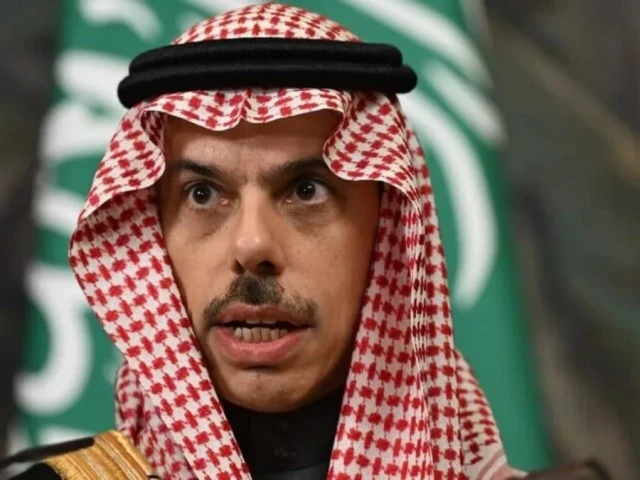
“Saudi Foreign Minister Prince Faisal bin Farhan on Sunday said that the kingdom would not accept any threat to its security, warning that continued escalation in the region risks widening the confront…”
In an address to the BRICS summit in the Indian capital New Delhi, Saudi FM Farhan expressed the kingdom’s appreciation for the invitation to participate in the summit, -run. Al Ekhbariyatelevision. “The Kingdom’s security is not open to compromise,” he said.
He also warned that “continued escalation in the region is widening the scope of the confrontation.”وزير الخارجية السعودي: أمن المملكة وسلامة أراضيها أمر لا يقبل المساسpic.twitter.com/e. ZvXlp.
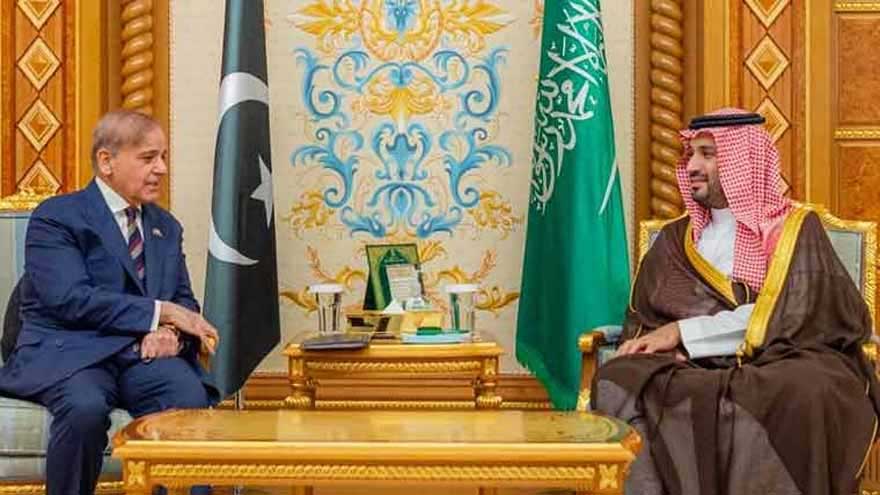
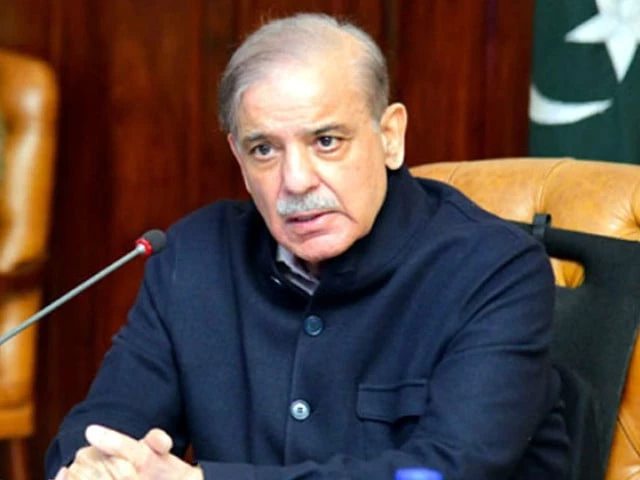
Qpaw— صحيفة الشرق الأوسط (@aawsat_News)September 13, 2026Read:PM Shehbaz condemns Houthi attacks, vows efforts to defuse regional tensions in call with MBSEarlier, Prime Minister Shehbaz Sharif condemned recent Houthi attacks on Saudi Arabia’s civilian and economic infrastructure and vowed to continue efforts to defuse regional tensions and promote peace during a telephone call with Saudi Crown Prince Mohammed Bin Salman (MBS).
"Stay connected with Aman-e-Pakistan for ongoing live reporting and verified investigative updates."
's Office (PMO), PM Shehbaz and Saudi Crown Prince MBS held a telephonic conversation. "During their warm and most cordial conversation, the prime minister reiterated Pakistan’s strong condemnation of the recent attacks by Houthis on Saudi Arabia’s civilian and economic infrastructure," it said.
Telephone Call between the Prime Minister and Saudi Crown Prince His Royal Highness Prince Mohammed bin Salman. Prime Minister Muhammad Shehbaz Sharif held a telephonic conversation with His Royal Highness Prince Mohammed bin Salman bin Abdulaziz Al Saud, Crown Prince & Prime…pic.twitter.com/bHABfUVh.
Bu— Prime Minister's Office (@PakPMO)September 13, 2026The telephone conversation came amid rising tensions in the Middle East, as a day earlier Saudi Arabia had shut down its East-West Pipeline after the vital oil conduit came under aerial attack amid the widening regional conflict. Read More:Pakistan condemns attacks on Saudi oil pipeline.
The recent waves of escalation started after Houthisattackedthe southern Saudi cities of Abha, Khamis Mushait, Jazan and Najran, injuring 73 people. In response, Saudi-led coalition aircraft carried out several airstrikes on Yemen’s western Al-Hudaydah province.
The statement by the PMO said that PM Shehbaz expressed "complete solidarity" with the Saudi leadership as well as the "brotherly people of Saudi Arabia" and stated that the recent Houthi actions threatened regional peace and security and could further disrupt the global economy and energy supplies.
"The prime minister added that he, along with the Chief of Defence Forces (CDF) and Chief of Army Staff, Field Marshal Asim Munir and Deputy Prime Minister Ishaq Dar, will continue their efforts to defuse tensions and bring peace to the region," it added. The latest attacks were not the first time the Houthis had targeted Saudi Arabia’s energy interests.
On 23 July, the group said it hadstruck two Saudi oil tankersin what it described as part of a naval blockade against the kingdom. The Houthis control areas near the Bab el-Mandeb Strait, one of the world’s key shipping routes linking the Red Sea with the Gulf of Aden, giving the group the ability to threaten vital maritime traffic.
The recent Houthi attacks came at a time when Pakistan, Saudi Arabia and Turkiye had justformalisedtheir longstanding strategic ties through the signing of the “Makkah Joint Defence Agreement”, a trilateral security framework that its proponents describe as a defensive arrangement aimed at strengthening collective deterrence, enhancing military cooperation and promoting regional stability.
The agreement, signed during the Makkah Al-Mukarramah Summit for Joint Defence, has prompted comparisons with military alliances such as NATO. However,, the pact is intended to formalise decades of existing strategic cooperation rather than create a new military bloc or offensive alliance.
Continue Reading: More in International
Swipe or click arrows to explore International desk coverage
 International
inde Navarrette thought she 'bombed' her Obsession audition before landing the lead role
 International