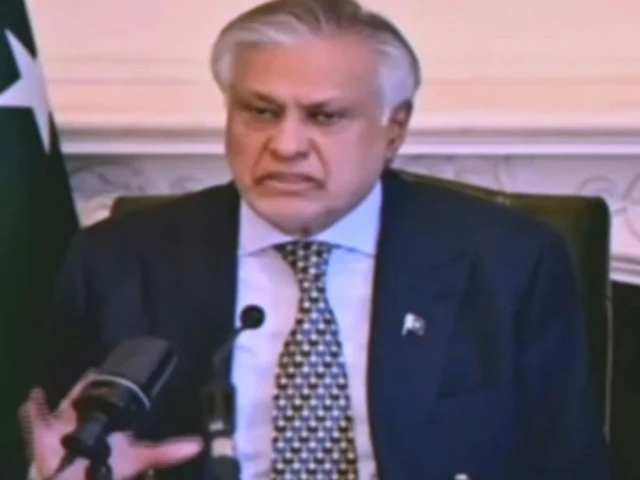
Iran seeks deal with US, not war: Pezeshkian
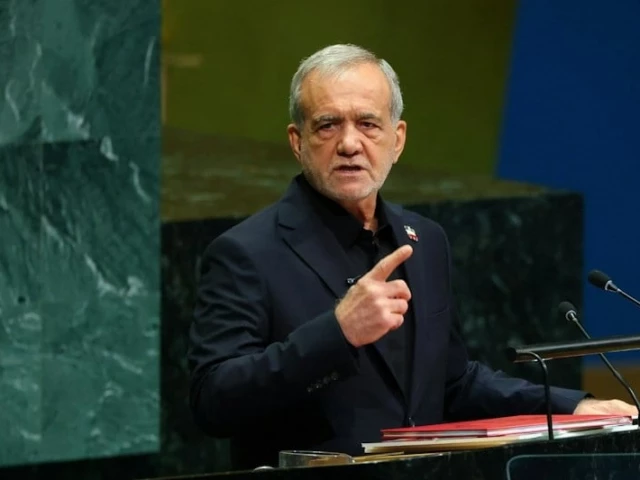
“Iran does not seek war with the US and remains prepared to pursue a negotiated agreement, President Masoud Pezeshkian said late on Thursday as tensions between the two countries continue. In an exclusi…”
In an exclusive interview with. Fox News'Bret Baier, Pezeshkian was asked if Iran was choosing war or a deal. “We do not choose war.
The war was imposed on us. We do not seek war,” Pezeshkian said. "So is Iran choosing war or a deal?
"@Bret. Baierpresses Iranian President Masoud Pezeshkian in an exclusive@Special. Reportinterview as U.S.-Iran negotiations continue amid heightened tensions.
"Stay connected with Aman-e-Pakistan for ongoing live reporting and verified investigative updates."
"We do not choose war. The war was imposed on us. We do not seek war," Pezeshkian…pic.twitter.com/CIus.
Xvk. RyY— Fox News (@Fox. News)September 24, 2026He said Iran remains willing to move forward with an agreement with Washington, referring to the June memorandum that called for a final peace deal within 60 days but collapsed due to differences over navigation in the Strait of Hormuz.
“We did reach an agreement with your president (Donald Trump),” he said. “Based on that, we are willing and still wish to move forward.”The Iranian president said it is America that must choose whether it wants to end the war or not.
Asked whether Iran would give up it's 60% enriched uranium, Pezeshkian the country would comply with its obligations under international law and the Nuclear Non-Proliferation Treaty. "Do you want a nuclear bomb or not? "@Bret.
Baiercuts to the chase in an exclusive interview with Iranian President Masoud Pezeshkian, directly questioning the leader about his country's nuclear ambitions. "Not at all. Not at all," Pezeshkian responds, insisting Iran does not…pic.twitter.com/jkFEyi9r.
Wd— Fox News (@Fox. News)September 24, 2026“Yes,” he said. “Within the framework of international law, based on the Non-Proliferation Treaty, whatever we are supposed to adhere to, we will.”Pezeshkian also rejected the suggestion that Iran had closed the Strait of Hormuz, a strategically important waterway through which a fifth of world's oil passed before the war.
Baier questioned Pezeshkian about Supreme Leader Ayatollah Mojtaba Khamenei, who has not been seen publicly since replacing his father, Ali Khamenei, killed in US-Israeli strikes in late February. Pezeshkian said he met Khamenei in person almost a month earlier, and spent about seven hours with him.
EXCLUSIVE —@Bret. Baiergrills the Iranian president on where the Supreme Leader is after not being seen in public in months and whether he is in good health:BAIER: "You saw him in person a month ago? "PEZESHKIAN: "Yes.
"BAIER: "And is he healthy? Is he able to govern? "…pic.twitter.com/o.
NpHSz. BiSO— Fox News (@Fox. News)September 24, 2026Asked whether the supreme leader was healthy and able to govern, Pezeshkian responded: “Very much so, completely.”Allies unite behind Saudi Arabia as Houthis step up attacks.
Saudi Arabia, Turkey and Pakistan will hold an urgent, high-level meeting under a joint defence pact to discuss ways to support the kingdom amid attacks by Yemen's Houthis, while Tehran seeks to distance itself from the rapid advance of its Houthi allies.
The Houthis have launched strikes on the Saudi-backed government in Yemen and repeatedly fired into Saudi Arabia, disrupting oil flows from the world's largest energy exporter, as part of a wider Middle East war that began with US and Israeli strikes on Iran in February.
The Houthis said they had fired dozens of missiles and drones at Saudi targets on Thursday, while authorities in Saudi Arabia said they had intercepted six ballistic missiles fired by Houthi fighters. Read:US and Iran discuss phased deal to reopen Hormuz and end US blockade, sources say.
Saudi Arabia earlier had issued emergency alerts for areas including the holy city of Makkah, Jeddah and Yanbu, the main Saudi Red Sea oil port.
Saudi Arabia's top religious authority called on soldiers in the kingdom to be ready to lay down their lives to fight the Houthis until the group is ousted from power, a statement posted on the Saudi state news agency said.
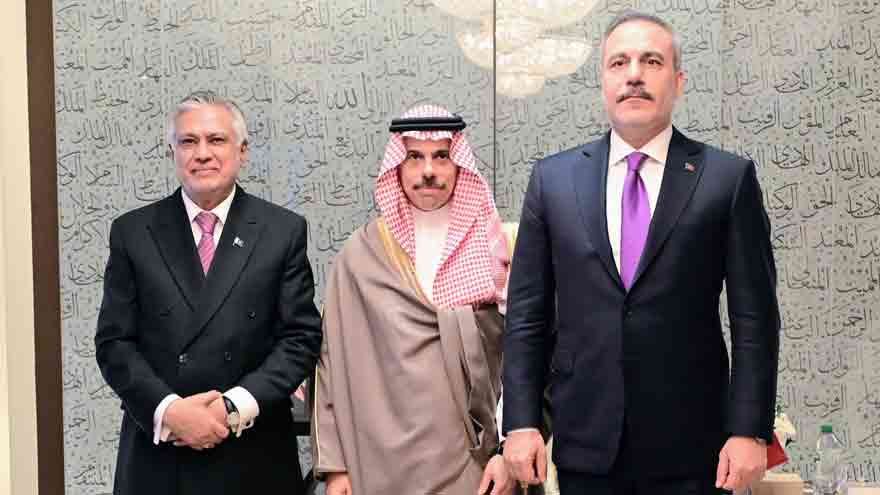
Amid the fighting, the Saudi, Pakistani and Turkish foreign ministers met within the framework of the Makkah Joint Defence Agreement, statement. They condemned the attacks targeting Makkah and other civilian sites, while affirming Saudi Arabia's right to defend itself, the statement said.
"The ministers also discussed arrangements for holding an urgent meeting of the chiefs of staff of the three countries to discuss ways to support Saudi Arabia under the Makkah Joint Defence Agreement, which stipulates that an attack against any one of the parties constitutes an attack against all parties," the statement said.
The meeting was announced shortly after Iranian President Masoud Pezeshkian sought to distance Iran from the Houthis in an American television interview on Thursday. "The Houthis are responsible for their own actions," Pezeshkian "Special Report with Bret Baier" a day after he appeared before the UN General Assembly in New York.
Iranian President Masoud Pezeshkian on Yemen:The Houthis are responsible for their own actions. They don't take direction from us. As those who are resisting in the region, based on the situations that have been imposed on them, we have contacts with them.
There is no…pic.twitter.com/Tr3cd. LoPZL— Clash Report (@clashreport)September 24, 2026The Pezeshkian interview and speech took place amid a pause in fighting between the US and Iran and a brief attempt at diplomacy in New York, with Qatar serving as an intermediary between the warring parties.
Iran’s Foreign Minister Abbas Araghchi Tehran had conveyed a proposal to the United States via intermediaries under which the Strait of Hormuz would be reopened if Tehran’s conditions were met. Under Iran’s proposal, hostilities would end on all fronts, including Lebanon, within seven days.
The United States would lift its blockade on Iranian ports, release Iran’s frozen funds and waive its oil sanctions, he said. “The Strait of Hormuz will be reopened on the last day,” Araghchi said, adding that talks with the United States on other issues, including Iran’s nuclear issue, would then start.
A senior Iranian official told. Reuterson Wednesday that Tehran was reviewing Washington's response to its peace proposals. The war, which US President Donald Trump launched alongside Israel in February, has killed thousands of civilians in Iran and Lebanon and disrupted global energy supplies, pushing up oil prices.
While the US and Iran have largely stood down from direct combat, Iranian allies are engaged in the region with Hezbollah confronting Israel in Lebanon and the Houthis advancing in Yemen. Iran and its allies have significantly pressured oil exports from Saudi Arabia, a US ally.
The Houthis have disrupted ship traffic at the mouth of the Red Sea while Iran has effectively limited tanker traffic at the Strait of Hormuz, the conduit for 20% of the world's oil exports before the start of the war. An attack by Iranian-backed militias in Iraq also temporarily knocked Saudi Arabia's East-West Pipeline out of service.
Security experts have debated exactly how much Iran directly influences the Houthis, a Shi'ite Islamist movement that evolved from a local insurgency into a powerful armed group controlling much of northern Yemen.
However, Yemeni government, Iranian and regional sources have said the Houthis' advance down Yemen's Red Sea coast was carried out with direct guidance from Iran's Islamic Revolutionary Guard Corps. Read more:Islamabad MoU remains acceptable to Iran, Pezeshkian tells PM Shehbaz in UNGA meet.
With the US-Israeli war against Iran largely stalemated for months on the battlefield, Washington has announced a shift in tactics to extend the reach of its financial sanctions by targeting companies from third countries that do business with Iranian firms, a practice known as "secondary sanctions".
Iranian airlines were barred from neighbouring countries including the UAE and Oman on Thursday in response to new US sanctions, the first big impact of a shift in US policy to target companies in third countries that do business with Iran.
A flight ban, if sustained, could deepen Iran's isolation and worsen an economic crisis in the country, which is already facing a US blockade of its ports at sea. "We are living in an open-air prison," a retired teacher in Tehran told.
Reutersby text message on condition her name not be used.
Continue Reading: More in International
Swipe or click arrows to explore International desk coverage