Japanese researchers develop AI system to detect marine plastic waste
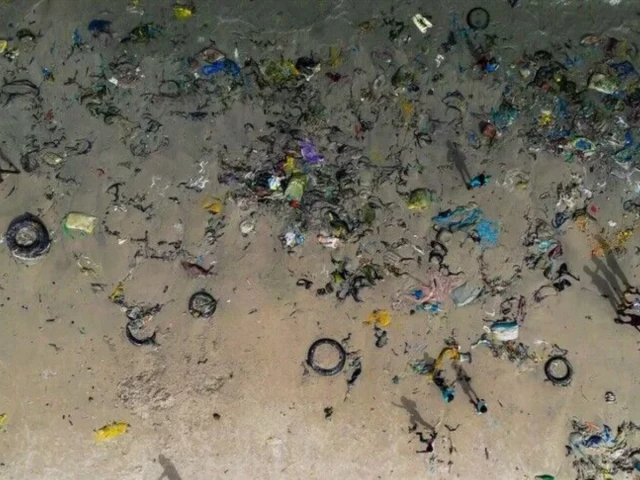
“Japanese researchers have developed an artificial intelligence system to better detect marine plastic waste on the seabed,. Researchers at the Japan Agency for Marine-Earth Science and Technology devel…”
The system is expected to be used for real-time monitoring of marine plastic waste. Researchers created a dataset of about 12,000 images based on seabed footage captured by the agency since 1983. The images featured small litter objects as well as non-litter objects, such as rocks and marine creatures, that can easily be mistaken for waste.
Read:OpenAI calls for sweeping economic reforms amid rapid growth of artificial intelligence. They trained the system using various patterns, including blurring and image inversion, to reduce false detections. While much of the plastic waste that enters the sea sinks to the seabed, accurately detecting it remains difficult.
"We can quickly identify areas where large amounts of waste accumulate and use this information to implement countermeasures," said Ryota Nakajima, a biological oceanographer on the research team. During tests using actual footage, the system identified the type and quantity of litter even when objects appeared as small as 5% to 10% of the image width.
"Stay connected with Aman-e-Pakistan for ongoing live reporting and verified investigative updates."
It successfully detected 80% of major litter items, including plastic bottles and polythene bags, while the margin of error compared with visual inspections by experts was about 10%.
Continue Reading: More in Tech
Swipe or click arrows to explore Tech desk coverage