AI-generated false intelligence nearly triggered US operation against Chinese ship: report
“The US military came close to intercepting and boarding a Chinese ship in the Middle East after an intelligence report falsely claimed the vessel was carrying components linked to a nuclear weapons pr…”
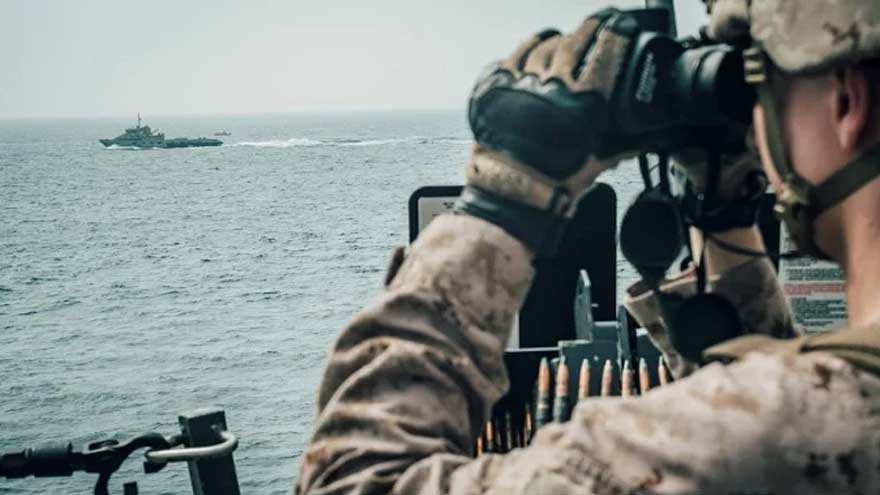
The report was circulated across the US military this spring during the war with Iran, prompting preparations for an operation against the vessel. Armed US personnel were reportedly preparing to board the ship while military aircraft were already in the air.
Officials only discovered shortly before the planned operation that the intelligence had been produced with the help of an artificial intelligence chatbot and contained a critical error in identifying the ship's cargo. 's sources, a special operations command analyst had used the chatbot to assess intelligence from the vessel's manifest.
The AI system combined publicly available information with classified signals intelligence and incorrectly concluded that the ship was carrying material associated with a nuclear weapons programme. The analyst then used AI again to turn the findings into a standard intelligence report, which was circulated within the military.
"Stay connected with Aman-e-Pakistan for ongoing live reporting and verified investigative updates."
The report was later described by one source as 'entirely false' and as an error that 'almost started a war'. The episode highlights the risks of rapidly integrating AI into military and intelligence operations, particularly when automated systems are used to support decisions involving potential military action.
US defence and intelligence agencies are increasingly using AI to process large volumes of intelligence, assist with targeting and speed up battlefield decisions. Officials have argued that the technology is necessary to keep pace with potential adversaries such as China.
But the Chinese ship incident illustrates the consequences of inaccurate AI-generated information reaching decision-makers during a conflict. A US operation against a Chinese vessel could have risked escalating tensions between Washington and Beijing. The chatbot used by the analyst was not identified, and it was unclear whether it was a commercial system or a US government-developed tool.
The Pentagon and US Special Operations Command Pacific did not respond to CNN's requests for comment.-related errors have occurred elsewhere in the intelligence community as the technology has spread. They also warned that pressure to produce intelligence faster could increase the risk of analysts accepting AI-generated conclusions without sufficient verification.
Continue Reading: More in Tech
Swipe or click arrows to explore Tech desk coverage