Bilawal Bhutto Zardari calls for parliamentary strengthening and committee participation
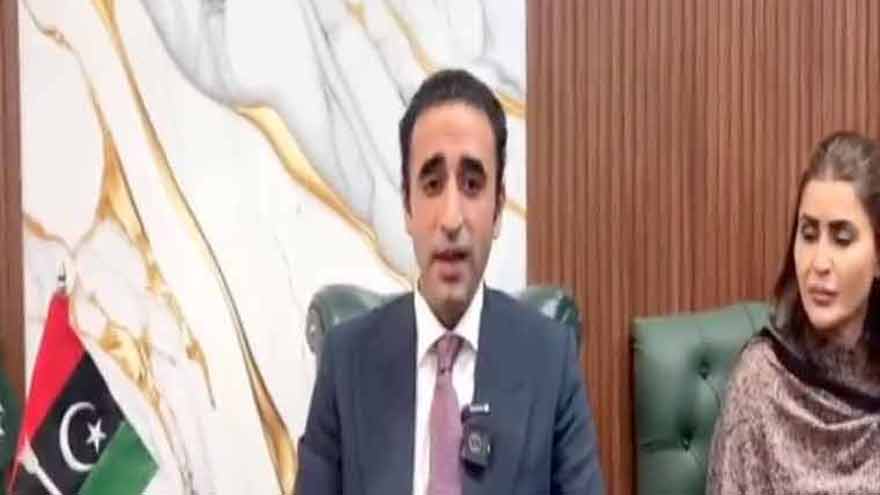
“Pakistan Peoples Party (PPP) Chairman Bilawal Bhutto Zardari has issued a formal call for the strengthening of the national legislature, emphasizing that the institution must be empowered to effective…”
Speaking to the media in Islamabad, the PPP leader underscored that the fundamental prerequisite for a respected and functional Parliament is the active operation of its standing committees. These committees serve as the primary engines for legislative scrutiny and policy development, and their current state of inactivity remains a significant hurdle to effective governance.
Bilawal urged opposition parties to reconsider their current stance and return to these committees, arguing that their participation is essential for meaningful reform. By engaging within the established parliamentary framework, he suggested, political parties can contribute to a more robust and transparent legislative environment.
The PPP chairman noted that his party has historically maintained a consistent commitment to electoral reforms, positioning itself as a proactive participant in the democratic evolution of the country.
"Stay connected with Aman-e-Pakistan for ongoing live reporting and verified investigative updates."
He highlighted that the current political climate is marked by widespread dissatisfaction with existing electoral mechanisms, noting that grievances are being voiced not only by the opposition but also by government allies and even members of the federal cabinet. This shared sense of concern, he argued, creates a unique opportunity for a collective, cross-party effort to address systemic flaws.
According to Bilawal, the most viable path forward for implementing necessary electoral changes is through the collaborative environment of the standing committees, where stakeholders can deliberate on objections and forge consensus.
He stressed that all political actors bear a collective responsibility to address these electoral grievances, as the stability of the democratic process depends on the public’s confidence in the fairness of the system. The PPP chairman’s remarks come at a time when the political landscape is navigating complex debates regarding governance and administrative restructuring.
Beyond the immediate focus on parliamentary committees, Bilawal also addressed the sensitive and ongoing discourse surrounding the creation of new provinces. He clarified that the PPP’s stance on this issue is rooted in the principle of public consensus, asserting that the party will not support the imposition of any administrative changes by force.
Regarding the specific case of South Punjab, he acknowledged that a broad consensus already exists, which facilitates the path toward potential administrative reform. However, he maintained a more cautious approach concerning the creation of new provinces in Sindh, reiterating that in the absence of a clear and widespread consensus, the status quo should be maintained.
He emphasized that the party remains committed to standing with the people’s opinion, ensuring that any major administrative shifts are reflective of the will of the populace rather than top-down mandates.
By advocating for both the functional revitalization of parliamentary committees and a consensus-based approach to provincial administration, the PPP chairman is attempting to steer the national conversation toward institutional stability and democratic maturity. His call for the opposition to return to the negotiating table reflects a broader strategy of seeking political reconciliation to navigate the current legislative gridlock.
As the country faces mounting pressure to reform its electoral and administrative structures, the emphasis on parliamentary participation serves as a reminder of the critical role that legislative institutions play in maintaining the integrity of the state.
The effectiveness of these reforms will likely depend on the willingness of all political factions to prioritize institutional functionality over partisan maneuvering, a challenge that remains at the heart of Pakistan’s current political discourse.
Written by Sara Ali
Aman-e-Pakistan Senior Journalist & Bureau Reporter
Continue Reading: More in National
Swipe or click arrows to explore National desk coverage