Government adjusts fuel prices upward as global market volatility persists
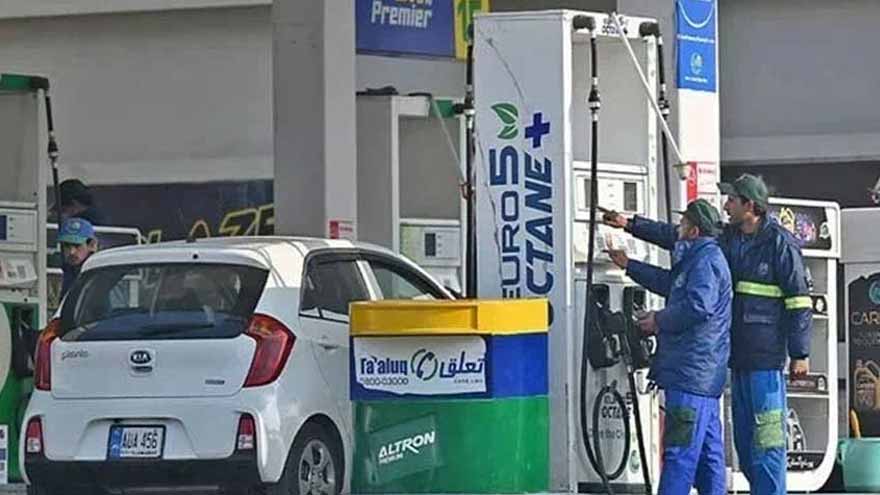
“The federal government has announced a fresh upward adjustment in the retail prices of essential petroleum products, citing the ongoing volatility within international energy markets. According to an …”
According to an official notification released on August 19, the price of petrol has been increased by Rs3.34 per litre, bringing the new rate to Rs334.54 per litre. Simultaneously, the cost of high-speed diesel (HSD) has seen a more significant hike of Rs5.27 per litre, setting the new price at Rs395.69 per litre.
Furthermore, the government has raised the price of kerosene oil by Rs4.22 per litre, which now stands at Rs300.85 per litre. These revised rates are effective immediately as part of the administration's commitment to aligning domestic fuel costs with the fluctuating trends observed in the global oil sector.
The Oil and Gas Regulatory Authority (Ogra) has been tasked with the implementation of these changes, continuing its recent transition toward a daily fuel pricing mechanism. This shift is intended to enhance transparency and ensure that shifts in global oil benchmarks are reflected in local market prices with greater speed and efficiency.
"Stay connected with Aman-e-Pakistan for ongoing live reporting and verified investigative updates."
Petroleum Minister Ali Pervaiz Malik explained that these daily price calculations are derived from a seven-day rolling average of international market prices, a methodology he noted is consistent with standard international practices. The minister emphasized that this systematic approach is designed to mitigate the impact of sudden price shocks while maintaining a responsive pricing structure for the domestic consumer base.
The necessity for these frequent adjustments is largely attributed to the persistent instability in global oil markets, which has been exacerbated by renewed geopolitical tensions in the Middle East. The government’s decision to move from the traditional fortnightly review cycle to a more frequent, weekly or daily assessment, follows the escalation of regional conflicts that began on February 28.
This period of instability was triggered when military actions involving Israel, the United States, and Iran led to the closure of the Strait of Hormuz. As a critical maritime corridor, the Strait of Hormuz facilitates the transit of approximately one-fifth of the world's total energy supplies, making any disruption in the area a primary driver of global price surges.
The situation has remained precarious throughout the summer, particularly following the collapse of a fragile truce between Tehran and Washington in June. This breakdown in diplomatic efforts has heightened international concerns regarding the potential for a broader regional conflict, which could lead to sustained and severe disruptions in the flow of energy resources through the strategic waterway.
For the domestic economy, these price adjustments represent the latest in a series of fiscal responses to external pressures that remain largely outside the control of national policymakers.
As the government continues to navigate these challenges, the focus remains on balancing the need for fiscal stability with the economic realities faced by citizens who rely on these fuels for transportation, agriculture, and industrial operations.
The administration maintains that the current pricing model is the most viable path to managing the risks associated with the unpredictable nature of the global energy landscape, ensuring that the supply chain remains functional even as international market conditions continue to fluctuate under the weight of geopolitical uncertainty.
Written by Saba Qamar
Aman-e-Pakistan Senior Journalist & Bureau Reporter
Continue Reading: More in National
Swipe or click arrows to explore National desk coverage