LHC halts delimitation notification for Multan union councils
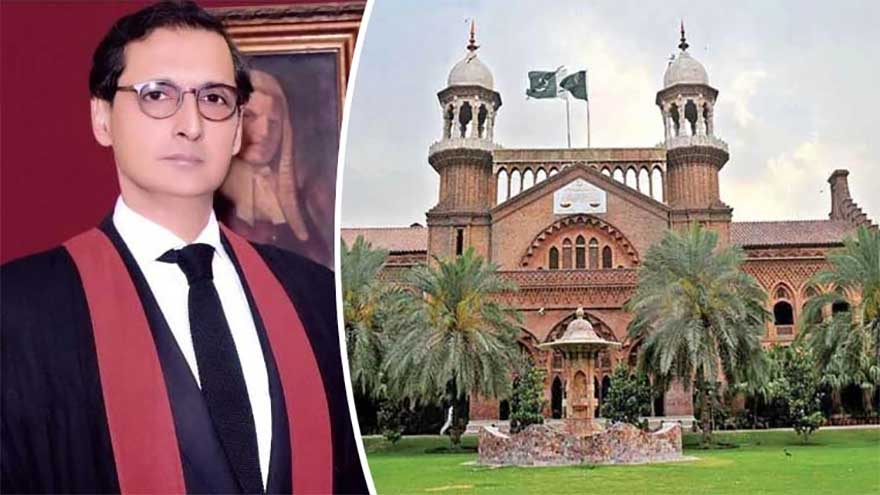
“The Lahore High Court has issued a formal stay order preventing the issuance of a final notification regarding the delimitation of Union Councils 3 and 4 in Multan, a move that directly impacts the on…”
Justice Jawad Hassan, presiding over the case, delivered a comprehensive six-page verdict that underscores the critical importance of maintaining procedural integrity and transparency when defining electoral boundaries. The court's intervention follows a petition submitted by Muhammad Nadeem, who challenged the administrative actions taken by the Regional Election Commissioner and the designated Delimitation Authority in Multan.
According to the petitioner, the authorities had improperly accepted objections to the initial delimitation plans after the legally mandated deadline had already passed, leading to unauthorized alterations of the constituency boundaries. This procedural irregularity, the petitioner argued, compromised the fairness of the electoral process and necessitated judicial oversight to ensure that the rights of the voters remain protected.
In his ruling, Justice Jawad Hassan articulated that the process of delimitation is far more than a technical exercise of mapping geographical areas; rather, it is a foundational element of democratic governance that serves to safeguard the fundamental right to vote.
"Stay connected with Aman-e-Pakistan for ongoing live reporting and verified investigative updates."
The court emphasized that any deviation from established legal frameworks or the introduction of arbitrary changes threatens the core principles of electoral transparency. Justice Hassan further detailed the specific criteria that must govern the delimitation process, noting that authorities are obligated to prioritize factors such as population distribution, geographical compactness, administrative boundaries, existing transportation infrastructure, and overall public convenience.
The court issued a stern warning against the potential for bias or political influence to infiltrate the boundary-drawing process, highlighting that any resulting inequality in the value of individual votes would fundamentally undermine the integrity of the entire electoral system.
By allowing for such discrepancies, the court noted, the democratic process risks losing its representative character, which is why strict adherence to impartial standards is non-negotiable.
As a direct consequence of this ruling, the Lahore High Court has issued formal notices to the Election Commission of Pakistan and other relevant stakeholders, requiring them to provide a detailed clarification regarding the disputed delimitation process.
These parties are expected to appear before the court on August 25 to address the concerns raised by the petitioner and the observations made by the bench. Until the court reaches a final determination on the matter, the gazette notification for the affected Union Councils remains suspended.
This judicial action serves as a significant check on the administrative machinery responsible for organizing local polls, reinforcing the judiciary's role in ensuring that electoral preparations in Punjab proceed in strict accordance with the law.
The case highlights the ongoing complexities involved in preparing for local body elections, where the precise definition of constituency boundaries often becomes a point of contention among stakeholders. By intervening at this stage, the court aims to prevent potential disenfranchisement and ensure that the final delimitation reflects a fair and objective assessment of the region's demographic and administrative realities.
The upcoming hearing on August 25 is expected to provide further clarity on how the Election Commission intends to rectify the procedural lapses identified by the court and whether the current delimitation schedule will require further adjustments to accommodate the legal requirements set forth by Justice Hassan.
For now, the suspension of the notification ensures that no final steps are taken regarding the contested boundaries until the legal challenges have been thoroughly addressed in a court of law, thereby maintaining the status quo for the residents and political actors within the affected areas of Multan.
Written by Ali Khan
Aman-e-Pakistan Senior Journalist & Bureau Reporter
Continue Reading: More in National
Swipe or click arrows to explore National desk coverage