Prime Minister Shehbaz Sharif orders negotiations with refineries to lower diesel prices
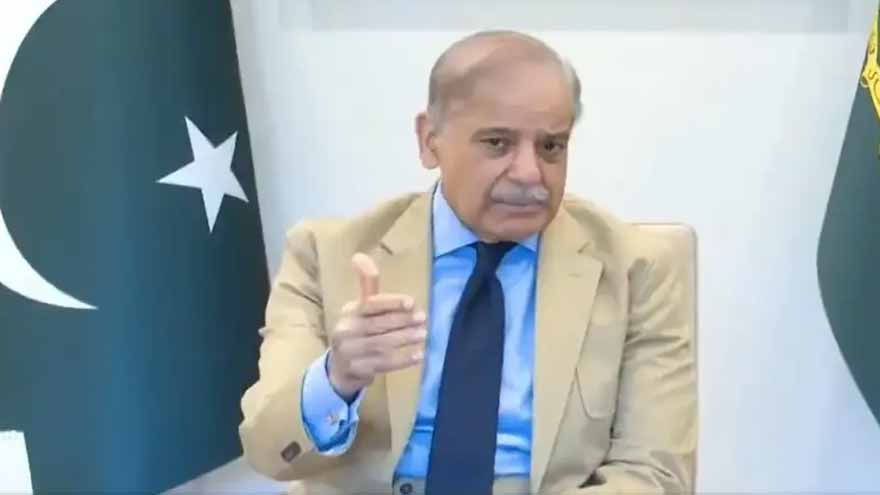
“Prime Minister Shehbaz Sharif has formally directed Petroleum Minister Ali Pervaiz Malik to initiate immediate negotiations with domestic oil refineries in a strategic move aimed at reducing the retai…”
The directive, issued on Wednesday during a high-level meeting at the Prime Minister’s Office in Islamabad, mandates that the Petroleum Minister travel to Karachi to personally oversee discussions with refinery representatives.
The primary objective of these talks is to secure a tangible reduction in the cost of locally produced diesel, thereby providing much-needed financial relief to the public amidst ongoing economic challenges.
The Prime Minister emphasized that since a significant portion of the nation's diesel supply is refined domestically, there is a clear opportunity to leverage local production capabilities to lower costs. By engaging directly with the refinery sector, the government aims to identify and implement necessary measures that can translate into lower prices at the pump.
"Stay connected with Aman-e-Pakistan for ongoing live reporting and verified investigative updates."
The meeting, which underscored the urgency of the matter, was attended by several key government figures, including Minister for Information and Broadcasting Attaullah Tarar, Minister for Economic Affairs Ahad Khan Cheema, Minister for Climate Change Dr. Musadik Malik, and MNA Hamza Shehbaz.
During the session, the Prime Minister reiterated that the government's priority is to ensure that the benefits of domestic production are passed on to the end-users. The Prime Minister’s Office stated that the Petroleum Minister has been tasked with completing these negotiations at the earliest possible opportunity to ensure that the relief measures are enacted without delay.
The government's focus on diesel prices is particularly significant given the fuel's critical role in the country's transportation, agriculture, and industrial sectors. High diesel costs often have a cascading effect on the prices of essential commodities, as transportation expenses are a major component of the supply chain.
By targeting the refinery stage of the production process, the administration is attempting to address the root cause of price volatility. This initiative reflects a broader government strategy to manage inflation and stabilize the cost of living for the average citizen.
The directive to the Petroleum Minister is a clear signal that the executive branch is actively seeking ways to mitigate the impact of global energy market fluctuations by optimizing domestic resources. As the Petroleum Minister prepares to head to Karachi, the focus remains on the outcome of these high-stakes negotiations.
The government has expressed its commitment to providing the maximum possible immediate relief to the people, and the success of this mission will depend on the cooperation of the refinery sector in aligning their pricing structures with the government's objective of public welfare.
The administration expects that these discussions will yield a concrete plan that can be implemented swiftly to alleviate the burden on consumers who rely heavily on diesel for their daily operations and livelihoods.
This move marks a proactive step in the government's ongoing efforts to manage the national economy and respond to the concerns of the public regarding the rising cost of fuel.
Written by Ali Khan
Aman-e-Pakistan Senior Journalist & Bureau Reporter
Continue Reading: More in National
Swipe or click arrows to explore National desk coverage