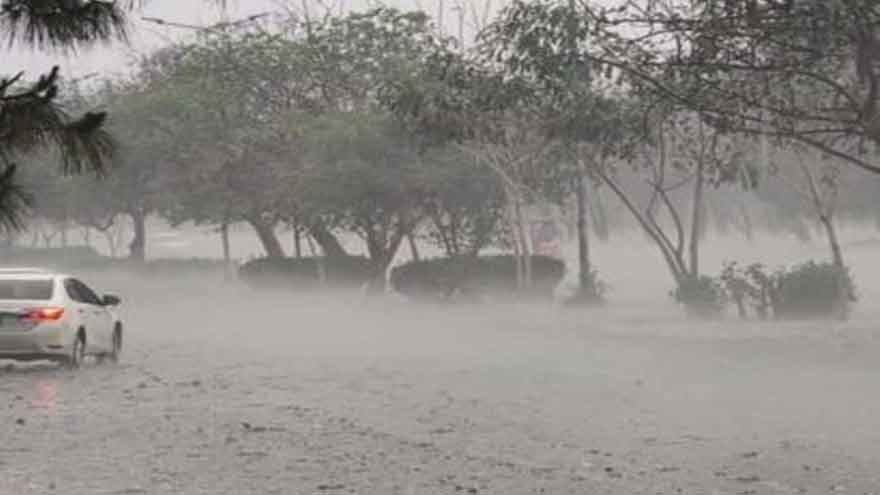
Authorities declare rain emergency in Rawalpindi and Islamabad following heavy downpours
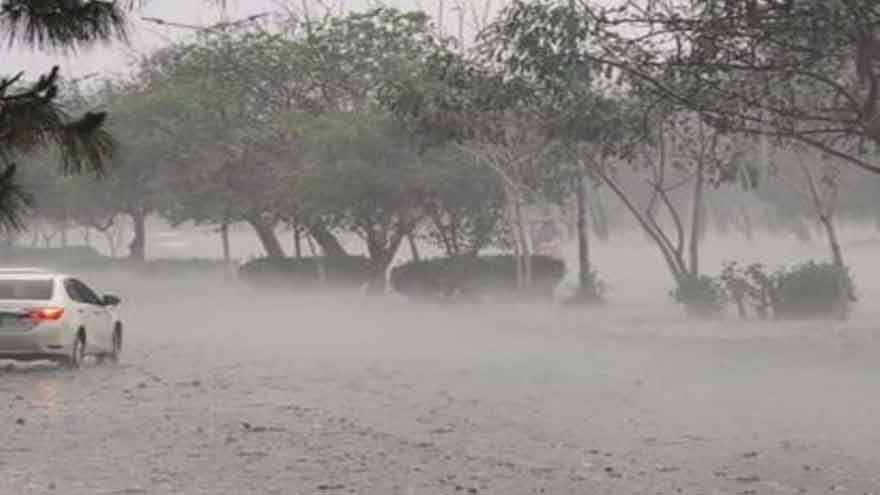
“Heavy rainfall lashed the twin cities of Rawalpindi and Islamabad on Tuesday, forcing local authorities to declare a formal rain emergency as the region braces for potential flooding and weather-relat…”
The intense precipitation has significantly increased water levels in critical drainage channels, prompting an immediate mobilization of emergency response teams and heavy machinery across vulnerable urban sectors.
According to the Managing Director of the Water and Sanitation Agency (WASA), the water level in Nullah Lai, the primary drainage artery for the area, reached 10.5 feet at the Katarian station and 8.5 feet at Gawalmandi.
These measurements indicate a rapid accumulation of runoff, necessitating constant monitoring by officials who remain stationed at key points along the waterway to track further fluctuations. The intensity of the weather system was most pronounced in Shamsabad, which recorded the highest rainfall in Rawalpindi at 116 millimetres.
"Stay connected with Aman-e-Pakistan for ongoing live reporting and verified investigative updates."
This significant volume of water has overwhelmed local drainage systems, leading to the deployment of specialized WASA teams tasked with preventing widespread water accumulation and mitigating the risk of urban flooding.
To ensure a rapid response to potential emergencies, authorities have strategically positioned heavy machinery at critical infrastructure points, including Liaquat Bagh, the Committee Chowk underpass, and various low-lying stretches along the busy Murree Road corridor. These locations are historically prone to waterlogging, which often disrupts traffic flow and poses risks to public safety during monsoon events.
Beyond the main thoroughfares, municipal teams have also been dispatched to vulnerable residential and commercial areas, including Dhok Khabba, Circular Road, and Sadiqabad. The presence of heavy equipment in these zones is intended to facilitate immediate drainage operations and clear obstructions that might impede the flow of rainwater.
Field teams have been directed to maintain a state of high alert as the rain continues to fall across the region, with officials emphasizing that the emergency status will remain in effect until the threat of flooding subsides.
The administration is currently coordinating efforts to ensure that all low-lying areas are monitored around the clock, with personnel prepared to intervene if water levels in Nullah Lai or other drainage points reach dangerous thresholds.
Residents in these areas are being advised to exercise caution as the weather remains volatile, with the ongoing emergency measures reflecting a proactive approach to managing the risks associated with the current meteorological conditions.
The deployment of resources is part of a broader strategy to minimize the impact of the heavy downpour on the city's infrastructure and to protect citizens from the hazards typically associated with seasonal flooding in the twin cities.
As the situation evolves, the focus remains on maintaining the functionality of drainage systems and ensuring that emergency responders can access affected areas without delay.
The authorities have confirmed that they are maintaining constant communication with meteorological experts to anticipate further changes in the weather pattern, ensuring that the response remains agile and data-driven throughout the duration of the emergency period.
Written by Iqra Aziz
Aman-e-Pakistan Senior Journalist & Bureau Reporter
Continue Reading: More in National
Swipe or click arrows to explore National desk coverage