HPV drive set to confront endemic vaccine hesitancy
“As Khyber-Pakhtunkhwa (K-P) prepares to launch its first province-wide vaccination campaign against cervical cancer, health authorities face a challenge that goes beyond arranging doses and vaccinatio…”
Cervical cancer is primarily caused by persistent infection with the human papillomavirus (HPV), a virus transmitted through sexual contact. Globally, the disease claims more than 350,000 lives annually, while in Pakistan, more than 5,000 new cases and over 3,000 deaths are estimated each year, making vaccination and early detection crucial.
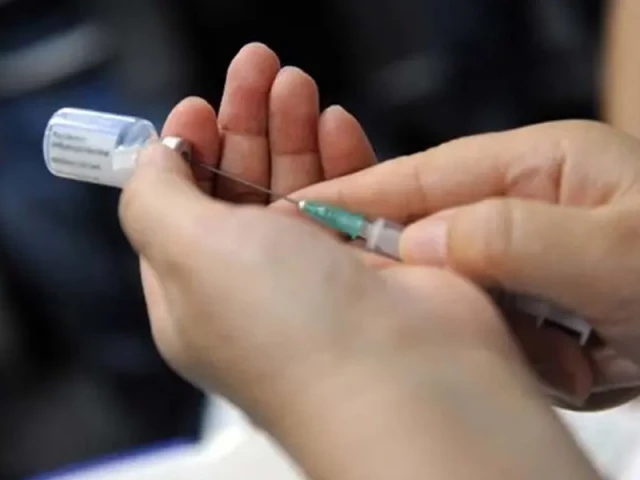
A year after its launch in Punjab and Sindh, the HPV vaccination campaign is now set to reach K-P, where the Health Department plans to vaccinate around 2.9 million girls aged nine to 14 - including 1.6 million school-going and 1.3 million out-of-school girls - between November 2 and November 14.
However, health officials and experts acknowledge that reaching every eligible girl will require more than vaccination teams and vaccine doses. Winning the confidence of parents and communities, addressing misinformation and overcoming vaccine hesitancy will be critical to the success of the campaign.
"Stay connected with Aman-e-Pakistan for ongoing live reporting and verified investigative updates."
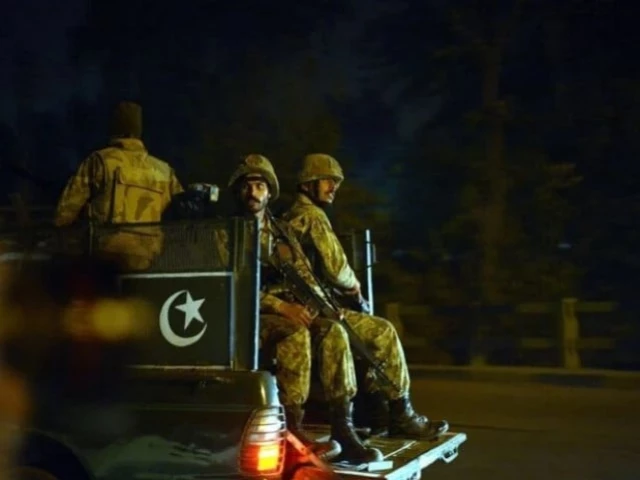
This is particularly pertinent in K-P where vaccine hesitancy has assumed an endemic status among the local population given the controversial history of the polio campaign and its links to CIA missions. Even today, K-P continues to record a significant number of refusals during polio campaigns, while vaccination workers have also faced security threats in several areas.
Despite these concerns, not all parents are hesitant about the campaign. While some remain wary of the vaccine's safety and possible reactions, others, particularly those who have witnessed the devastating effects of cervical cancer, see vaccination as an important safeguard for their daughters.
Bashir Khan, who lost his wife to cervical cancer, said he intended to have both his daughters vaccinated. "Losing my wife has made me particularly conscious of the importance of prevention. Parents should understand the importance of protecting their children from a disease that can have devastating consequences," urged Khan.
Conversely, Shamaila Bibi, another parent, was concerned about whether vaccination teams would be properly trained and whether the vaccine could cause reactions among girls. "The problem here is that people often become suspicious even about something positive.
If, God forbid, something happens to a girl after vaccination, no parent would want to vaccinate their daughter," she said. Health experts say such concerns need to be addressed through direct communication rather than allowing rumours to fill the information gap.
Dr Bawar Shah, president of the Pakistan Paediatric Association's Khyber-Pakhtunkhwa chapter, the HPV vaccine was safe and had been administered in countries around the world. "Cervical cancer is increasing rapidly in Pakistan and vaccination offers an important means of preventing the disease.
If parents have any questions or concerns, they should discuss them with the Health Department's vaccination teams and seek clarification," said Dr Shah.
Asad Zia, Assistant Director of the Expanded Programme on Immunization (EPI) and in-charge of the Social and Behavior Change (SBC) Cell at the Directorate General Health Services (DGHS) K-P, said awareness campaigns were being conducted in schools, mosques and communities to educate parents about cervical cancer and the HPV vaccine.
Zia claimed health teams were also visiting areas where people had concerns about the campaign. In a recent visit to remote Kurram district, officials met religious scholars, community leaders and residents to address their questions and misconceptions about the vaccine.
When combining the entrenched public mistrust around vaccines with the tabooed nature of female reproductive issues, it is not hard to imagine that convincing families to vaccinate their teenage daughters will spark varying levels of backlash among locals.
Continue Reading: More in National
Swipe or click arrows to explore National desk coverage