A decade after mercury ban, toxic skin bleachers still offered on top retailers' websites
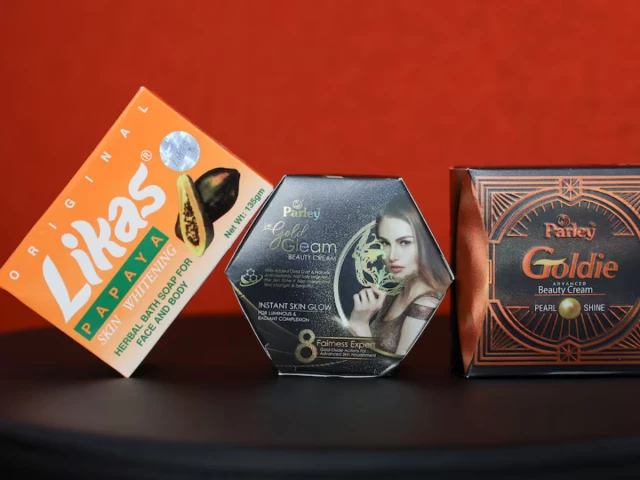
“More than 20 banned skin-bleaching products containing mercury are available for purchase on third-party marketplaces run by Amazon, Temu and Tik. Tok Shop in several countries, despite decades of effor…”
Tok Shop in several countries, despite decades of efforts by health advocates and regulators to prevent their sale, a. Reutersreview of publicly available information found. Regulators, companies and multinational entities have for years tried to coordinate efforts to take these products off shelves and websites.
More than 150 nations are parties to the 2013 Minamata Convention that banned the manufacture, import or sale of mercury-containing products, which, Health Organisation, can damage the kidneys, brain and nervous system. Skin brightening cosmetic products.
Photo/Reuters. But some sellers on e-commerce sites have become more sophisticated in their efforts to hide these products' origins and ingredients. Some products removed from websites are being re-listed under misleading names or by different sellers soon after, the.
"Stay connected with Aman-e-Pakistan for ongoing live reporting and verified investigative updates."
Reutersreview found. Reutersfound more than 20 products from banned lists available to customers on Amazon, Temu and Tik. Tok's US e-commerce platforms, as well as on Amazon's third-party marketplaces in France, India, the United Arab Emirates and Belgium, as of September 1.
None of the products lists mercury as an ingredient. Reuterscouldn't independently confirm the presence of the toxin. Despite mercury's toxicity, these products find buyers because of their swift effects.
Skin lightening is a multibillion-dollar industry, especially popular in Asia, Africa and the Caribbean, lawyers, academics and public health advocates noted. Faiza Whitening Soap packagings.
Photo/Reuters"Mercury gives you lightening effects within days, far faster than legal agents like kojic acid or arbutin," said Winston Morgan, professor of toxicology, equity and inclusive practice at the University of East London's School of Health, Sport and Bioscience. "Mercury is also relatively cheap, easy to formulate into creams and stable.
"A 2021 Boston University study found that skin-lightening products containing kojic acid, a legal cosmetic ingredient, cost an average of $24.89 an ounce, substantially more than the roughly $6.50 an ounce charged for mercury-containing products Reuters found for sale in the United States in mid-September.
The World Health Organisation says there is no known safe exposure level for mercury, while the US Food and Drug Administration (FDA) restricts total mercury to no more than 1 part per million in cosmetics. Many illegal products contain between 10 and 100,000 milligrams per litre,.
Reuterscould not independently confirm his figures, but British and US regulators, including the UK Office for Product Safety and Standards and the US FDA, have publicly reported products that have tested positive for those levels of mercury. Available for purchaseA London-based.
Reutersjournalist purchased several allegedly mercury-based products on Amazon's UK, French, Belgian and Indian websites, while a US-based. Reutersjournalist purchased Pakistani-made Parley Beauty Creams on Temu and Tik. Tok Shop, three brands of Mexican-made bleaching creams on Tik.
Tok Shop and bleaching soaps made in the Philippines on Amazon. None of the manufacturers responded to. Reutersrequests for comment.
When contacted by. Reuters, Amazon, Temu and Tik. Tok said they prohibit the sale of these specific products, saying they were taking steps to remove them from their websites and take action against their sellers.
As of September 1, most of these products were still listed on those websites. Amazon has proactive controls in place to maintain a safe and compliant store, including seller verification and mandatory compliance documentation or third-party lab testing prior to product listing, it said.
The e-commerce giant said it was refining those controls and suspending evasive sellers. Amazon also said it works with regulators, government agencies and others to update its lists of banned products as it enhances its controls.
Tik. Tok said it was removing products that violate its rules, which bar products that "aim to bleach, whiten, lighten, or reduce overall melanin in the skin. "Temu also said it would remove certain products after reviewing its listings.
"Appropriate action will be taken should a listing be found to violate any applicable laws and, consequently, our platform rules," it said.
An Amazon third-party seller in India had, as of early August, listed 'Beauty Brightening Cream' instead of 'Chandni' cream, one of the products flagged by the FDA, and blurred out the correct name of the product in its accompanying image. The cream's manufacturer, SJ Enterprises of Pakistan, did not respond to requests for comment.
Amazon did not comment on specific products listed on its sites. Challenges for platforms. Amazon has struggled to keep mercury-laden creams off its websites,.
It settled a lawsuit in California last year over the presence of those products on its US platform. The company's US website used to have far more skin-lightening products containing mercury, public health advocates said.
"Part of the problem is the business models of these platforms," said Rachel Doughty, an attorney at Greenfire Law, the firm that fought Amazon for a decade. "Their position for a long time was that they were just a platform and they weren't responsible for what third-party sellers posted on their websites.
" She added that the laws are "not well enforced by public agencies. "Amazon declined to comment on Doughty's view. Health regulators acknowledge the challenges of keeping mercury-laden products away from consumers.
The US FDA told. Reutersit "is very concerned about these and other fraudulent products, and removing them from the market remains one of the agency’s top priorities. " It added that the agency has sent warning letters to these manufacturers and distributors to stop these illegal sales.
Ingredients and other information on a packaging of Amaira Goree Beauty care face cream. Photo/Reuters"WHO is aware that mercury-added skin-lightening products continue to be sold through online and cross-border e-commerce platforms, which can make regulatory oversight and enforcement more challenging," a World Health Organisation spokesperson said, adding that more regulation and coordination between governments, sellers and others is needed.
There is some evidence of renewed regulatory efforts. On August 28, French authorities issued a recall notice warning consumers about a skin-bleaching cream called 'Advanced Beauty Cream - Pearl Shine - Parley Goldie' that. Reutersfound available in early August.
As of August 31, it was still available on Amazon's Belgian website. "Mercury is regularly identified in goods for skin lightening," French officials told. Reutersin an email, saying e-commerce platforms are required to withdraw such products from sale and recall them.
"Its presence is intentional and has the function of blocking the synthesis of melanin, the pigment that gives the skin colour. ""Products identified as non-compliant and unsafe are effectively reported to the platforms or companies concerned," they said.
The US FDA late last year contacted Michael Bender, co-coordinator of the Zero Mercury Working Group, in response to his outreach to them about mercury-containing products seven years earlier,. The agency requested Bender's expertise and a list of products available, including those that may have appeared "under different brand names or packaging.
" In May, the FDA published a list of skin-lightening creams that it said contain mercury, warning consumers against buying them.
Continue Reading: More in Business
Swipe or click arrows to explore Business desk coverage