Iran rejects UAE missile allegations as regional tensions mount
“The Iranian Foreign Ministry has formally rejected accusations from the United Arab Emirates claiming that Tehran launched ballistic missiles toward Emirati territory. Foreign Ministry spokesman Esmae…”
Foreign Ministry spokesman Esmaeil Baghaei addressed the allegations on Wednesday, characterizing the claims as entirely unfounded and warning that such rhetoric risks further destabilizing an already volatile region.
Baghaei emphasized that the dissemination of these claims runs counter to the fundamental principles of good neighborly relations, noting that such actions undermine ongoing diplomatic efforts aimed at fostering trust among regional states and preventing a broader escalation of insecurity.
He urged all involved parties to exercise restraint and refrain from leveling unsubstantiated accusations against Iran, which he argued only serve to complicate the current geopolitical landscape.
"Stay connected with Aman-e-Pakistan for ongoing live reporting and verified investigative updates."
The Iranian official framed the denial within a broader narrative of regional instability, pointing to what he described as the continued malicious conduct of the United States and Israel toward regional peace and security.
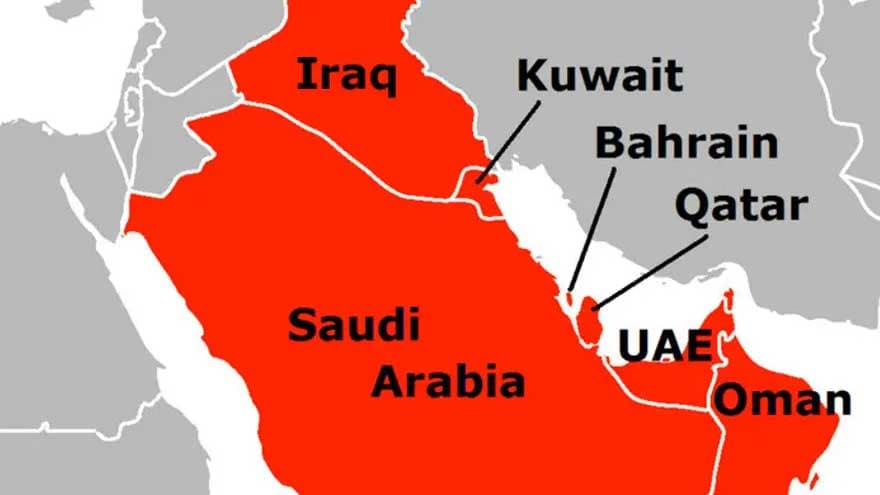
Baghaei specifically referenced a pattern of alleged false flag operations observed in recent years, suggesting that Tehran views the accusations originating from Abu Dhabi as part of a larger, coordinated effort rather than an isolated diplomatic incident. This sharp exchange follows the UAE’s announcement earlier this week that it has suspended all trade, commercial, and financial transactions with Iran.
Abu Dhabi justified this drastic economic measure by citing regional escalations that it claims are directly threatening peace and security. The UAE government had previously stated that its defense systems detected two ballistic missiles launched from Iranian territory, a specific allegation that Tehran has now firmly and categorically rejected.
The diplomatic dispute adds a significant layer of complexity to an already fraught security environment across the Persian Gulf. The Strait of Hormuz, a critical artery for global energy supplies, remains largely closed to commercial shipping, while diplomatic negotiations between Iran and the United States have largely stalled, leaving little room for de-escalation.
With both Abu Dhabi and Tehran now trading direct and serious accusations, the risk of miscommunication or unintended military escalation between two major regional players has increased significantly. Despite the gravity of the claims, neither side has presented independently verified evidence to substantiate their respective positions regarding the alleged missile launch.
Regional observers and international analysts are now watching the situation closely for any additional statements from either government, as well as for signs of whether this episode will remain contained to a war of words or if it will spill over into further, more tangible actions.
The lack of transparency regarding the alleged incident leaves the international community in a state of uncertainty, as the potential for a wider conflict remains a primary concern for neighboring states and global powers alike. As diplomatic channels remain strained, the focus shifts to whether regional mediators can intervene to prevent the current rhetoric from manifesting into a direct confrontation.
The situation remains fluid, with the potential for further developments as both nations maintain their firm stances in the face of mounting regional pressure and economic fallout from the suspended trade relations.
Written by Ali Khan
Aman-e-Pakistan Senior Journalist & Bureau Reporter
Continue Reading: More in International
Swipe or click arrows to explore International desk coverage