US and Canada reach trade agreement, temporarily halting planned tariffs
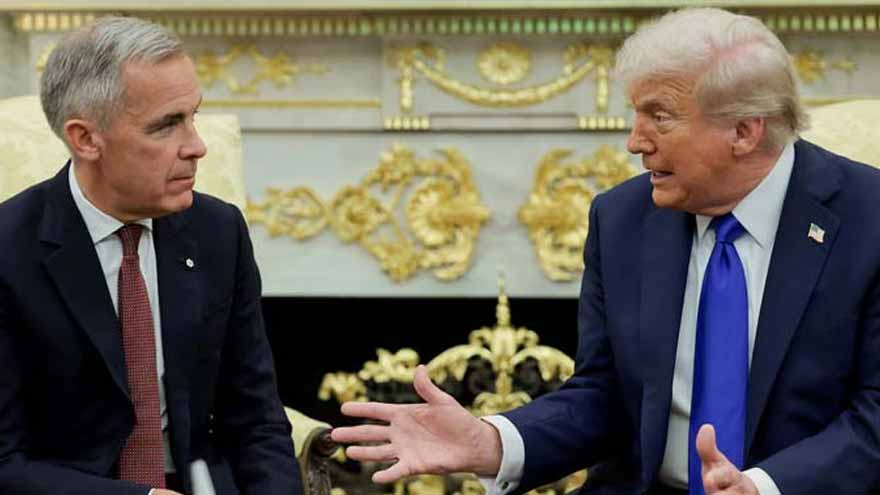
“United States President Donald Trump announced late Tuesday that he has implemented a three-day pause on the imposition of new 50% tariffs on Canadian goods, which were originally scheduled to take ef…”
The decision follows a period of intense and opaque negotiations between Washington and Ottawa, culminating in what the President described as a tentative agreement between the two nations.
In a statement posted to social media, President Trump confirmed the pause was based on the fact that the United States and Canada have reached a deal, though he noted that the arrangement remains subject to the finalization of official documentation.
Canadian Prime Minister Mark Carney subsequently addressed the development, confirming that substantial progress has been achieved in the bilateral discussions, while cautioning that there is still important work to be done to solidify the terms.
"Stay connected with Aman-e-Pakistan for ongoing live reporting and verified investigative updates."
The announcement comes after a series of high-level meetings, including a conversation between the two leaders on Tuesday afternoon, marking their second direct engagement within the same week.
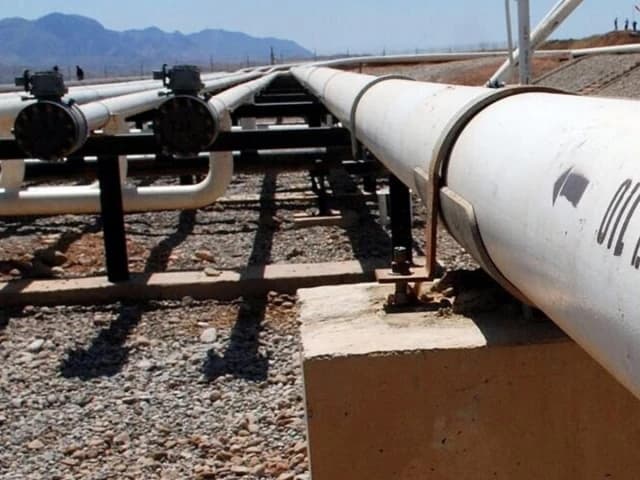
Beyond the immediate tariff relief, President Trump suggested that the Keystone XL Pipeline project, which was previously cancelled by the Biden administration in 2021 following years of environmental and indigenous opposition, might be revived, although he provided no specific details regarding a potential timeline or regulatory path for such a move.
The threat of new tariffs had created significant anxiety across various economic sectors, with industry experts and trade officials warning that the levies could have jeopardized approximately $20 billion worth of annual imports.
Candace Laing, CEO of the Canadian Chamber of Commerce, emphasized the gravity of the situation, noting that businesses have been operating under extreme uncertainty for over a year, which has stifled hiring, investment, and overall growth.
She highlighted that billions of dollars in goods were at risk of being significantly impacted, potentially leading to widespread job losses and business closures in vulnerable industries such as lumber, wine, and dairy. The negotiations in Washington have been led by Canada’s minister responsible for US trade, Dominic Le.
Blanc, and chief trade negotiator Janice Charette, who have been engaged in discussions with US Trade Representative Jamieson Greer and Commerce Secretary Howard Lutnick. A primary point of contention throughout these talks has been the structure of US tariffs on Canadian vehicles.
Sources familiar with the negotiations indicated that the sides have discussed reducing existing US Section 232 tariffs on Canadian vehicles from 25% to 15%, with further potential reductions contingent upon the amount of US-produced content within each vehicle.
This issue of content calculation proved to be a major hurdle, as Washington reportedly demanded that only US-produced components be counted toward tariff deductions, while Canada advocated for the inclusion of all North American content, including parts sourced from Mexico.
The complexity of these trade rules was further highlighted by the US Commerce Department, which recently released updated regulations requiring automakers to certify their US content levels annually rather than twice a year.
While the immediate threat of the 50% tariff has been deferred for three days, the broader implications for the US-Mexico-Canada trade agreement remain a focal point for policymakers.
Canadian officials had previously indicated that all options were under consideration should the tariffs have proceeded, including the possibility of providing government support to affected domestic industries or suspending bilateral trade talks entirely.
However, the recent breakthrough suggests a mutual desire to avoid a broader trade conflict, even as the specific details of the agreement remain to be fully articulated and finalized by both governments in the coming days.
Written by Sheheryar Munawar
Aman-e-Pakistan Senior Journalist & Bureau Reporter
Continue Reading: More in International
Swipe or click arrows to explore International desk coverage