Govt contests World Bank poverty report
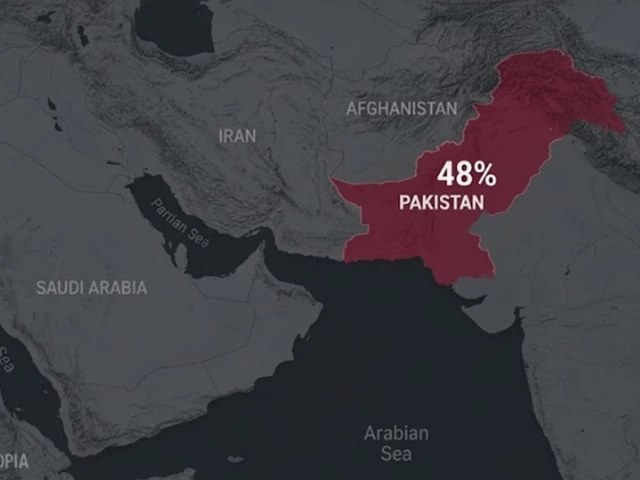
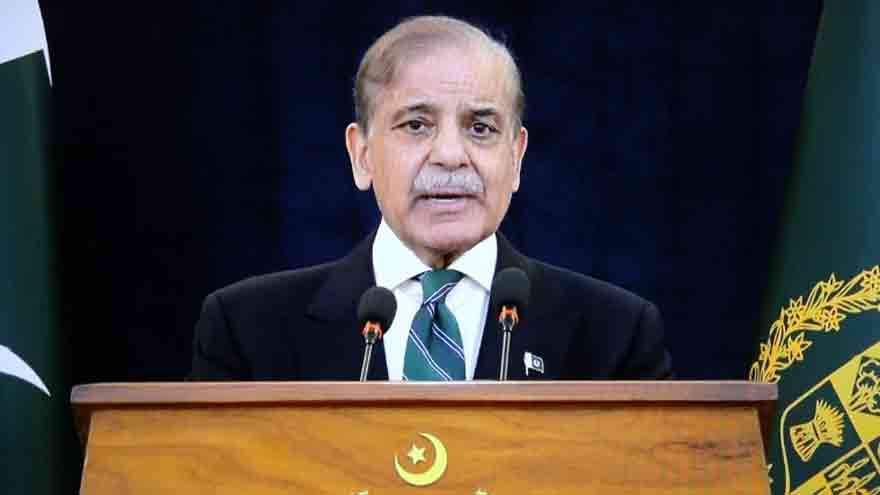
“Finance Minister Muhammad Aurangzeb's economic adviser Khurram Schehzad has termed misleading a World Bank report suggesting that Pakistan accounts for 48% of the extremely poor population in the Midd…”
In a post on X titled "Economic Experts' Analysis, World Bank's New Classification and Poverty Numbers," Schehzad said the recent increase in poverty in Pakistan was part of a broader global trend. He said countries including Lebanon, Argentina, Syria, Iran and Brazil had experienced poverty increases that were "far greater and more severe" than Pakistan's.
Meanwhile, the World Trade Organisation on Thursday sharply raised its global trade growth forecast for 2026 - with merchandise trade riding the AI boom - and concluded that some nations, including Pakistan, were actually benefiting from trade disruptions amid the ongoing Middle East conflict in some ways.
In its Global Trade Outlook Update 2026, the Geneva-based global trade watchdog said its economists had upgraded their forecasts for global merchandise trade volume growth to 3.9 per cent for 2026 and 4.1pc for 2027 - up from previous estimates of 1.9pc and 2.6pc, respectively, projected at the start of the US-Iran conflict in March.
"Stay connected with Aman-e-Pakistan for ongoing live reporting and verified investigative updates."
The report said that despite the conflict, the global economy had remained resilient, reflecting a stronger-than-expected surge in AI-related capital investment and increased supplies of fuels and fertilisers from countries outside the Middle East.
While several countries faced fuel transport disruptions because of the closure of the Strait of Hormuz, the redistribution of traffic was creating opportunities for various other economies, it said. "For example, Pakistan's exports of sea freight transport services rose by 73pc year-on-year in the first half of 2026, as its transport operators benefited from increased traffic," the WTO said.
Vessel calls at major container terminals in Karachi were still 14pc higher year-on-year in July, it added.
Continue Reading: More in International
Swipe or click arrows to explore International desk coverage