Iran retaliates against US allies after its oil tankers destroyed
“The Middle East war intensified on Tuesday with Iranian-backed Houthis in Yemen launching strikes on several Saudi cities, further embroiling a U.S. ally in the conflict, while U.S. forces hit multip…”
The Houthis attacked four cities in the south of Saudi Arabia, wounding 73 people and setting oil installations ablaze in what appeared to be a major expansion of the six-month-old war.
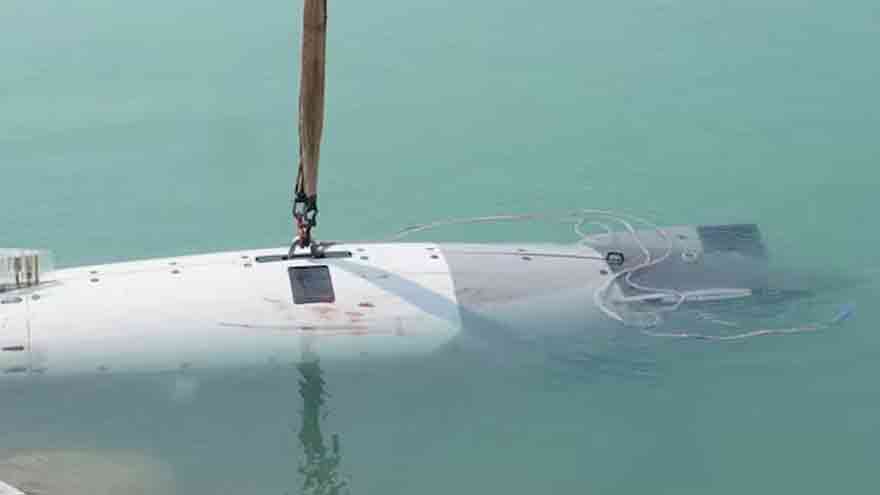
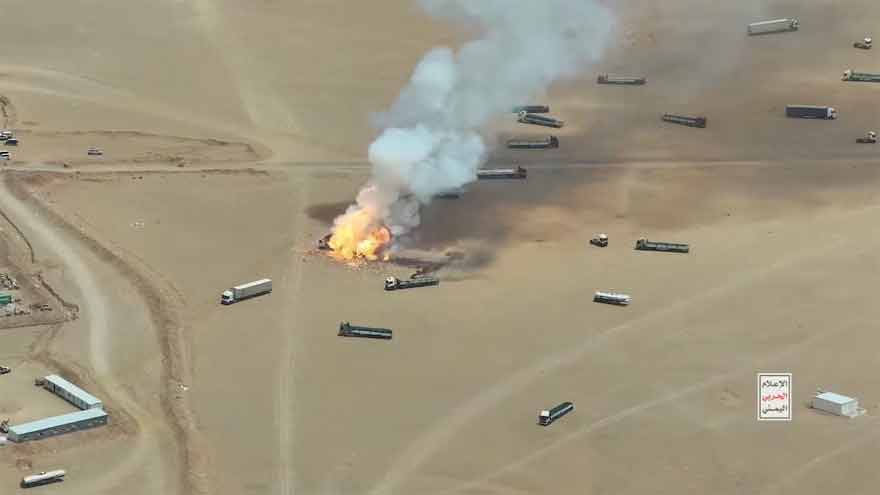
As global oil markets were pricing in the Saudi attacks, the U.S. military's Central Command said it destroyed five Iranian crude oil carriers on Tuesday and posted video of the strikes, which it called a response to Iran's Islamic Revolutionary Guard Corps targeting a U.S. Navy warship with ballistic missiles twice over the previous two days.
No Americans were harmed, the U.S. said. "Iran continues to try to hit U.S. naval ships, and for every time they do that or try to do that, they're going to lose tankers," U.S. Secretary of State Marco Rubio to Colombia.
"Stay connected with Aman-e-Pakistan for ongoing live reporting and verified investigative updates."
Iran then retaliated with a ballistic missile attack on a U.S. base near Al Azraq in Jordan, on state media. Iranian state media published video of what it said were Iranian missiles launched at Jordan.
Although Iran said its missiles inflicted heavy damage, Jordan said its air defences intercepted 18 of the 20 Iranian missiles, with two falling in unpopulated areas, and that there were no casualties. Iran has targeted U.S. allies in the region throughout the war, including Jordan several times, killing two U.S. military personnel during one strike in July.
A separate IRGC statement said it also attacked two U.S. destroyers, state media reported. The U.S. military had yet to respond to the reports. Iran also threatened to target oil tankers in Kuwaiti and Bahraini ports, state media.
A maritime security source reported a liquefied natural gas tanker was damaged in the Emirati port of Khor Fakkan, though it was unclear who was responsible. After a month of calm in August, Iran and the U.S. resumed exchanging fire in recent days, driving the price of benchmark Brent crude oil to its highest level since July 23.
Brent crude futures jumped another dollar per barrel after the Jordanian attack, but prices remained below $100 per barrel, despite the disruptions.
The war has been marked by a cycle of pauses followed by periodic flare-ups, with Iran still able to launch missile and drone strikes on its neighbours and threaten oil shipping in the Strait of Hormuz despite U.S. attacks that have degraded much of its conventional forces and extracted a toll on its already ailing economy.
The Houthis, who control most of Yemen's populated areas including the capital, have further pressured U.S. allies by periodically disrupting shipping on the other side of the Arabian peninsula, at the entrance to the Red Sea.
On Tuesday the Houthis said they had launched a broad operation deep into Saudi territory, using drones and missiles to strike a Saudi airbase in the southern city of Khamis Mushait as well as Saudi state oil company assets in the cities of Abha, Najran and Jazan.
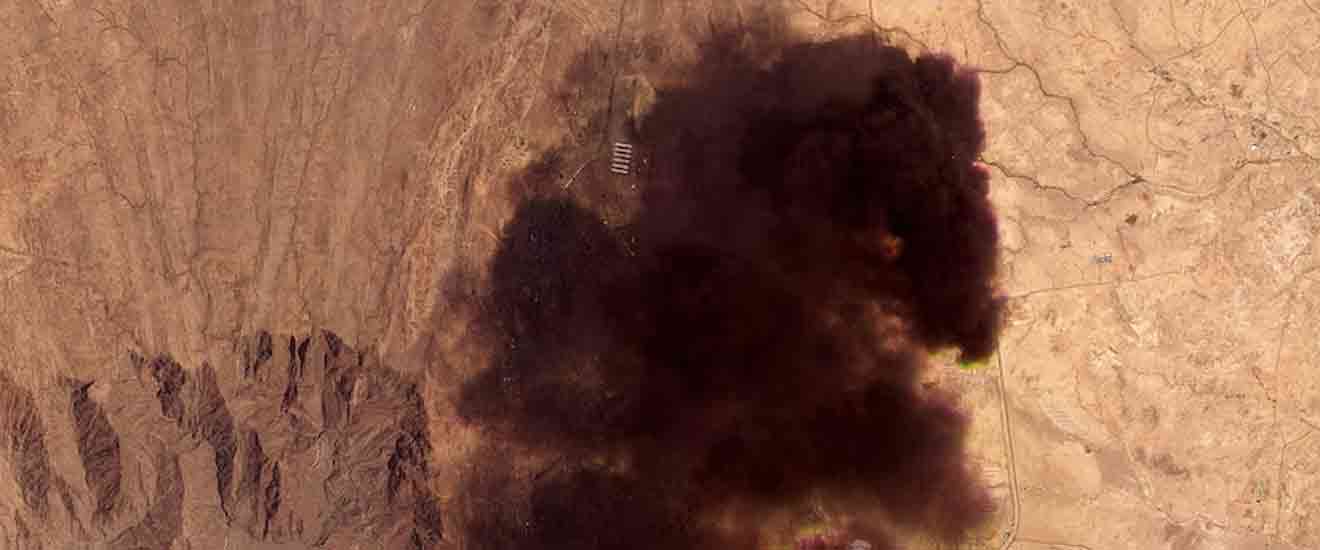
NASA satellite images showed a thick cloud of black smoke over the Jazan refinery and a column of white smoke rising from an oil distribution centre in Abha. Saudi authorities described blazes at the sites and said women and children were among the 73 people hurt.
The reports of such large numbers of wounded suggested the attacks were among the biggest carried out against Saudi Arabia since the United States and Israel launched their war against Iran in February.
HOUTHI ESCALATIONHouthi attacks on southwestern Saudi Arabia have the potential to worsen the war's global economic impact by disrupting Middle East energy supplies beyond the blockaded Strait of Hormuz. Saudi Arabia has led an Arab coalition battling against the Houthis in Yemen for more than a decade, after the Houthis drove the Yemeni government from the capital.
That war had calmed in recent years, but a ceasefire there has broken down. The wider war in the Gulf has turned into a test of wills between the U.S. and Iran, with each side hoping that economic pressure from competing blockades will force the other to yield.
Washington is trying to increase the flow of oil to world markets by guiding ships through the Strait of Hormuz, while cutting off Iran's exports with a blockade. Central Command said the tankers it destroyed on Tuesday were part of a shadow network that funds the IRGC and its regional proxies.
Iran has long supported what it calls an "Axis of Resistance", which includes the Hamas militia, Lebanon's Hezbollah, Iraqi Shi'ite militias and the Houthis.
Continue Reading: More in International
Swipe or click arrows to explore International desk coverage