Social media is becoming a key diplomatic tool as
“Social media is becoming a key diplomatic tool as governments and leaders use digital platforms to communicate foreign-policy positions, respond to crises and s…”
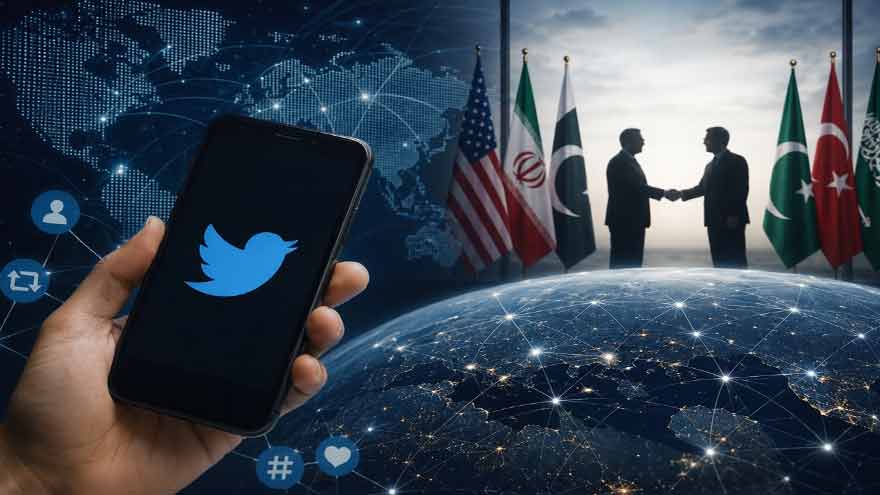
Social media is becoming a key diplomatic tool as governments and leaders use digital platforms to communicate foreign-policy positions, respond to crises and shape global opinion.
ISLAMABAD (Zeeshan Yousafzai) – Social media platforms have increasingly emerged as a new channel for diplomatic communication, with governments, foreign ministries and world leaders using digital platforms to announce foreign-policy positions, respond to international developments and communicate directly with global audiences. The growing practice, known as digital diplomacy or social-media diplomacy, is changing the way states communicate.
While diplomatic letters, confidential cables, official notes, ambassadorial meetings and formal statements remain important, social media has introduced a faster and more public method of delivering diplomatic messages. The recent US-Iran conflict provided a prominent example of the growing role of digital diplomacy.
"Stay connected with Aman-e-Pakistan for ongoing live reporting and verified investigative updates."
Following the start of the conflict on February 28, several important statements and announcements by US President Donald Trump were communicated through Truth Social and Twitter, allowing his positions to reach audiences around the world almost immediately. Iranian officials also relied on social media to communicate Tehran’s position during the conflict.
Statements issued online addressed issues including the Strait of Hormuz, ceasefire conditions and regional security, demonstrating how digital platforms can be used to communicate positions on sensitive diplomatic and security matters. The use of social media has introduced a major change to the traditional diplomatic process.
In conventional diplomacy, governments often spend significant time negotiating the wording of official statements because individual words can carry political and legal consequences. Relations between states have traditionally been managed through diplomatic correspondence, confidential cables, official notes, meetings between ambassadors and joint communiqués.
The Makkah Joint Defence Agreement between Pakistan, Saudi Arabia and Türkiye provided another example of how major international agreements and their key messages can be communicated through social media. The agreement was signed on August 7, 2026, with the three countries agreeing to strengthen cooperation in defence and security.
Senior Pakistani officials subsequently used social media to communicate details and explain the purpose of the agreement. Prime Minister Shehbaz Sharif also posted about the agreement on X, describing it as a symbol of friendship and a shared commitment to peace and security among the three countries.
Deputy Prime Minister and Foreign Minister Ishaq Dar later clarified that the defence agreement was defensive in nature and was not directed against any country.
Unlike traditional diplomatic correspondence, social media posts can be issued and circulated almost instantly, leaving limited time for governments to consider the possible political or diplomatic consequences of particular statements. Despite the growing role of digital platforms, traditional diplomacy continues to remain important.
Written by Fawad Khan
Aman-e-Pakistan Senior Journalist & Bureau Reporter
Continue Reading: More in International
Swipe or click arrows to explore International desk coverage