Islamic Revolutionary Guard Corps Denies Claims of Negotiations with Donald Trump
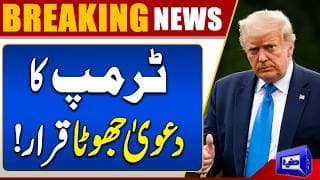
“The Islamic Revolutionary Guard Corps (IRGC) has officially rejected recent assertions regarding potential diplomatic engagement or ongoing talks with former United States President Donald Trump. This…”
This firm denial serves as a direct response to claims suggesting that back-channel communications or negotiations might be underway between the Iranian military leadership and the American political figure. The IRGC, which functions as a primary branch of the Iranian Armed Forces, emphasized that there is no basis for such reports, characterizing the narrative as entirely unfounded.
By issuing this categorical rejection, the IRGC aims to clarify its stance amidst a climate of heightened geopolitical speculation, reinforcing the official Iranian position that rejects direct dialogue with the former U.S. administration. The statement from the IRGC underscores the deep-seated ideological and political divide that continues to define the relationship between Tehran and Washington.
For observers of international affairs, this development highlights the persistent challenges in diplomatic signaling between the two nations. The IRGC’s rejection is not merely a tactical denial but a reflection of the broader strategic posture maintained by the Iranian state, which remains highly skeptical of any overtures originating from the American political establishment.
"Stay connected with Aman-e-Pakistan for ongoing live reporting and verified investigative updates."
The timing of this clarification is significant, as it seeks to preemptively address any domestic or international confusion that might arise from circulating rumors of secret diplomacy. The IRGC has historically maintained a hardline stance against U.S. influence in the Middle East, and this latest communication serves to reiterate that commitment to its domestic and global audience.
Furthermore, the rejection serves to stabilize the internal political discourse within Iran, ensuring that there is no ambiguity regarding the state’s foreign policy direction. The IRGC’s role in shaping national security policy remains central, and its public pronouncements are closely monitored by international analysts as indicators of Iran’s strategic intentions.
As the geopolitical landscape remains volatile, the IRGC’s insistence on the absence of any dialogue with Donald Trump reinforces the status quo in U.S.-Iran relations, which have been marked by years of economic sanctions, regional proxy tensions, and a lack of formal diplomatic channels.
The lack of any verifiable evidence supporting the claims of talks further solidifies the IRGC’s position as the primary authority on its own operational and diplomatic engagements. This incident serves as a reminder of the complexities involved in international relations, where claims and counter-claims can rapidly proliferate, necessitating clear and authoritative responses from state actors to maintain diplomatic clarity.
The IRGC’s swift action to address these claims demonstrates its sensitivity to how its image and policies are perceived on the global stage, particularly concerning its interactions with the United States. By maintaining this firm boundary, the IRGC continues to project an image of unwavering resistance, which is a cornerstone of its institutional identity.
As the situation evolves, the international community will likely continue to scrutinize any potential shifts in this rigid dynamic, though for now, the IRGC has effectively closed the door on any speculation regarding engagement with the former U.S. president.
Written by Iqra Aziz
Aman-e-Pakistan Senior Journalist & Bureau Reporter
Continue Reading: More in International
Swipe or click arrows to explore International desk coverage