U.S. and Iran remain at impasse as Strait of Hormuz tensions escalate
“United States President Donald Trump confirmed on Tuesday that no diplomatic negotiations are currently underway with Iran, directly contradicting earlier suggestions from his administration that talk…”
The declaration marks a significant hardening of positions following the expiration of a temporary ceasefire agreement on Monday, which was intended to pave the way for a broader resolution to the nearly six-month-old conflict.
While President Trump asserted via social media that the Strait of Hormuz remains open and that all water mines have been cleared, the reality on the ground suggests a deepening maritime crisis.
Shipping data indicates that vessel crossings through the critical waterway, which historically facilitates the transit of one-fifth of the world’s oil and liquefied natural gas, have remained in the single digits.
"Stay connected with Aman-e-Pakistan for ongoing live reporting and verified investigative updates."
The situation is further complicated by conflicting reports regarding the status of the strait; while the U.S. insists it is operational, senior Iranian negotiator Mohammad Baqer Qalibaf stated that the waterway would remain closed until Washington meets specific conditions, including the lifting of oil sanctions, the release of frozen assets, and the cessation of military operations.
The geopolitical friction has had immediate economic consequences, with global oil prices fluctuating and borrowing costs for major economies reaching multi-decade highs. Brent crude futures settled at over $91 per barrel on Tuesday, reflecting ongoing market anxiety over the potential for a prolonged supply disruption.
The conflict, which originated from joint U.S.-Israeli strikes on Iran, has expanded into a regional standoff. The United Arab Emirates (UAE) reported on Tuesday that two ballistic missiles were launched from Iran toward maritime traffic, an allegation that Tehran’s foreign ministry spokesperson, Esmaeil Baghaei, dismissed as baseless.
In response to the escalating regional instability, the UAE Foreign Ministry announced the immediate suspension of all trade and financial transactions with Iran, a move that reverses a brief resumption of cargo shipping that had only begun in late June.
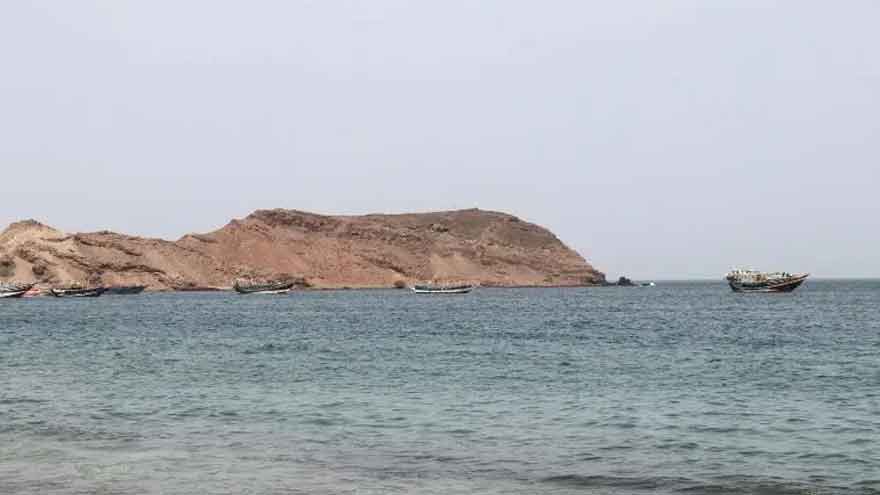
Further underscoring the volatility, the United Kingdom Maritime Trade Operations reported that a vessel was struck by an unidentified projectile while exiting the Strait of Hormuz, resulting in engine room damage and a crew casualty. The Omani Coast Guard is currently assisting the affected vessel.
Despite the military posturing, internal signals from Tehran suggest a complex internal dynamic. Mohammad Mokhber, an adviser to Iran’s supreme leader, indicated that while the country remains open to dialogue, it will not accept terms that equate to surrender.
According to three Iranian officials, the leadership is increasingly concerned that continued economic pressure and the threat of further sanctions could exacerbate domestic hardships and erode the legitimacy of the Islamic Republic.
The U.S. administration has signaled that it is prepared to increase this pressure, with an official stating that there are many levers the president can utilize in the coming weeks and months to further impact the Iranian economy. As the diplomatic stalemate persists, the risk of miscalculation remains high.
The initial memorandum of understanding signed on June 17, which aimed for a permanent cessation of military operations, has effectively collapsed. With no scheduled talks and both sides maintaining rigid stances, the international community remains on high alert for further disruptions to global energy supplies and regional security.
The conflict has already resulted in thousands of casualties, primarily within Iran and Lebanon, while Iranian forces have targeted U.S. military infrastructure across several nations, including Oman, Jordan, Kuwait, Israel, and the UAE.
As the standoff enters its next phase, the lack of a clear diplomatic path forward continues to cast a shadow over global economic stability and maritime safety in the Gulf.
Written by Ali Khan
Aman-e-Pakistan Senior Journalist & Bureau Reporter
Continue Reading: More in International
Swipe or click arrows to explore International desk coverage