UAE suspends all trade and financial ties with Iran following missile incident
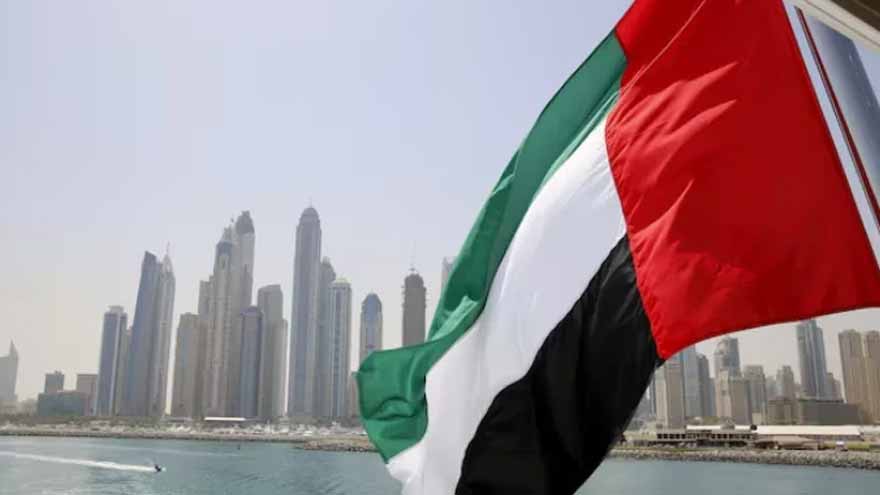
“The United Arab Emirates has officially suspended all trade activities, commercial exchanges, and financial transactions with Iran until further notice. This decisive move, announced by the UAE foreig…”
This decisive move, announced by the UAE foreign ministry on Wednesday, follows a significant escalation in regional tensions that officials claim has severely undermined international peace and security.
The suspension marks a major shift in the diplomatic and economic landscape of the Gulf, as the UAE seeks to protect its national interests and maritime stability in the face of what it describes as direct threats to its sovereign territory.
The announcement was triggered by a security incident on Tuesday, during which the UAE defence ministry reported the detection of two ballistic missiles launched from Iranian territory. According to official assessments provided by the ministry, these projectiles were specifically aimed at maritime traffic.
"Stay connected with Aman-e-Pakistan for ongoing live reporting and verified investigative updates."
While both missiles reportedly fell into the sea without causing direct damage or casualties, the event has heightened anxieties across the region. This incident represents the first such missile threat reported in the area since the strike on the Fujairah port on May 4.
In response to the detection, the UAE interior ministry issued an emergency phone alert to residents, which was later followed by a reassurance that the situation was under control and that the public could resume normal activities.
The defence ministry has since affirmed its full operational readiness to address any future threats, stating it remains prepared to confront any actions aimed at destabilizing the state. The Iranian government has vehemently denied these allegations.
Esmaeil Baghaei, a spokesperson for the Iranian foreign ministry, dismissed the UAE's claims as entirely baseless on Wednesday morning. Baghaei urged regional stakeholders to avoid making unsubstantiated accusations, suggesting that the situation must be viewed through the lens of what he termed the continued malicious actions of the United States and Israel against regional security.
He further alluded to a history of what he described as false-flag operations, implying that the narrative surrounding the missile launch may be part of a broader geopolitical strategy. This latest friction occurs at a precarious time, as a 60-day window for peace talks between the United States and Iran concluded on Monday without achieving a diplomatic breakthrough.
The failure to reach an agreement has intensified fears of a renewed conflict that could further disrupt critical shipping lanes through the Strait of Hormuz, a vital artery for global energy supplies that has seen intermittent instability since February.
The UAE has previously accused Iran of targeting state-owned ADNOC vessels as they transited the strait, though Tehran has consistently refrained from claiming responsibility for such incidents. Historically, the Iranian Revolutionary Guards have issued warnings regarding vessels passing through the strait, particularly those linked to Tehran's adversaries or those failing to comply with specific maritime directives.
As the trade suspension takes effect, the international community remains focused on the potential for further escalation in one of the world's most sensitive maritime corridors. The UAE government maintains that its actions are a necessary measure to safeguard its security and ensure the stability of its economic infrastructure against ongoing regional volatility.
With diplomatic channels currently strained and the expiration of peace talks looming over the region, the suspension of financial and commercial ties represents a significant hardening of the UAE's stance toward Tehran, signaling a period of heightened caution and defensive posturing in the Gulf.
Written by Ahad Raza Mir
Aman-e-Pakistan Senior Journalist & Bureau Reporter
Continue Reading: More in International
Swipe or click arrows to explore International desk coverage