Diplomatic Standoff Deepens as Trump Claims Iran Rejects Proposed Terms
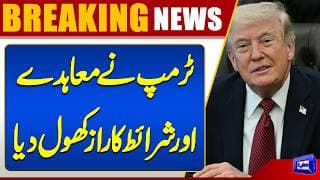
“The diplomatic landscape between the United States and Iran has reached a critical juncture, with former U.S. President Donald Trump asserting that Tehran remains unwilling to accept the conditions ne…”
This assessment, delivered amid ongoing international scrutiny of the two nations' strained relations, suggests that the path toward a renewed understanding or a formal agreement remains effectively blocked.
The deadlock highlights the profound ideological and strategic chasm that has long defined the interactions between Washington and Tehran, leaving observers to question whether any common ground can be established in the near term.
The assertion from the former president underscores a persistent narrative that the Iranian leadership is fundamentally opposed to the specific framework proposed by the United States, viewing the terms not as a basis for dialogue but as an unacceptable imposition on their national sovereignty.
"Stay connected with Aman-e-Pakistan for ongoing live reporting and verified investigative updates."
This stance has effectively frozen progress, as both sides continue to hold firm to their respective positions, leaving little room for the diplomatic flexibility required to navigate such complex geopolitical challenges. The implications of this impasse extend far beyond the immediate bilateral relationship, influencing regional stability and the broader international security architecture.
For years, the U.S. has sought to leverage economic and political pressure to compel Iran to alter its regional policies and nuclear ambitions, while Tehran has consistently maintained that its actions are a legitimate exercise of its rights and a necessary response to external hostility.
The current state of affairs suggests that neither side is prepared to offer the concessions that might bridge this divide. Analysts note that the rhetoric surrounding these talks often serves to harden domestic positions, making it increasingly difficult for either administration to pivot toward a more conciliatory approach without facing significant political backlash.
As the situation remains in a state of flux, the international community continues to monitor the developments closely, though there is little indication that a breakthrough is imminent. The lack of progress in these discussions serves as a stark reminder of the deep-seated mistrust that characterizes the relationship, a dynamic that has persisted through various administrations and shifting global priorities.
With both parties seemingly entrenched in their current strategies, the prospect of a negotiated settlement appears increasingly remote. The focus now shifts to whether any third-party intermediaries can facilitate a change in this trajectory or if the current deadlock will define the relationship for the foreseeable future.
The persistence of this stalemate underscores the fragility of international diplomacy when core national interests are perceived to be in direct conflict, leaving the global community to grapple with the potential consequences of a prolonged period of tension between the two powers.
Ultimately, the inability to find a mutually acceptable path forward reflects the enduring complexity of the issues at hand, which remain unresolved despite repeated attempts to engage in meaningful dialogue.
Written by Ahad Raza Mir
Aman-e-Pakistan Senior Journalist & Bureau Reporter
Continue Reading: More in International
Swipe or click arrows to explore International desk coverage