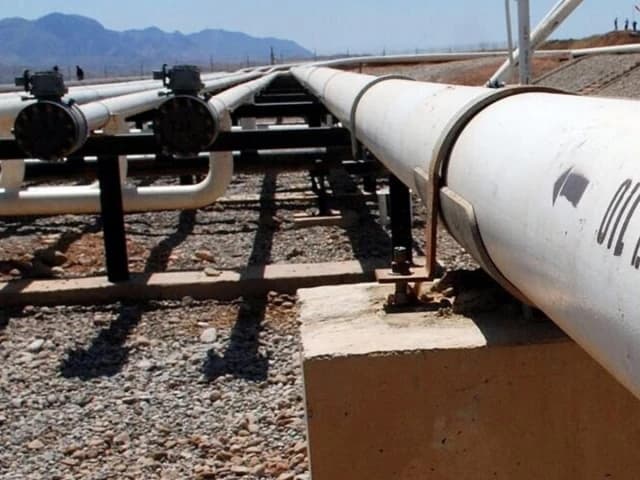
Saudi Arabia activates multinational maritime defense alliance
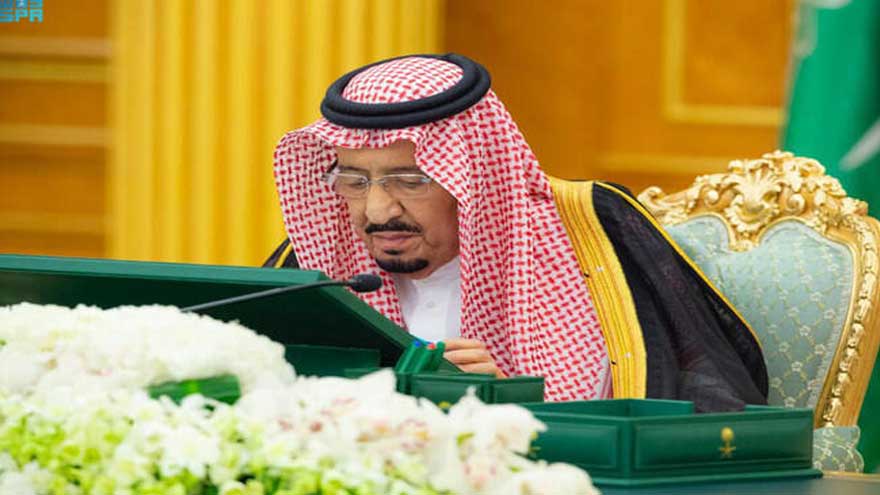
“The Saudi Arabian Cabinet announced on Tuesday the formal institutional and operational activation of a multinational maritime defense alliance, marking a significant shift in the regional security ar…”
Following the successful completion of comprehensive organizational and planning arrangements, the coalition is now fully prepared to execute its mandate of strengthening collective maritime security across vital waterways. The primary objective of this alliance is to safeguard the freedom of navigation, protect critical maritime routes and straits, and ensure the uninterrupted flow of international trade and global supply chains.
By formalizing this defense structure, Riyadh aims to create a robust framework capable of responding to emerging threats in the region's strategic corridors. During the announcement, the Saudi Cabinet issued a stern condemnation of repeated attacks on commercial ships and tankers, which it attributed to Iran.
The council characterized these incidents as a dangerous escalation that poses a direct and immediate threat to regional maritime security. According to the Cabinet, these actions represent a grave violation of international law and serve as a blatant challenge to the authority of the United Nations Security Council.
"Stay connected with Aman-e-Pakistan for ongoing live reporting and verified investigative updates."
Specifically, the Saudi leadership highlighted that these maritime disruptions defy a standing UN resolution that mandates the protection of navigation rights for commercial vessels transiting the Strait of Hormuz. The Strait of Hormuz remains one of the world's most critical maritime chokepoints, serving as a primary artery for global energy exports.
The Saudi government emphasized that any measures or threats capable of obstructing the freedom of navigation through this strategic waterway are unacceptable and jeopardize the stability of the global economy. By positioning the new alliance as a guardian of these routes, Saudi Arabia is signaling a proactive approach to maintaining regional order.
The Cabinet reiterated that the safety of maritime navigation is a fundamental pillar of international stability, and the alliance is committed to upholding these standards against any hostile interference. This development follows a period of heightened tension in the Persian Gulf, where various incidents involving commercial tankers have prompted international concern regarding the security of shipping lanes.
The activation of the alliance serves as a strategic response to these challenges, aiming to provide a collective deterrent against further provocations. As the coalition begins its operational phase, it is expected to coordinate closely with international partners to monitor maritime activities and ensure that commercial vessels can transit through key straits without the threat of harassment or sabotage.
The Saudi government has underscored that the alliance is not merely a defensive posture but a necessary mechanism to preserve the integrity of global supply chains that rely heavily on the security of these maritime passages.
By integrating the capabilities of multiple nations, the alliance seeks to create a comprehensive surveillance and response network that can address security gaps in real time. The focus remains on maintaining the status quo of open navigation, which is essential for the economic prosperity of the region and the wider international community.
As the situation evolves, the international community will be watching to see how this new maritime defense structure influences the security dynamics within the Strait of Hormuz and the broader Middle Eastern maritime theater.
The Saudi Cabinet's declaration marks a definitive step toward institutionalizing a security response that prioritizes the protection of commercial interests and the enforcement of international maritime law in one of the most sensitive regions on the planet.
Written by Iqra Aziz
Aman-e-Pakistan Senior Journalist & Bureau Reporter
Continue Reading: More in International
Swipe or click arrows to explore International desk coverage