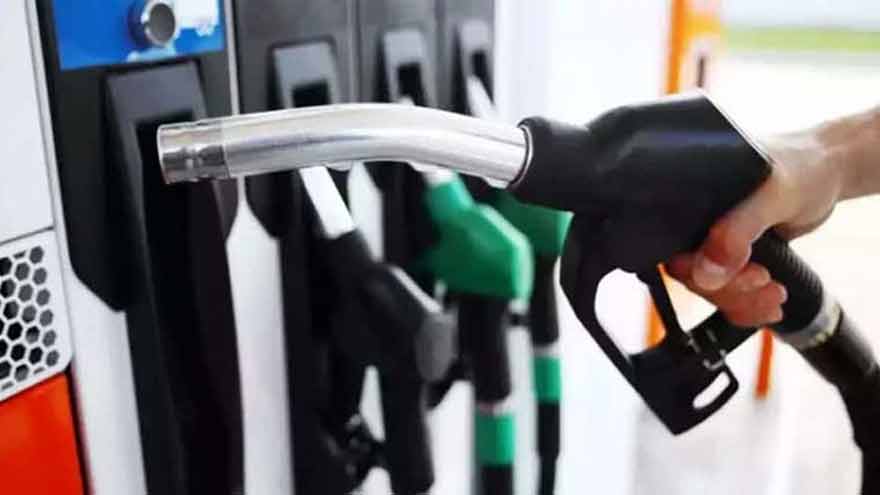
Govt increases petrol price by Rs2.29, HSD by Rs1.11 per litre for Sept 3
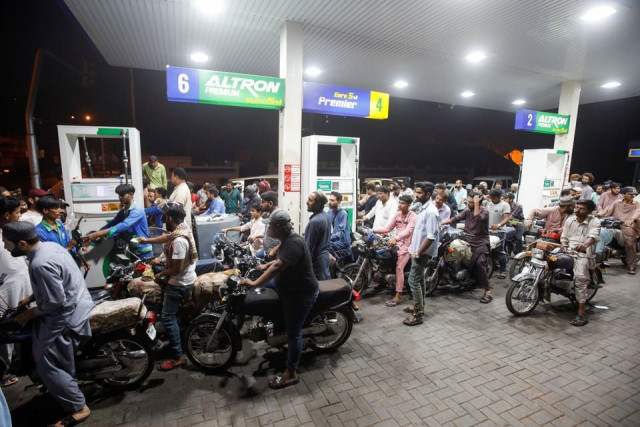
“The federal government on Wednesday increased the price of petrol and high-speed diesel (HSD) by Rs2.29 and Rs1.11 per litre, respectively, for September 3. the Petroleum Division, the price of petrol…”
The latest revision comes a day after the government increased the price of petrol and HSD by Rs1.08 and 51 paisas per litre, respectively, for September 2.
Read:Govt increases petrol price by Rs1.08, HSD by 51 paisas per litre for Sept 2On July 17, the government announced a new pricing mechanism under which petroleum product prices would be reviewed and notified on a daily basis, replacing the weekly pricing mechanism, as renewed tensions between the United States and Iran continued to drive volatility in global oil markets and raise concerns over fuel supplies.
2024-25, petroleum products constitute one of the country's largest import categories, making the economy highly vulnerable to changes in global crude oil prices. Domestic refineries satisfy only part of national demand, while the remainder is met through imports of crude oil and refined petroleum products.
"Stay connected with Aman-e-Pakistan for ongoing live reporting and verified investigative updates."
Consequently, every increase in international oil prices raises Pakistan's import bill, pressures foreign exchange reserves, and contributes to inflation. Pakistan previously exercised significant government control over petroleum pricing through subsidies and administrative interventions. While these measures temporarily protected consumers, they imposed substantial fiscal costs.
During periods of elevated global oil prices, successive governments delayed passing price increases to consumers, creating financial pressures for oil marketing companies, refineries, and the national budget. Large fuel subsidies widened fiscal deficits, increased public borrowing, and weakened macroeconomic stability.
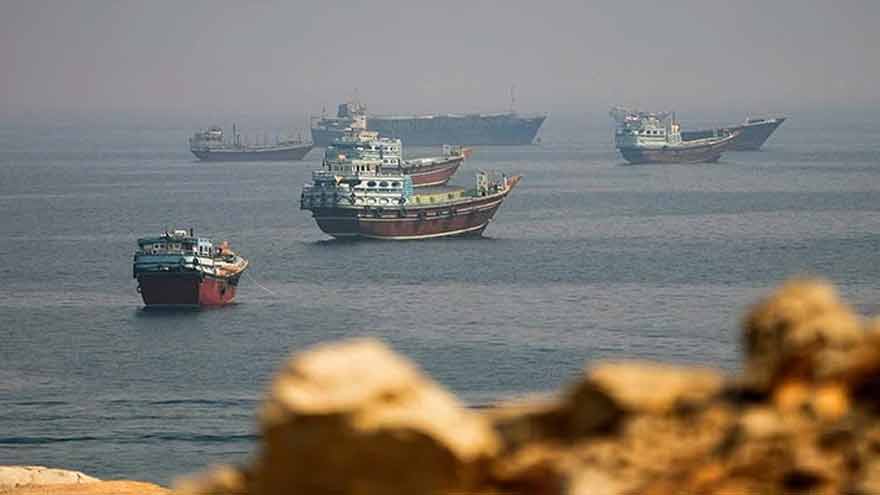
Global geopolitical developments continue to pose significant risks. International oil prices are influenced by decisions taken by OPEC+, conflicts in the Middle East, sanctions on oil-producing nations, and disruptions in critical shipping routes such as the Strait of Hormuz and the Red Sea.
Any interruption in these supply chains can immediately increase crude oil prices and freight costs. Since Pakistan imports the majority of its petroleum requirements, these developments quickly translate into higher domestic fuel prices.
Brent crude prices were marginally higher in a volatile session on Wednesday, driven by renewed military strikes between the United States and Iran that have restricted world oil supply. Brent crude futures rose 25 cents to $94.90 a barrel by 10:48 am ET (1448 GMT), while US West Texas Intermediate crude futures were up 10 cents at $90.32.
"While the increase in conflicts will slow transit through the Strait of Hormuz in the near term, the market has absorbed the fact that workaround crude oil supplies can still make it to the market eventually," said Dennis Kissler, senior vice president of trading at BOK Financial.
Continue Reading: More in International
Swipe or click arrows to explore International desk coverage