Search teams comb rubble in Colombia nearly a week after earthquake as aid effort expands
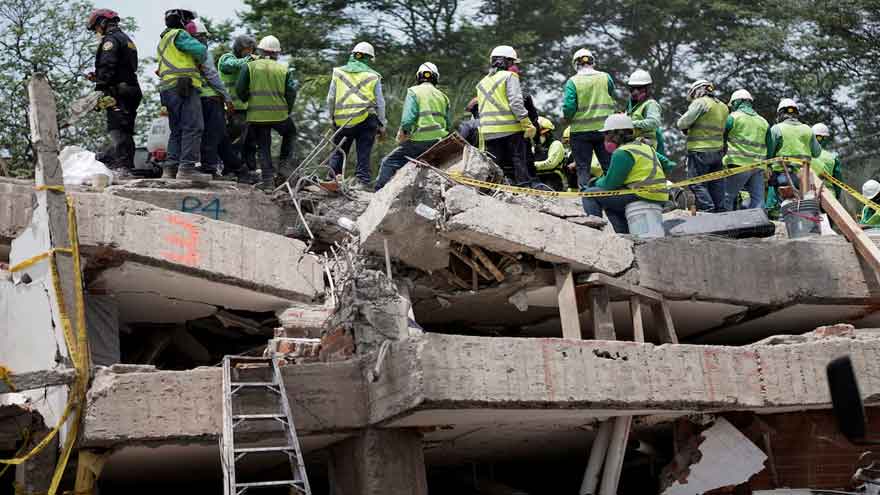
“Search teams continued to navigate the hazardous remains of collapsed buildings across western Colombia on Sunday, nearly a week after a powerful 7.4-magnitude earthquake struck the region. The seismi…”
The seismic event, which occurred on Monday morning in San Jose del Palmar, has left a trail of destruction stretching from the Pacific port of Buenaventura through the nation's vital coffee-growing heartland and into major urban centers including Cali and Pereira.
As the recovery operation enters its seventh day, the focus of emergency services has shifted from active rescue to the recovery of victims from the unstable piles of concrete and twisted metal that once served as homes, schools, and hospitals.
Official government estimates released on Sunday confirmed the death toll has reached approximately 290 people, with more than 140 individuals still reported missing and 4,200 others sustaining injuries. The human cost of the disaster is heavily concentrated in the cities of Cali and Pereira, where the structural integrity of residential apartment blocks and essential infrastructure was severely compromised.
"Stay connected with Aman-e-Pakistan for ongoing live reporting and verified investigative updates."
In Cali, the country's third-largest city, the reality of the situation has become increasingly grim for those on the ground. Captain Alberto Hernandez of the Cali fire department noted that the window for finding survivors has effectively closed, stating that there are no longer any signs of life within the debris.
While acknowledging the possibility of miracles, Hernandez emphasized that the current conditions provide no indication that anyone remains alive beneath the wreckage. The danger to rescue personnel remains high, as persistent aftershocks continue to destabilize damaged neighborhoods, forcing teams to operate with extreme caution to prevent further loss of life among both rescuers and community members assisting in the efforts.
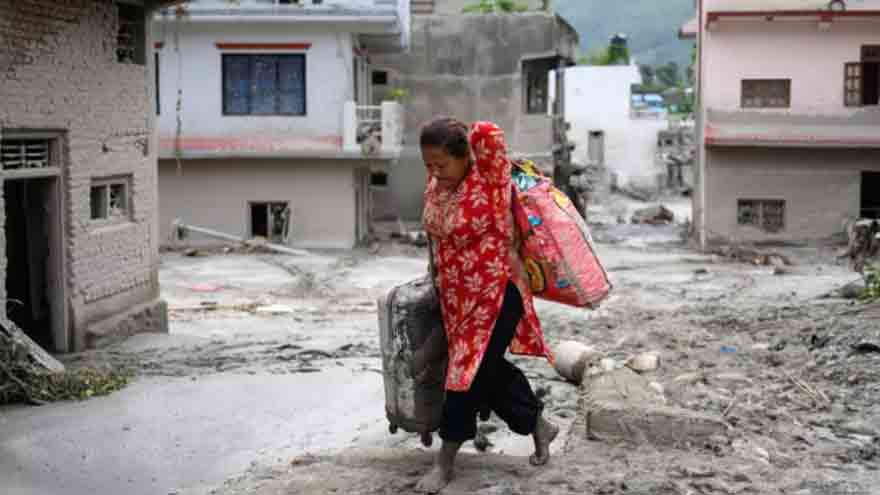
The emotional and physical toll on the survivors is profound, with thousands now displaced and facing an uncertain future. Claudia Galeano, a 53-year-old resident of Pereira, described the situation as overwhelming after losing her home and her father, Arnulfo Galeano, who was initially rescued from the rubble only to succumb to his injuries in a hospital.
She noted that many others are in even more dire circumstances, left without family or shelter in the wake of the catastrophe. Despite the diminishing hope for finding survivors, the national relief effort is scaling up to address the needs of the displaced population.
In the capital, Bogota, a stadium has been repurposed into the nation's largest donation collection center to manage the influx of aid. Meanwhile, in Pereira, authorities have initiated specialized efforts to treat injured pets and distribute animal food, recognizing the broader impact on the community.
The logistical challenge of providing for thousands of homeless citizens remains the primary focus for local and national authorities as they transition into the long-term recovery phase.
The methodical clearing of debris continues, hampered by the structural instability of the affected areas, as the nation grapples with the scale of the destruction and the immense task of rebuilding the devastated western provinces.
Written by Bilal Abbas
Aman-e-Pakistan Senior Journalist & Bureau Reporter
Continue Reading: More in International
Swipe or click arrows to explore International desk coverage