From US Senate to Israel’s Knesset, Arab and Muslim electoral gains open paths to influence
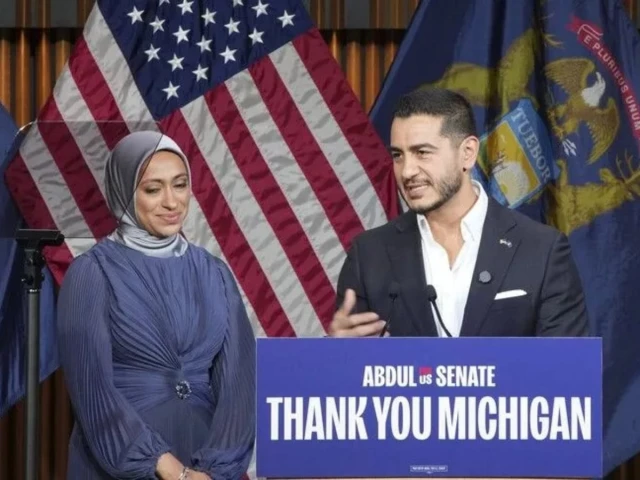
“From the first Muslim elected to the US Senate to record gains for Arab-led parties in Israel, recent elections have opened new possibilities for communities long marginalised in national politics. In …”
In the US, Abdul El-Sayed’s victoryin Michigan helped bring the number of Muslim candidates elected to Congress to a record high. In Israel, Arab-led parties emerged from the. October 27 electionwith enough seats to potentially determine who forms the next government.
While analyst Giorgio Cafiero described the US results as a rejection of President Donald Trump’s policies towards Israel and the US-Israeli war against Iran, Arab American Institute founder and president James Zogby said the gains reflected decades of political organising, given fresh momentum from the Gaza war.
In Israel, political scientist Neve Gordon said anger over the war and other issues affecting Palestinians helped drive increased turnout, although he warned that racism and political exclusion could limit the influence of Arab lawmakers.
"Stay connected with Aman-e-Pakistan for ongoing live reporting and verified investigative updates."
The results offer new opportunities for political participation, but analysts say turning electoral gains into lasting influence will depend on alliances, public pressure and overcoming resistance. US: Muslim representation reaches historic milestone.
The November 3US midterm electionssaw Democrats win control of both chambers of Congress, while at least seven Muslim candidates secured seats, including El-Sayed, the first Muslim elected to the Senate. Jason H. Campbell, a senior fellow at the Middle East Institute, said Muslim Americans remain a relatively small national voting bloc, but their political participation has increased considerably.
Voter registration among eligible Muslim Americans rose from 60% in 2016 to 85% in 2025, Policy and Understanding. "Where Muslim Americans make up higher proportions of the population [like Michigan], they have more political influence and have seen the benefits of increased political participation," Campbell told.
Anadolu. Zogby of the Arab American Institute said the election results reflected decades of growing political participation among Arab Americans, rather than a sudden shift driven solely by the Gaza war. "The Arab American community has been growing and maturing politically for the past four decades.
We’ve been making progress all across the country in voter registration and turnout, and in candidates running and winning elective office," he said.
Read More:Abdul El-Sayed becomes 1st Muslim elected to US Senate in Michigan win"What the genocidal war in Gaza did was give greater impetus and purpose to our growth," Zogby added, pointing also to the role of strong candidates and campaign organisers in bringing the community's positions to the forefront.
Cafiero, CEO of Gulf State Analytics, described the result as a rejection of Islamophobic campaigning. "It is clear that voters in Michigan rejected the hateful and Islamophobic messages of Trump and Zionist extremists in America and chose to vote for Abdul El-Sayed, representing what could be a major turning point in American politics," he said.
Iran war, support for Israeli become liabilities. Although Muslim voters and lawmakers remain a minority, opposition to the war against Iran extended well beyond those communities. Cafiero linked the Democratic victories to the conflict’s economic consequences, saying its effects on the global economy had hurt American families and businesses.
"The success of Democratic candidates in solidly Republican states such as Kansas underscores a widespread rejection of the Trump administration’s wildly pro-Israel policies that brought America into a reckless war of choice," he said. Campbell also cited rising energy costs and broader economic pressures, alongside dissatisfaction with the Trump administration’s immigration enforcement policies.
The war’s political cost drew acknowledgement from the administration itself after the vote, with both Trump and Vice President JD Vance blaming the war for contributing to Republican losses. Cafiero also described the election as a setback for the American Israel Public Affairs Committee (AIPAC), arguing that its spending against progressive candidates had failed to secure the intended results.
"This election marks a huge blow to AIPAC, which invested massive amounts of money in candidates whom the US voters rejected,” he said. AIPAC spent $84.1 million through its United Democracy Project super PAC and other political action committees,, a publication of the Quincy Institute think tank.
Of that, $55.3 million went to races in which its preferred candidate lost. "American voters clearly rejected the US-Israeli war on Iran and Washington’s unconditional support for Tel Aviv," Cafiero said. Turning electoral success into policy influence.
Muslim lawmakers’ influence will now depend on building alliances with other Democrats and securing support for their legislative priorities. When the new Congress takes office in January, Democratic control of both chambers will create opportunities for greater oversight of the Trump administration, including its spending decisions and military assistance to Israel.
The results do not guarantee a fundamental change in foreign policy, however. Congress remains divided over Israel, while the president retains considerable authority over diplomacy and military decisions. Zogby argued that Arab and Muslim American lawmakers would not necessarily have to persuade their colleagues individually, as changing public opinion was already putting pressure on politicians to respond.
"Public opinion has changed so significantly in the past few years that we have the wind at our backs. So it’s not so much that we will have impact, it’s that politicians need to respond because their constituents are demanding change," he said.
Also Read:Democrats to investigate Trump deals, with eye on 2028 race. He added that support for changing US policy towards Israel and Palestine now extends beyond Arab and Muslim Americans. "Democrats will respond to us and these issues because the majority of their supporters from all backgrounds are calling for change.
We aren’t alone anymore," he said. Cafiero said voters will also need to hold the newly elected Democrats accountable over the coming years. “Now the onus is on the American voters who elected these Democrats to pressure them into implementing the agendas they campaigned on,” he said.
Israel: Arab parties emerge as potential kingmakers. In Israel, Arab-led parties secured their strongest combined parliamentary representation to date. The Joint List won 11 seats and the United Arab List, also known as Ra’am, secured eight, giving the two Arab-led parties a combined total of 19.
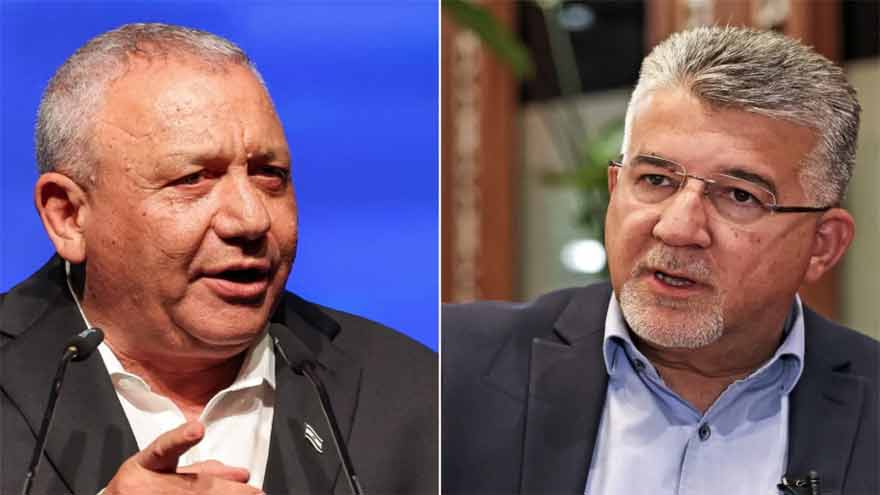
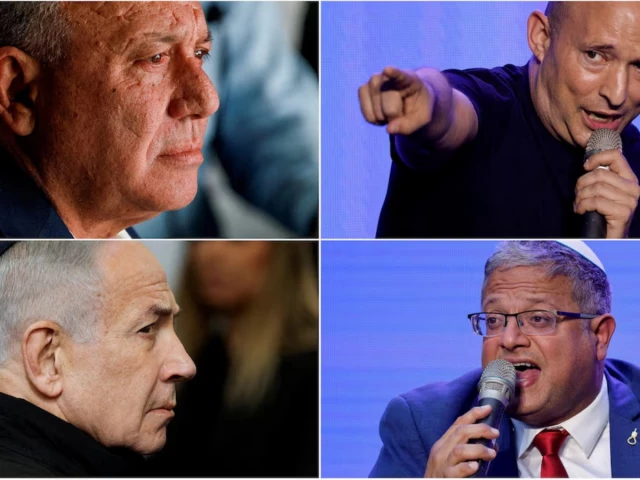
Prime Minister Benjamin Netanyahu’s bloc won 53 seats, while the opposition bloc led by Gadi Eisenkot secured 48. Neither reached the 61 needed for a parliamentary majority. The outcome has made Arab lawmakers potentially decisive in efforts to form a new government, although their participation remains politically contentious.
Gordon said the gains were driven primarily by anger over the war in Gaza, alongside other issues affecting Palestinians.
"The gains among Palestinian-led political parties are primarily due to the genocide in Gaza, alongside the widespread torture and sexual violence against Palestinians in prisons, the settler terrorism in the West Bank and the lack of intervention against crime within the Palestinian communities in Israel," Gordon said.
He also pointed to the role of far-right ministers in mobilising Palestinian voters, but cautioned that the results still fell short of proportional representation.
"One could say that Ben Gvir and Smotrich are responsible for the massive turnout – but we still need to keep in mind that 19 Knesset members is not 24, which is what the Palestinians should receive based on their percentage in society," he said.
Ahron Bregman, a teaching fellow at King's College, London, argued that excluding Arab citizens, who account for around 21% of Israel's population, from national political decision-making could not continue indefinitely.
"The Israelis, many liberals too, are happy to be treated by Arab doctors and nurses in hospitals, happy to buy medications from Arabs, many of whom own pharmacies, and visit Arab villages to eat great Hummus, but they are reluctant to have Arabs as part of an Israeli government. "Israel: Racism and political barriers threaten lasting influence.
Gordon, a professor in the school of law at Queen Mary University of London, said the election results could translate into greater political influence, but warned that this would depend on how the coalition negotiations develop and whether efforts to delegitimise Palestinian representatives succeed. "It could, but does not have to.
Prime Minister Netanyahu, with the help of the secret services, has launched a major delegitimisation campaign against the Palestinian citizens of Israel and their representatives," he said. One possible outcome, Gordon said, would be for Palestinian parties to support a minority government led by the opposition from outside the coalition.
In return, they could seek increased funding for schools, infrastructure and policing. However, he said he was doubtful that such an arrangement would give Arab parties direct influence over Gaza policy or Israel's foreign policy.
The negotiations are now moving into a formal stage. President Isaac Herzog began consultations with party representatives on Wednesday, and Ra’am announced it would recommend Eisenkot. Gordon, however, said racism remained the main obstacle to Arab parties joining governing coalitions, including among parties in the opposition bloc.
"The main obstacle is racism. The second obstacle is racism and so is third – racism," he said. He said the opposition bloc could still cooperate with Palestinian-led parties for pragmatic political reasons, but warned that prejudice and discrimination would take years to overcome.
Continue Reading: More in International
Swipe or click arrows to explore International desk coverage