Rifts mar G20 summit in Atlanta
“US Secretary of State Marco Rubio urged fellow G20 foreign ministers on Friday to work together for greater geopolitical stability and economic prosperity, warning that a series of crises posed seriou…”
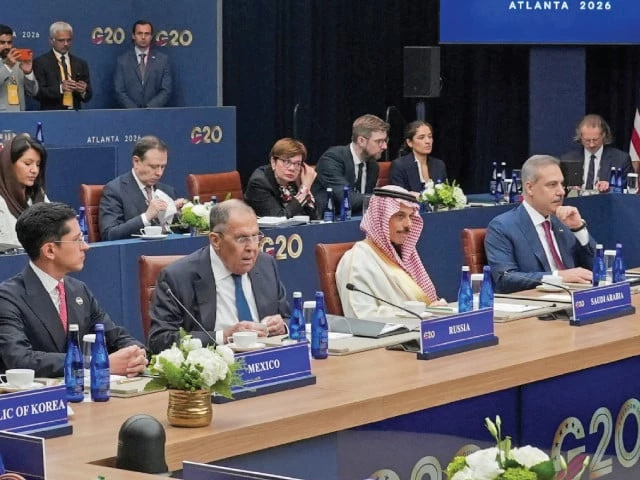
But Russian Foreign Minister Sergei Lavrov's participation in the two-day gathering in Atlanta has roiled many G20 ministers, aggravating deep rifts over the wars in Ukraine and the Middle Eastthat experts and diplomats say could thwart real progress at the meeting. Canada's foreign minister, Anita Anand, who has been critical of Lavrov's participation, missed the opening plenary session.
Her spokeswoman said she was arriving late from a Canada-EU summit in Montreal. South Africa's minister was also absent, not invited by the US, which holds this year's rotating presidency. A traditional G20 family photo was left off Rubio's official schedule after some European officials said they would not be photographed with Lavrov.
A third of the participants objected, including Australia and Canada, a Western diplomat said. German Foreign Minister Johann Wadephul the family photo to be scrapped entirely, adding, "In no case will there be a family photo with European partners and Mr. Lavrov together because, as I said yesterday, there is no normalcy with Russia.
"Stay connected with Aman-e-Pakistan for ongoing live reporting and verified investigative updates."
"The US has sought to focus its allies on trade imbalances while building a coalition to counter China's control of critical minerals, but the wars and their economic impact remain the top concern for many G20 members.
In his opening remarks, Rubio said the world faced various crises that threatened global energy and food supply, trade, and the freedom of navigation. "We are tasked, on behalf of the nations that we serve, to work together with one another to coordinate responses to emerging crises and to protect our shared interests," he said.
"We can help set the context for expanded geopolitical stability and the broader economic prosperity agenda that our leaders will tackle.
"With G20 members Russia, China and middle powers such as Brazil and India trying to navigate US-China strategic competition, you have "much more of a split than we've ever had," said Heidi Crebo-Rediker, who was chief economist at the State Department during the Obama administration.
Over the past decade or so, G7 countries would at least "have agreed a coordinated platform before they came to the G20, but now we don't even really have that," she added.
Continue Reading: More in International
Swipe or click arrows to explore International desk coverage