Iran Outlines Specific Conditions for Reopening the Strait of Hormuz
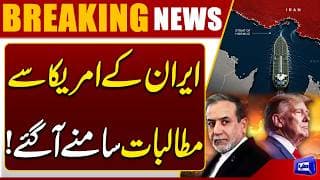
“The government of Iran has officially articulated a series of stringent conditions that must be met before it considers reopening the Strait of Hormuz to unrestricted international maritime traffic. T…”
This critical waterway, which serves as one of the world's most vital maritime chokepoints for global energy supplies, has become the center of a deepening geopolitical standoff.
Iranian officials have emphasized that the continued operation and accessibility of the strait are directly linked to the broader regional security environment and the cessation of what they describe as provocative external interference in the Persian Gulf.
By establishing these parameters, Tehran is signaling that it views the control of the strait as a strategic lever in its ongoing diplomatic and economic negotiations with international powers. The conditions set forth by Iranian authorities are multifaceted, touching upon both regional security arrangements and the lifting of international economic pressures that have historically constrained the nation's trade capabilities.
"Stay connected with Aman-e-Pakistan for ongoing live reporting and verified investigative updates."
Analysts suggest that this move is intended to force a reassessment of current maritime security policies in the region, which have been dominated by the presence of foreign naval forces.
The Iranian leadership maintains that the security of the Persian Gulf should be managed exclusively by the littoral states, arguing that the involvement of outside actors only serves to destabilize the region and complicate the transit of commercial vessels.
Furthermore, the declaration regarding the Strait of Hormuz comes at a time of heightened sensitivity regarding global oil prices and supply chain stability. Because a significant portion of the world's daily oil production passes through this narrow passage, any disruption or threat of closure carries immediate and severe implications for global energy markets.
Tehran has indicated that its decision-making process is contingent upon the willingness of international stakeholders to address these security concerns in a manner that respects Iranian sovereignty and regional interests.
The government has not provided a specific timeline for the implementation of these conditions, nor has it detailed the exact mechanisms for monitoring compliance, leaving the international community to navigate a period of significant uncertainty.
As diplomatic channels remain open, the focus has shifted toward whether these conditions can serve as a basis for a negotiated settlement or if they represent a hardening of positions that could lead to further escalation.
The international community is now closely observing how these demands will be received by global powers and what impact they will have on the future of maritime freedom in the region.
For now, the situation remains fluid, with the Strait of Hormuz serving as a focal point for the complex interplay of energy security, military posturing, and regional diplomacy that continues to define the geopolitical landscape of the Middle East.
The Iranian stance underscores the strategic importance of the waterway and the willingness of the state to utilize its geographical advantage to influence the international agenda, ensuring that the debate over the strait remains a central issue in global security discussions for the foreseeable future.
Written by Sheheryar Munawar
Aman-e-Pakistan Senior Journalist & Bureau Reporter
Continue Reading: More in International
Swipe or click arrows to explore International desk coverage