Turkish President Erdogan urges Trump to prioritize diplomacy in ongoing Iran tensions
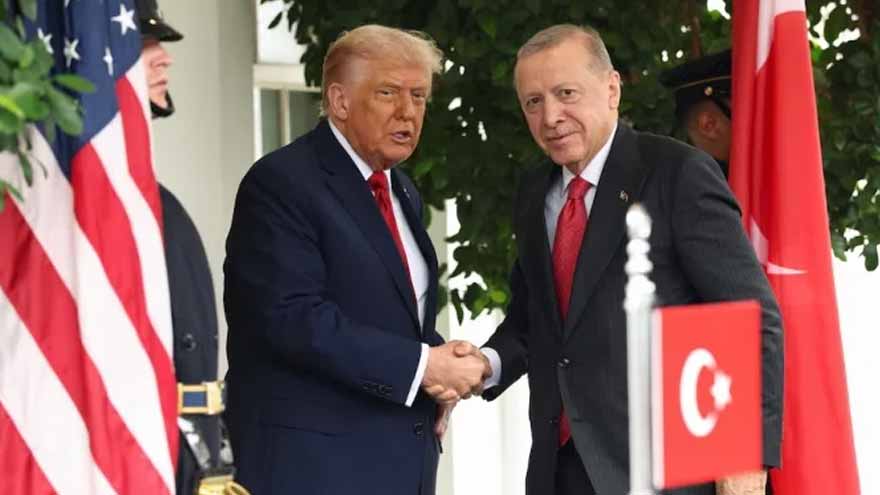
“Turkish President Tayyip Erdogan has formally urged United States President Donald Trump to prioritize diplomatic channels in managing the escalating tensions with Iran, emphasizing that the preservat…”
The appeal, communicated during a recent telephone conversation between the two leaders, underscores Turkey's ongoing efforts to serve as a critical intermediary in a conflict that has seen stalled negotiations and a significant breakdown in communication between Washington and Tehran.
The Turkish presidency confirmed the nature of the discussion on Tuesday, noting that President Erdogan stressed the vital importance of exhausting all diplomatic avenues to resolve the friction. Turkey, which maintains the second-largest military force within the NATO alliance and shares a direct border with Iran, has positioned itself as a central player in regional mediation.
Ankara has been in consistent contact with key stakeholders, including the United States, Iran, and regional mediators such as Pakistan and Qatar, in an attempt to de-escalate the situation.
"Stay connected with Aman-e-Pakistan for ongoing live reporting and verified investigative updates."
According to the official statement from the Turkish presidency, Erdogan expressed a firm hope that formal talks would resume, reiterating that Turkey remains fully committed to supporting any initiatives aimed at securing a lasting peace.
This diplomatic outreach follows a period of heightened volatility, marked by a senior Iranian official indicating that Tehran may shift toward a fully offensive military posture. This potential strategic pivot comes in response to the collapse of negotiations regarding a permanent end to the conflict and the United States' decision to decline an extension of a temporary ceasefire agreement.
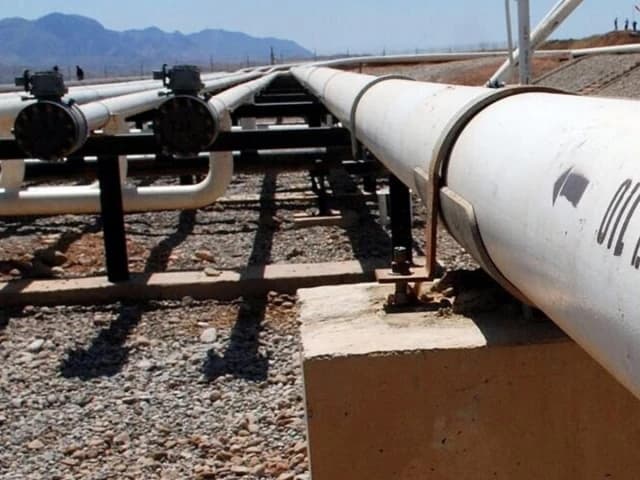
The geopolitical stakes are further complicated by the ongoing impasse regarding the resumption of oil tanker traffic through the strategic Strait of Hormuz, a critical artery for global energy supplies.
Turkey has adopted a nuanced position in the conflict, having previously criticized the military actions taken by the United States and Israel against Iran, while simultaneously condemning Iranian-led attacks on Gulf states. Ankara has consistently advocated for the immediate re-opening of the Strait of Hormuz to ensure the flow of commerce.
In parallel to these efforts, the Turkish foreign minister held discussions with his Iranian counterpart on Monday, focusing specifically on the logistics of re-opening the strait and the urgent need to reinstate a functional ceasefire. Beyond the immediate crisis with Iran, the conversation between Erdogan and Trump encompassed a broader range of bilateral and regional concerns.
The leaders addressed the ongoing war in Gaza, with President Erdogan highlighting his concerns regarding the intensification of Israeli military operations against Palestinians. Erdogan noted that this escalation has occurred at a sensitive juncture, specifically when the second phase of the Trump administration's Gaza Peace Plan was intended to be implemented.
Furthermore, the two leaders reviewed the details of a newly established defense pact involving Turkey, Saudi Arabia, and Pakistan. President Erdogan characterized this trilateral accord as a significant development, describing it as a demonstration of a strong, unified stance aimed at bolstering regional stability and long-term security.
While the Turkish presidency has provided a detailed account of the dialogue, the White House has not yet issued a formal response or comment regarding the specifics of the call.
As the situation remains fluid, the international community continues to watch for any signs of a breakthrough in the diplomatic deadlock between the United States and Iran, with Ankara signaling its readiness to facilitate further engagement to prevent the conflict from expanding.
Written by Iqra Aziz
Aman-e-Pakistan Senior Journalist & Bureau Reporter
Continue Reading: More in International
Swipe or click arrows to explore International desk coverage