Israeli airstrikes target Syrian airbase near Aleppo, drawing international condemnation
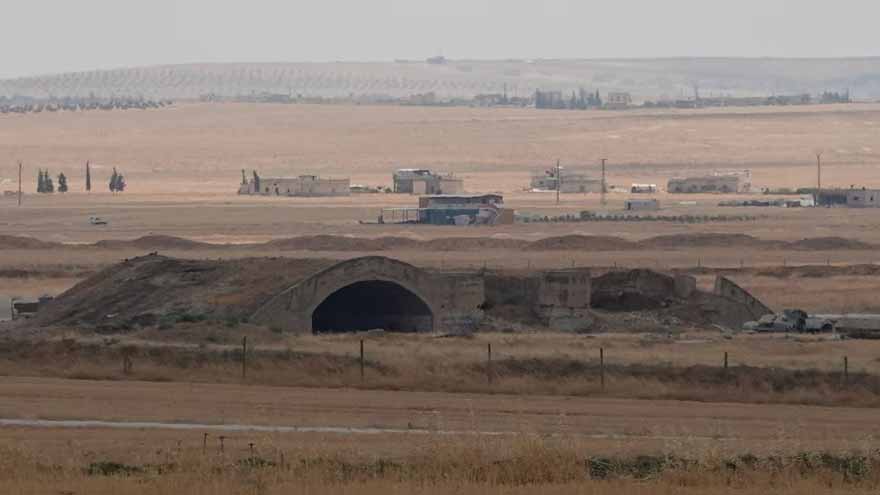
“Israeli military aircraft conducted a series of eight airstrikes on Tuesday targeting the Abu al-Duhur airbase in northwest Syria, marking a significant escalation in regional tensions. According to S…”
According to Syrian state-run Ekhbariya television, which cited military sources, the strikes specifically hit the base's runway and various storage facilities. Despite the intensity of the bombardment, local reports from civilians residing near the facility and additional military sources confirmed that there were no casualties resulting from the attack.
This operation represents the first time Israel has targeted Syrian government-associated assets since March, signaling a potential shift in the security dynamics of the region.
The Abu al-Duhur base, located approximately 70 kilometers east of the Turkish border, has a complex history, having been out of service as a dedicated military airfield since 2013 and changing hands multiple times throughout the 14-year civil war.
"Stay connected with Aman-e-Pakistan for ongoing live reporting and verified investigative updates."
The Israeli Prime Minister's office justified the action by claiming that Syria was on the verge of violating a long-standing security status quo. Specifically, the Israeli government alleged that Syria had permitted the deployment of Turkish troops at the airbase, a move Israel had previously warned would be considered a direct threat to its national security.
In a statement, the Prime Minister's office emphasized that Israel would not tolerate such threats, though it expressed a willingness to return to the previously established status quo if the alleged deployment were reversed. The strikes have drawn immediate and sharp criticism from the international community.
The Turkish Foreign Ministry issued a formal condemnation, asserting that the attacks were a clear violation of Syria's territorial unity and integrity. Turkey, which has emerged as a key ally to the new Syrian administration led by President Ahmed al-Sharaa, called upon the international community to adopt a more decisive stance against what it described as Israel's escalating aggression.
While the Turkish statement did not explicitly confirm the presence of its troops at the base, the rhetoric underscores the deepening rift between Ankara and Tel Aviv. Furthermore, the United States weighed in on the development, with Tom Barrack, the U.S. ambassador to Turkey and special envoy for Syria and Iraq, expressing deep concern.
Barrack characterized the airstrikes as an unnecessary escalation that fails to contribute to regional stability, urging all involved parties to prioritize diplomatic engagement and logical discourse over further military incidents. Syrian Foreign Minister Assad al-Shibani also addressed the situation during a press conference in Damascus alongside International Atomic Energy Agency chief Rafael Grossi.
Al-Shibani dismissed the security justifications provided by Israel, stating that the attacks lacked any legitimate basis. He affirmed that Syria would continue to pursue a diplomatic path to dissuade Israel from its current policy of military intervention.
The backdrop to this incident is a period of heightened suspicion, as Israel views the new Syrian leadership with caution due to their Islamist militant roots.
Despite President al-Sharaa's efforts to foster warmer ties with Western nations and his stated desire to reach a security agreement with Israel, the latter has maintained a firm stance against any perceived Islamist presence in its border zone.
Since the ousting of former President Bashar al-Assad in 2024, Israel has seized territory in southwest Syria and systematically targeted the remnants of the Syrian army's heavy equipment. As tensions continue to mount, the incident highlights the fragile state of regional security, particularly given the mutual defense pacts and shifting alliances involving Turkey, Syria, and other regional powers.
The international community remains watchful as the rhetoric between Jerusalem and Ankara continues to sharpen, threatening to undermine the fragile lines of communication established last year to prevent direct military incidents in the Syrian theater.
Written by Iqra Aziz
Aman-e-Pakistan Senior Journalist & Bureau Reporter
Continue Reading: More in International
Swipe or click arrows to explore International desk coverage