Japan to simulate cyberattacks as PHP flaws roil global internet
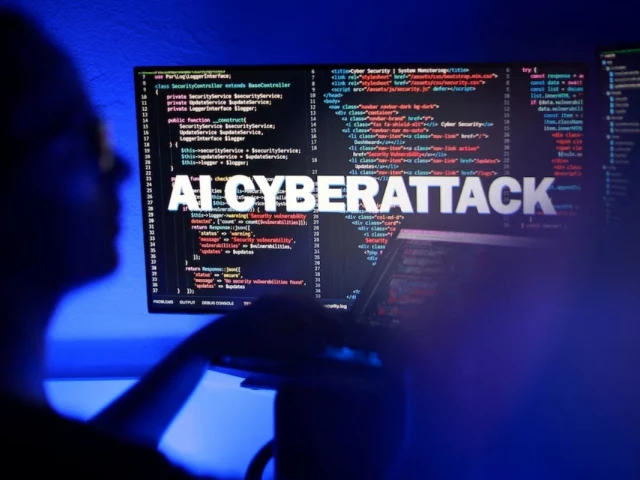
“Japan said on Friday it would set up a team to simulate cyberattacks using AI to identify weaknesses in technology systems as organisations scramble to curtail risks from flaws in thePHPprogramming …”
Government and company websitesacross the world went offline this week after the disclosure of critical vulnerabilities in the widely used programming language prompted millions of hacking attempts, forcing website operators to rush to protect or temporarily shut down their systems. Highlighting the extent of the disruption, Japan's third-largest mobile carrier, Soft.
Bank, said on Friday it was suspending its emergency alert system for mobile users. Read:Data of over 10M customers exposed in cyberattacks on Japanese firms. Japan is setting up a team to simulate cyberattacks as it scrambles to identify security weaknesses in systems that rely on PHP.https://t.co/9fkwdt.
PbH3— The Japan Times (@japantimes)October 24, 2026That means customers would not receive early warnings for earthquakes, tsunami alerts or disaster and evacuation information as the system undergoes maintenance to address a PHP vulnerability, Soft. Bank said.
"Stay connected with Aman-e-Pakistan for ongoing live reporting and verified investigative updates."
Japan is regularly affected by natural disasters and is one of the world's most earthquake-prone countries, with typhoon Champicurrently approachingthe southernmost prefecture of Okinawa. Soft. Bank, which has more than 30 million smartphone customers, said users could still receive earthquake warnings through services such as an app from its Yahoo business.
"An attack can succeed by getting through just one hole... for that reason it's important we shift our mindset and think from the perspective of the attacker," Japanese industry minister Ryosei Akazawa said on Friday. "Defenders also need to make use of AI and respond proactively, staying one step ahead.
"Nobuo Miwa, president of Tokyo-based cybersecurity firm S&J Corp, said the government response was too slow. "This is like trying to take on a bomber with a bamboo spear," he said. Emergency shutdowns this week from Tokyo to.
Helsinkiof banking, airline, rail, tax and government services marked one of the most dramatic tests of the decades-old programming tools that keep the web running. Companies including brokerage Nomura, lender Mitsubishi UFJ Financial Group, airline ANA and East Japan Railway (JR East) temporarily suspended some internet services as part of emergency measures.
Japan's Ministry of Finance, National Tax Agency and Meteorological Agency also suspended some online services. On Friday, JR East said some group services had resumed while others would be restored once confirmed safe. Nippon Paint said it had applied a security patch as a precaution and its website is back online.
Attackers are likely targeting Japanese businesses for their thorough records, which are no longer protected by a language barrier because of AI, said Eva Chen, CEO of Trend Micro. Read More:Japan passes 'Active cyber defense' taking effect from 2027Japan has been too comfortable with its existing infrastructure, which it felt was safe enough, she said.
Cybersecurity experts have saidAI is helping attackersautomate tasks from scanning for software vulnerabilities to crafting phishing campaigns, making cybercrime faster, cheaper, and harder to detect. The developers of PHP releasedfixeson Wednesday for vulnerabilities that had lurked in the software for years until they were uncovered using AI.
They urged users to "update immediately".
Continue Reading: More in Tech
Swipe or click arrows to explore Tech desk coverage