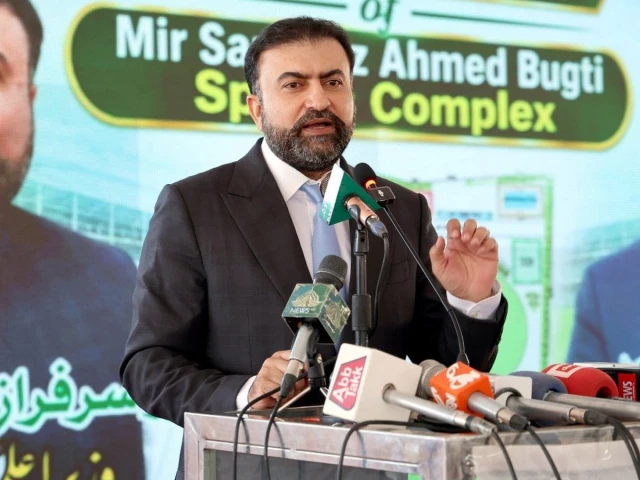
Khawaja Asif advises Mohsin Naqvi against using threatening language towards politicians
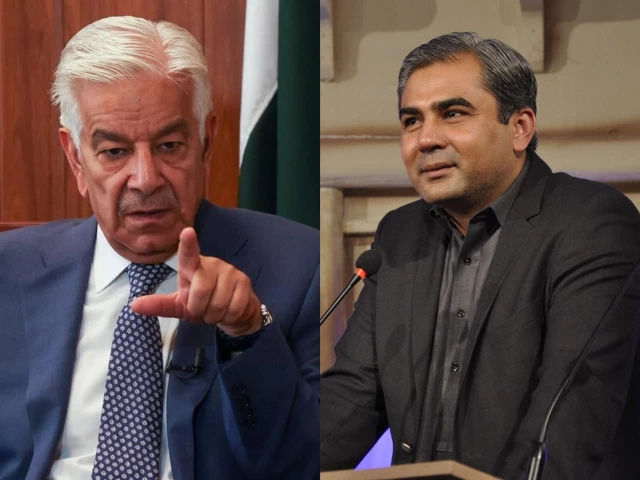
“Defence Minister Khawaja Asif on Tuesday advised Interior Minister Mohsin Naqvi against using threatening language towards politicians, saying such remarks had no place in political discourse and that…”
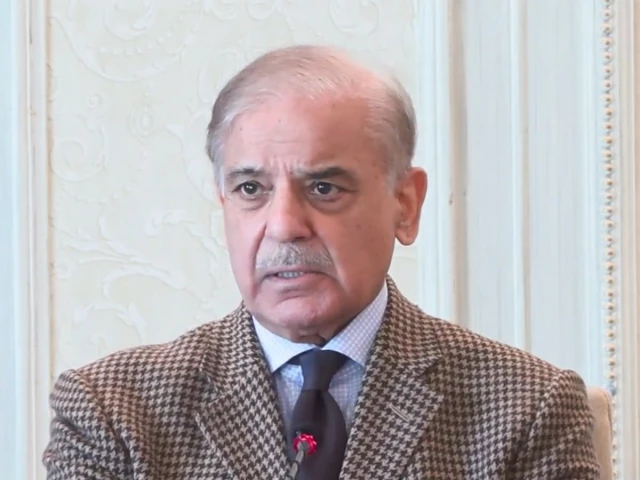
His remarks came amid anescalatingwar of words between Naqvi and Pakistan Muslim League-Nawaz (PML-N) leader Rana Sanaullah, prompting Prime Minister Shehbaz Sharif tointerveneand urge cabinet members to resolve their differences. “Statements against one another must stop completely,” the prime minister said, calling on federal cabinet members to settle their differences through mutual understanding and consensus.
Speaking on a private television programme, Aaj Shahzeb Khanzada Kay Sath, Asif criticised the threatening tone adopted by Naqvi towards Sanaullah, saying it was inappropriate for political discourse. “I use very harsh language, and harsh language is also used against me, but threatening someone is not political language,” he said.
Addressing Naqvi directly, Asif said he was advising him, like a son, against resorting to threats and urged him to focus instead on political criticism. “If we falter somewhere, criticise us. You can criticise us not once but 10 times.
"Stay connected with Aman-e-Pakistan for ongoing live reporting and verified investigative updates."
But threatening language — saying that if I speak, you will not be able to show your face — is not appropriate,” he said. Asif also praised Sanaullah's services as a political worker, saying he had endured considerable hardships during the tenures of former military ruler Pervez Musharraf and former prime minister Imran Khan.
“He is my colleague, and I have personally witnessed the difficulties he has faced,” the defence minister said. Read More:Khawaja Asif comes out in support of Rana Sanaullah amid political row. He added that those who had struggled for the political system and sought to bring positive changes to the country's politics deserved respect.
“Being close to the corridors of power does not mean you can trample over people and move ahead,” he said. Responding to a question about Pakistan Peoples Party (PPP) Chairman Bilawal Bhutto-Zardari's assertion that the 27th Constitutional Amendment had been passed under pressure, Asif expressed surprise and questioned who had benefited the most from the legislation.
“The biggest beneficiary of the amendment was President Asif Ali Zardari. He has been granted lifetime immunity. The amendment revolved around the person of the president.
If someone says that we were forced or coerced into doing this, it is political dishonesty,” he said. Asked whether he remained optimistic about holding a referendum on the creation of new provinces at the beginning of the new year despite the prevailing political tensions, Asif said he still believed it was possible.
“I am still optimistic that whatever happens will be in the country's best interest. There can be compromises on the agenda being pursued, and a way forward can be found. But it will happen, God willing,” he said.
The defence minister agreed with Sanaullah that the prevailing situation had caused discomfort among political parties but maintained that such developments were not unusual in politics. “This is nothing new in politics. Such things keep happening every second or third day,” he said.
Asif said politics should be understood as the art of the possible, adding that difficulties, whether arising naturally or deliberately created, had to be resolved. Also Read:Naqvi warns fellow minister against repeated criticism.
The disagreement between ministers datesback to July, when Naqvi, speaking at the Pakistan Economic Summit in Islamabad, argued that the country's existing governance system had effectively collapsed and called for an administrative restructuring. His remarks drewcriticismfrom Sanaullah, who questioned the choice of forum and argued that such a debate should have begun in parliament.
The exchange sharpened over the weekend when Naqvi, without naming Sanaullah, warned that acabinet colleaguewho had been criticising him for the past two-and-a-half years would not be able to show his face if he responded. He also defended businessmen who had attended the economic summit, questioning why political parties accepted their financial contributions if they considered them problematic.
Sanaullah hit back on Monday, acknowledging that Naqvi was referring to him and saying he would welcome any response from the interior minister. Heaccused. Naqvi of turning the debate into a controversy by raising it at the wrong forum and failing to bring the Pakistan Peoples Party leadership on board despite having four months to do so.
Calling the handling of the matter a "total failure", Sanaullah maintained that the question of creating new provinces should be taken to parliament, where political consensus could be built. He also rejected the suggestion that Naqvi's warning would silence him, saying he had the right to express his views as a political worker and cabinet colleague.
The proposal for new provinces has drawn differing responses from political parties, with the PPPstrongly opposingany move to divide Sindh, while the MQM-P has continued to advocate the creation of additional provinces, particularly in the province. The Sindh Assembly also passed a resolution on September 4 rejecting attempts to divide the province or alter its geographical boundaries.
Meanwhile, Asif hassupportedthe idea of creating as many as 12 provinces, arguing that smaller administrative units could improve governance and service delivery. The demand for new provinces is longstanding, with calls for separate provincial status in South Punjab, Bahawalpur and Hazara based on arguments concerning administrative convenience, political representation and development disparities.
The Punjab Assembly had previously passed resolutions supporting the creation of South Punjab and the restoration of Bahawalpur province in 2012, but the proposals did not translate into constitutional changes.
Written by Sheheryar Munawar
Aman-e-Pakistan Senior Journalist & Bureau Reporter
Continue Reading: More in National
Swipe or click arrows to explore National desk coverage