Pakistan tests extended-range Fatah-2 hypersonic missile: ISPR
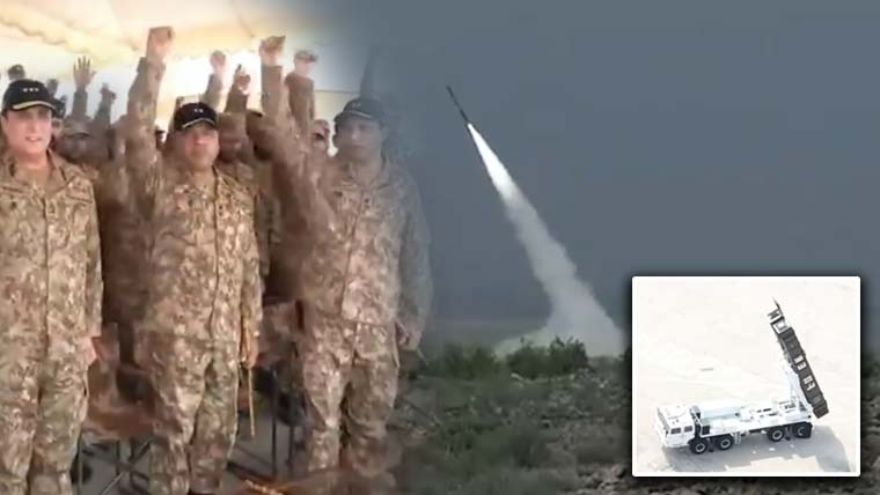
“Pakistan Army tests the extended-range Fatah-2 missile, with the ISPR highlighting its advanced navigation, precision targeting and manoeuvrability. RAWALPINDI (…”
RRAWALPINDI —Pakistan’s army has conducted a successful test launch of the extended-range version of its Fatah-2 missile system, with the military saying the weapon features advanced navigation, modern avionics and enhanced capabilities to engage targets at greater distances.
In a press release, the Inter-Services Public Relations (ISPR), the military’s media wing, said the test of the Fatah-2 Extended Range (ER) was conducted on Tuesday. The system is designed to strike targets with high precision, while its trajectory and manoeuvrability are intended to help it overcome enemy missile defence systems.
Enhanced capabilities. According to the ISPR, the Fatah-2 ER incorporates advanced navigation technology and state-of-the-art avionics to support its targeting capabilities. Its extended range is expected to increase the Pakistan Army’s reach and capacity to engage targets deeper within an adversary’s territory.
"Stay connected with Aman-e-Pakistan for ongoing live reporting and verified investigative updates."
The military also highlighted the missile’s distinctive trajectory and manoeuvrability, which it said would enhance its ability to penetrate opposing missile defence systems. The ISPR did not disclose the missile’s precise range, the distance covered during the test or other technical details of the launch in its announcement.
Officials witness test. The launch was witnessed by the Commander of the Army Rocket Force Command (ARFC), senior Pakistan Army officers, and scientists and engineers involved in the weapon system’s development. The ARFC commander praised the dedication and technical expertise of the scientists and engineers following the successful test, ’s statement.
President Asif Ali Zardari, Prime Minister Shehbaz Sharif, the Chief of Army Staff and Chief of Defence Forces, and the services chiefs congratulated the scientists and engineers on the successful test launch, the ISPR said. The announcement did not provide further details about the missile’s operational deployment or the timeline for its induction into service.
Continue Reading: More in National
Swipe or click arrows to explore National desk coverage