Qatari LNG cargo reaches Karachi amid Strait of Hormuz tensions
“Pakistan received a fresh LNG shipment from Qatar on Thursday, with the cargo reaching Port Qasim after navigating the strategically important Strait of Hormuz amid heightened tensions in the region. T…”
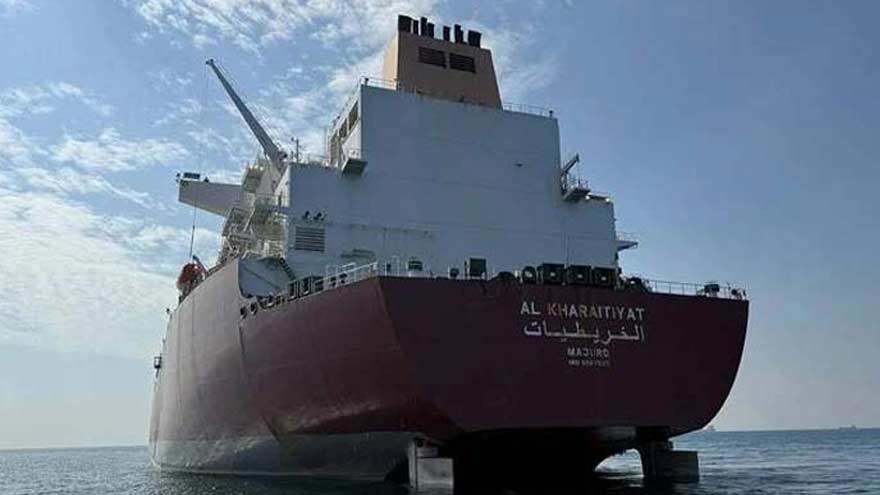
The LNG carrier Al Marrouna, carrying approximately 81,936 metric tonnes of liquefied natural gas from Qatar’s Ras Laffan terminal, crossed the Strait of Hormuz on September 7 under Pakistan’s government-to-government arrangement with Qatar. The shipment is expected to offer temporary relief to Pakistan’s power sector, which has been experiencing six to 12 hours of loadshedding in parts of the country.
The cargo was reportedly secured at a price equivalent to 13.37% of Brent. The vessel’s safe passage has also attracted attention in international LNG markets, as it could ease concerns over a prolonged disruption to Qatari gas supplies through the Strait of Hormuz.
The development has exerted downward pressure on Asian benchmark Platts JKM and Northwest European LNG prices. The arrival comes against the backdrop of escalating tensions in the region, which have disrupted shipping activity through the Strait.
"Stay connected with Aman-e-Pakistan for ongoing live reporting and verified investigative updates."
Concerns over the security of the key waterway have increased insurance costs and raised fears of further interruptions to global energy supplies. For Pakistan, the shipment is particularly important as it is reportedly the first Qatari LNG cargo to leave the Persian Gulf since tensions around the Strait intensified in July.
Meanwhile, Pakistan LNG Limited (PLL) has cancelled a spot LNG tender issued on September 5 that was scheduled to be opened on September 8. Although the successful arrival of the Qatari cargo provides some immediate relief, it does not eliminate concerns over Pakistan’s future LNG supplies.
Any renewed disruption to shipping through the Strait could increase procurement costs, strain energy security and affect electricity generation. Qatar has meanwhile been working to limit its exposure to risks associated with the Hormuz chokepoint by maintaining diplomatic engagement with Iran and strengthening relations across the region.
The country remains a major LNG supplier and continues to play a role in regional diplomatic efforts.
Continue Reading: More in National
Swipe or click arrows to explore National desk coverage