Sindh records country's biggest rainfall deficit
“Sindh remained Pakistan's driest province during this year's monsoon season, receiving 50.8% less rainfall than normal. Karachi recorded an exceptional 92% deficit in rainfall from July to September, …”
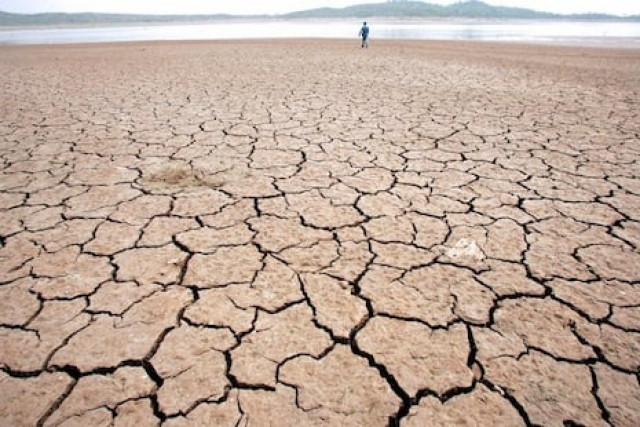
The PMD data showed that Pakistan received a total of 120.5 millimetres of rainfall between July 1 and September 30, which was 19.3% below the normal level for the period. Sindh received only 71.1mm of rainfall during the three-month monsoon period, 50.8% below normal, making it the province with the lowest rainfall during the season.
Karachi experienced an even more pronounced shortfall, with rainfall during the monsoon season remaining 92% below normal. Balochistan also recorded significantly below-normal rainfall, with a deficit of 33.7%, followed by Azad Jammu and Kashmir with 18.4%, Khyber-Pakhtunkhwa with 16.3% and Punjab with 3.8% less rainfall than normal.
Gilgit-Baltistan was the only region in the country to receive above-normal rainfall during the monsoon season. The region recorded rainfall 4.6% above its normal level., the formation and effects of the El Nino climate pattern were major meteorological factors contributing to this year's below-normal monsoon rainfall.
"Stay connected with Aman-e-Pakistan for ongoing live reporting and verified investigative updates."
The department had earlier indicated that the development of El Nino could weaken monsoon activity over South Asia. El Nino causes changes in global and regional weather systems, which can influence the intensity and distribution of monsoon rainfall across South Asia.
The PMD said that monsoon rainfall was also significantly below normal in Pakistan's neighbouring countries this year. The rainfall deficit has implications for water availability, agriculture and weather patterns across the country, particularly in Sindh, where the shortfall was most pronounced.
Moreover after many years, Pakistan is bracing for a water shortage of around 25 per cent during the Rabi season starting this week, raising concerns about food security next year as wheat is the season's main crop.
Continue Reading: More in National
Swipe or click arrows to explore National desk coverage