Foreign reserves grow to $26.8b
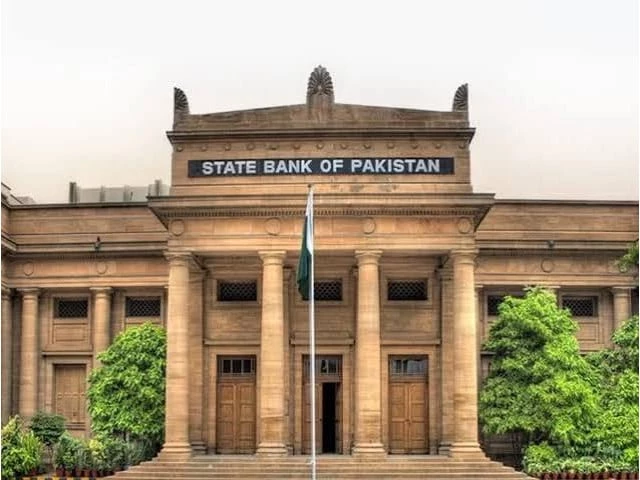
“Pakistan's total liquid foreign reserves stood at $26.8 billion as of September 25, 2026, State Bank of Pakistan (SBP). During the week, the SBP's foreign reserves increased by $39 million to reach $21…”
Furthermore, the Pakistani rupee closed slightly higher at 277.10 against the US dollar, registering a marginal gain of Rs0.01 compared to the previous session's close at 277.11. Internationally, the greenback held near a two-month high, bolstered by rising US Treasury yields amid ongoing global inflation concerns linked to the Middle East conflict.
Meanwhile, gold prices in Pakistan fell on Thursday, tracking the impact of a recent decline in international bullion prices, with the precious metal losing Rs3,000 per tola during the day. All-Pakistan Gems and Jewellers Sarafa Association, the gold price per tola settled at Rs438,636, compared with Rs441,636 on Wednesday.
The price of 10-gram gold declined by Rs2,572 to Rs376,059. On Wednesday, gold had gained Rs4,300 per tola in the local market.
"Stay connected with Aman-e-Pakistan for ongoing live reporting and verified investigative updates."
In the international market, spot gold was largely steady on Thursday as pressure from a stronger US dollar and elevated US Treasury yields was offset by softer-than-expected US inflation data, which reduced expectations of a Federal Reserve rate hike in October.
Spot gold edged up 0.1% to $4,159.11 per ounce by 11:17 am EDT (1517 GMT), while US gold futures for December delivery rose 0.1% to $4,189.30,. Despite Thursday's modest recovery, gold prices declined more than 6% in September.
Meanwhile, silver prices in the local market fell Rs50 per tola to Rs6,528. Gold has remained above the $4,000-an-ounce level despite elevated US Treasury yields. The resilience reflects continued demand for the precious metal, although its traditional relationship with rates and the US dollar has weakened in recent years.
Gold, which does not generate any yield, typically comes under pressure when real yields rise because higher-yielding assets become more attractive. Historically, the rates and movements in the US dollar were among the major factors influencing bullion prices.
Continue Reading: More in National
Swipe or click arrows to explore National desk coverage