Senate panel proposes twice-yearly MDCAT
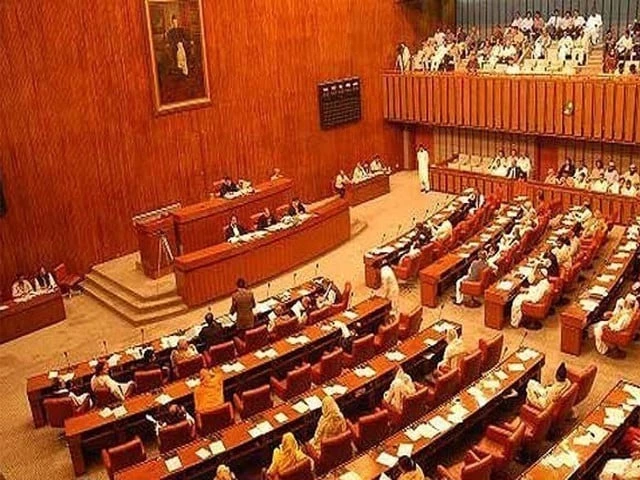
“A subcommittee of the Senate Standing Committee on Health has recommended major reforms to the Medical and Dental College Admission Test (MDCAT) and the medical college admission system, including hol…”
The recommendations were made in a report prepared by the subcommittee comprising Convenor Senator Anusha Rahman, Senator Samina Zehri and Senator Jahanzeb. The report said the admission system should reduce reliance on a single examination for determining a student's future.
It recommended giving students a second opportunity to appear in MDCAT in the same year so that failure in one attempt does not result in the loss of an entire academic year. The subcommittee also recommended examining the possible impact of introducing negative marking in MDCAT and allowing test results to remain valid for up to three years.
It stressed that the date of the examination should be announced well in advance and should not be changed except in extraordinary circumstances. The report called for a formal complaints and review mechanism for ambiguous, incorrect or controversial questions in MDCAT.
"Stay connected with Aman-e-Pakistan for ongoing live reporting and verified investigative updates."
It said students should not have to depend on private academies for months merely to prepare for the examination. It also stressed the need to make MDCAT equally fair for students coming from different educational backgrounds, including FSc, Cambridge O/A Levels and International Baccalaureate (IB) systems.
For this purpose, it recommended involving experts from the intermediate system, O/A Levels and IB systems in the preparation of the MDCAT syllabus.
The report also raised important questions about the number of available medical college seats and the pool of candidates., around 169,520 candidates appeared in MDCAT in 2024, of whom approximately 16,648 qualified, while the total number of medical and dental seats in the country stood at around 22,300.
The subcommittee termed the situation in which the number of eligible candidates was lower than the available seats an important issue requiring consideration in admission policy.
It recommended preparing a five-year plan to increase medical college seats, gradually expanding seats in public-sector medical colleges and creating more opportunities for medical education in underdeveloped regions, including Balochistan and Azad Jammu and Kashmir. The report noted that more than 40,000 qualified Pakistani doctors had moved abroad for employment in recent years.
It questioned the policy of keeping access to medical education restricted despite the country's need for doctors and called for a comprehensive policy to expand the medical workforce. It also recommended reviewing the heavy fee structure of private medical colleges, increasing financial assistance for deserving students and ensuring effective utilisation of vacant medical seats.
The subcommittee proposed a permanent relief mechanism for MDCAT candidates affected by floods, natural disasters and security situations, saying this would eliminate the need for separate decisions every year during emergencies.
Continue Reading: More in National
Swipe or click arrows to explore National desk coverage