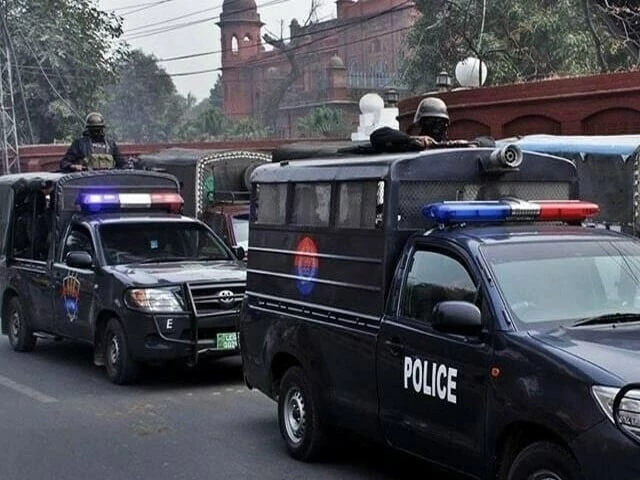
Islamabad prepares for key ECO meeting
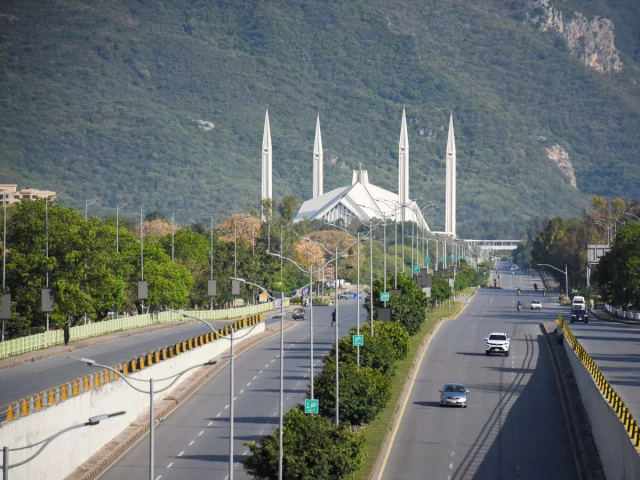
“The regional security situation and simmering geopolitical tensions, which are hampering greater economic cooperation, are expected to feature prominently at the upcoming Economic Cooperation Organisa…”
The gathering will be closely watched as Iranian Foreign Minister Abbas Araghchi is expected to travel to Pakistan for the meeting, at a time when Islamabad is navigating its diplomatic engagement with Tehran and Washington amid continuing tensions in the Middle East.
Araghchi's expected visit could provide an opportunity for discussions on the evolving regional situation, including the US-Iran confrontation, security of energy supplies and the broader implications of instability in the Gulf. He is also expected to hold bilateral meetings with Prime Minister Shehbaz Sharif and Deputy Prime Minister and Foreign Minister Ishaq Dar,.
The ECO meeting comes against the backdrop of heightened regional tensions that have already affected the organisation's planned activities in Pakistan. An ECO interior ministers' meeting, scheduled to take place in Islamabad in late October, was postponed amid the prevailing regional situation.
"Stay connected with Aman-e-Pakistan for ongoing live reporting and verified investigative updates."
The postponement underlined the extent to which geopolitical developments and security concerns are affecting regional diplomatic engagements. While the Council of Ministers meeting will primarily focus on economic cooperation, trade and regional connectivity, the wider security environment is expected to remain an important consideration for participating countries.
Pakistan has played a diplomatic role in facilitating engagement between Washington and Tehran and has sought to keep communication channels open as tensions threaten regional stability and international energy supplies. Araghchi's presence in Islamabad could provide an opportunity for the two sides to exchange views on these developments.
The meeting also comes at a critical juncture for Pakistan's relations with Afghanistan. Islamabad has repeatedly called on the Taliban authorities to prevent terrorist groups, particularly the banned Tehreek-e-Taliban Pakistan (TTP), from using Afghan territory to launch attacks inside Pakistan.
Afghanistan is among the 10 member states of the ECO, whose membership also includes Iran, Turkiye, Azerbaijan and five Central Asian republics. The state of Pakistan-Afghanistan relations and the broader regional security situation are likely to remain relevant to discussions about the organisation's future priorities.
There is no clarity yet whether Afghanistan will be invited to the ECO meeting. Pakistan is chairing the ECO for 202627 and is expected to use the opportunity to push its regional economic and connectivity agenda.
Islamabad has long sought to position itself as a gateway for landlocked Central Asian countries to access regional and international markets through Pakistani seaports. However, the current state of ties with Taliban regime and closure of Pakistan-Afghan border is undermining those efforts.
Despite considerable potential, progress towards regional economic integration has remained limited by political differences, security challenges, inadequate infrastructure and the absence of effective cross-border trade arrangements. Established in 1985 by Pakistan, Iran and Turkiye, the ECO expanded in 1992 to include Afghanistan, Azerbaijan, Kazakhstan, Kyrgyzstan, Tajikistan, Turkmenistan and Uzbekistan.
The organisation aims to promote economic development through closer cooperation in trade, transport, energy and investment. For Pakistan, the upcoming ministerial meeting will provide an opportunity to translate its geographical position and diplomatic outreach into practical regional cooperation.
The challenge will be to ensure that political and security differences do not continue to undermine the economic objectives of the organisation.
Continue Reading: More in National
Swipe or click arrows to explore National desk coverage