Streets after sunset
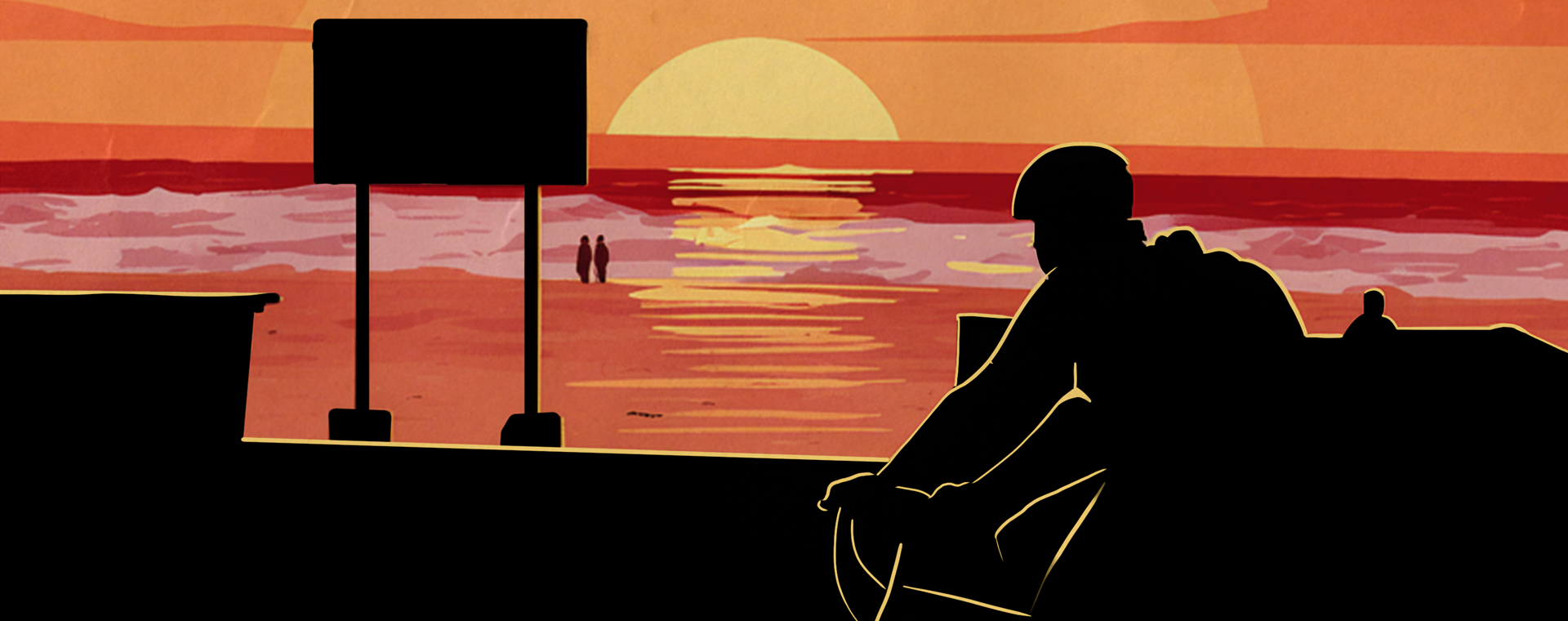
“Back to Tribune. HomeT-Magazine. Streets after sunsetT-Magazine. Next Story. Streets after sunset. When the working day ends, cyclists, runners, photographers and food lovers take to the streets to rediscover K…”
Back to Tribune. HomeT-Magazine. Streets after sunsetT-Magazine. Next Story. Streets after sunset. When the working day ends, cyclists, runners, photographers and food lovers take to the streets to rediscover Karachi. By. Nabil Tahir|Design by: Anusha NasirfacebooktwitterwhatsuplinkdedemailPUBLISHED
October 11, 2026Jahangir Ahmed was already thinking about the tea stop when his bicycle tyre gave way. The group had been riding for nearly two hours and was approaching Burns Road when a piece of glass brought him to a halt.
He pulled up near a closed shop and got off to inspect the damage. It was after 11pm. Around 25 cyclists had set out that evening, and Jahangir wasn't particularly pleased about being the reason some of them now had to stop.
"Stay connected with Aman-e-Pakistan for ongoing live reporting and verified investigative updates."
He hadn't even opened his saddlebag when two cyclists came over. Tariq, a retired engineer, turned the bicycle upside down while Ali, a university student, got to work on the tyre. They replaced the tube and had the bicycle ready to go within minutes.
An older man who had been sitting outside a paan shop nearby had apparently been watching them. He walked over with three cups of chai. “You guys are working hard, here have some tea,” he said.
Jahangir remembers sitting at the curb with the others, drinking tea and talking to a man who was a stranger to them. It wasn't what he had expected from an evening that had begun as an ordinary bicycle ride.
Jahangir works as a senior financial analyst at a corporate office on I.I. Chundrigar Road which is quite busy during the day. His official working hours end at 6pm, although he says he rarely leaves before 7pm. By the time he gets home, there is usually little energy left for anything else.
Yet on some evenings, he changes into his cycling clothes and heads out again, sometimes not returning until after midnight and often revisiting the same street where his office is located. At night the road in the heart of Saddar is quiet and peaceful, with no signs of the chaotic daytime scenes.
The ride that ended with tea outside a paan shop was one of his journeys through Karachi, a city he had spent years travelling through without paying much attention to what lay beyond his usual routes. Why the night?
Jahangir had not intended to become a night cyclist. He bought his first hybrid bicycle about three years ago, hoping to ride on weekend mornings. But after a working week that could stretch to 60 hours, getting out of bed at 5:30am was easier planned than done.
The bicycle remained on his apartment balcony, gathering dust. A colleague eventually ride organised by a Karachi-based group. Jahangir wasn't convinced.
Riding a bicycle on the city's roads after dark seemed an unnecessary risk, particularly with traffic accidents and street crime to worry about. Still, he bought a rear light and joined a group of around 15 riders near Do Darya at 9:30pm. He has been cycling at night ever since.
For Danish Shakeel, who has been involved in organising group rides since around 2009–10, the choice of timing was initially practical. A handful of friends wanted to cycle regularly, but daytime traffic and the heat made it difficult to enjoy the activity.
Their early rides attracted eight to 10 people, some arriving on old bicycles that had been sitting unused at home. Shakeel says weekend night rides can now attract between 50 and more than 150 cyclists, depending on the weather and route.
The participants are not all fitness enthusiasts. Students ride alongside doctors, lawyers, office workers and older cyclists. Some own expensive road bicycles, while others use rented bikes.
A typical ride begins with a briefing and equipment checks before the group sets off for 15 to 30 kilometres. Experienced riders lead from the front, while others remain at the back to make sure nobody falls behind.
There is usually a stop for chai or something to eat. “Fitness might be what gets people to sign up for their first ride, but the community and the experience are what keep them coming back,” says Shakeel.
For Jahangir, that means leaving home again at around 8:45pm after dinner and time with his family. He may not return until midnight, with another working day waiting the following morning. Yet he finds it easier to make time for those two hours than for an early-morning ride.
The city beyond familiar routes. Muneeb Butt doesn't always know where he will end up when he leaves home with his camera. Sometimes he has a particular street or neighbourhood in mind.
On other nights, he simply starts walking and sees what catches his attention. Known as The Karachi Guy, Butt has spent years photographing the city's streets, buildings and everyday life. Saddar is among the places he returns to most often, not only for its old architecture but for the people and businesses that give the area its character.
“I think the best thing about street photography is that you can't plan everything,” he says. “You can plan to photograph a location, but you can't plan the moments that happen there.”For Butt, walking makes a difference.
From a car, he says, the journey is mostly about reaching a destination. On foot, there is time to notice shopkeepers closing their businesses, workers making their way home and the smaller details of streets that motorists might overlook.
But he doesn't necessarily find the city quieter at night. Some roads remain crowded well past midnight, while dangerous driving and broken infrastructure are just as much a part of what he encounters as the people and buildings he photographs.
Kabir bin Akmal has found another reason to venture into unfamiliar neighbourhoods: food. About four years ago, he and his friends grew tired of spending their weekends at the same cafés in Clifton and DHA.
A late-night suggestion to try nihari at Burns Road instead led to what has become a regular weekend outing. Their group of five calls itself The Midnight Shift. Each week, a different member chooses the destination, subject to three rules: no chain restaurants, the place must be open after midnight and it must be at least 10 km from home.
The outings have taken them from bun kababs in Nazimabad to food stalls in Hussainabad, Ranchore Line and Guru Mandir. They also ask delivery riders, rickshaw drivers and security guards where they eat after finishing late shifts.
“Food was just the hook; the real discovery was the city's human geography,” Akmal says. Where Butt stops to photograph an ordinary street scene, Akmal might pull up a chair at a roadside stall. Neither needs a major attraction or a planned event to make the journey worthwhile.
Sometimes, the reason to go out is simply to see what is happening somewhere else. Who gets to enjoy the city after dark? There are parts of the city Ghazala Moin would love to run through at night.
Saddar is one of them. She imagines passing Empress Market and Frere Hall when the shops have closed and the roads are less crowded. But she has never made those streets part of her late-night running routine.
For her, the risks outweigh the appeal. Moin, a digital product strategist, has been running at night for about two years. She had tried waking up at 5:30am to exercise, but it was difficult to sustain alongside her work.
Running in the early evening was hardly appealing either, particularly during the hotter months. One evening, she went out at around 9:30pm for a short run near her home. The weather was pleasant, there was a breeze and she found herself enjoying something that had begun to feel like a chore.
These days, she runs three or four nights a week, usually for 45 minutes to an hour. On her own, she stays within familiar, well-lit residential streets in DHA. The longer routes are reserved for weekends when she can run with others.
“The group acts as a key to the city,” she said. “It gives us the collective confidence to explore routes like Old Clifton, Gizri, or the broader coastal roads that I would never dream of running through alone at 10pm.”There have been uncomfortable moments.
Men on motorcycles have slowed down to stare or pass comments. She no longer wears noise-cancelling headphones while running outside, preferring to remain aware of approaching vehicles and people around her. Her brother receives her live location whenever she goes out.
Her parents were initially alarmed by the idea of their daughter going for a run at 9:30pm. They have become more supportive, although Moin still avoids running alone after 10:30pm. Cycling groups face some of the same concerns. Shakeel says women join his rides regularly, but attracting more remains difficult.
His organisers insist on helmets and lights, with experienced riders positioned at the front and back of the group. Even so, broken streetlights, potholes and unpredictable drivers remain a problem. For Moin, running is about having some time and space of her own after work.
But the streets she chooses, and those she avoids, are a reminder that enjoying the city at night is not quite the same as being free to go anywhere. A city seen differently. Butt doesn't always know where he is going when he leaves home with his camera.
Sometimes he has a particular street in mind. On other nights, he walks until something catches his attention. He might stop to take snaps of an old building, a shopkeeper closing his day's business or something happening on a street he has photographed many times before.
Saddar is one place he keeps returning to. The architecture, signboards and shops interest him, but so do the people who occupy those streets long after others have gone home. “Karachi doesn't really stop after sunset.
It just changes,” said Butt, who documents the city through his photography page, The Karachi Guy. He has seen shopkeepers making their last sales, workers heading home and tea stalls crowded late into the night.
Not every street becomes quiet once the shops close. Some remain busy even at 2am. And he isn't particularly interested in making everything look attractive.
Walking with a camera has made him notice the broken roads, dangerous driving and difficulties people face getting around. He believes those things deserve to be photographed too. “I can love Karachi and still be critical of it.
In fact, I think documenting it honestly means doing both,” said Butt. Akmal's weekend outings began with a rather different complaint. He and his friends were tired of spending Friday nights eating expensive burgers at the same cafés in Clifton and DHA.One night, someone suggested going to Burns Road for nihari instead.
They went, enjoyed themselves and decided to make a habit of visiting places outside their usual neighbourhoods. Four years later, the five friends still take turns choosing where to eat. They still call their outings The Midnight Shift and they still follow the three rules they set for choosing an eatery.
They have since eaten their way through Hussainabad, Nazimabad and Ranchore Line, often following recommendations from delivery riders and people working night shifts. “Food was just the hook; the real discovery was the city's human geography,” said Akmal.
The outings have introduced him to people and neighbourhoods he previously knew mostly by name. The ride home. By the time Jahangir and the other cyclists left Burns Road, it was well past 11pm. There were still several kilometres to cover before he could call it a night.
His legs were beginning to ache, but the puncture and the unexpected tea stop had given everyone something to talk about on the way back. They rode south towards Clifton. Jahangir remembers the wind against his face and the sound of bicycle wheels as the group settled into a steady pace.
There was little conversation now. Everyone seemed content to keep pedalling. He reached his apartment at around 12:15am.
His wife and daughter were asleep. He carried his bicycle upstairs, his hands still smelling faintly of chain grease and cardamom from the evening's unexpected stop. The next morning would bring the familiar journey to I.I.
Chundrigar Road, another day of reports, meetings and traffic. None of that had changed. But for a few hours, Jahangir had been somewhere other than his office or his home, doing something that had no connection to deadlines or work.
And on another Tuesday or Thursday, once the day's responsibilities are out of the way, he would take his bicycle out again. Pages. Pakistan.
Business. World. Opinion.
Life & Style. Sports. Blogs.
Videos. Our Sites. Express News.
Urdu E-Paper. English E-Paper. Sindhi E-Paper.
Cricket Pakistan. Express Live. Campus Guru.
Express Entertainment. Food Tribune. About Us.
Contact Us. Online Advertising. Privacy Policy.
Copyright. Fuel Prices Pakistan. Gold Prices Pakistan.
Prayer Timing Pakistan. Weather Forecast Pakistanfollow us
Continue Reading: More in National
Swipe or click arrows to explore National desk coverage