Wheat policy fixes price at Rs4,500
“The federal government has formulated a National Wheat Policy after nearly four decades and fixed the wheat price at Rs4,500 per maund following extensive consultations with all provincial governments…”
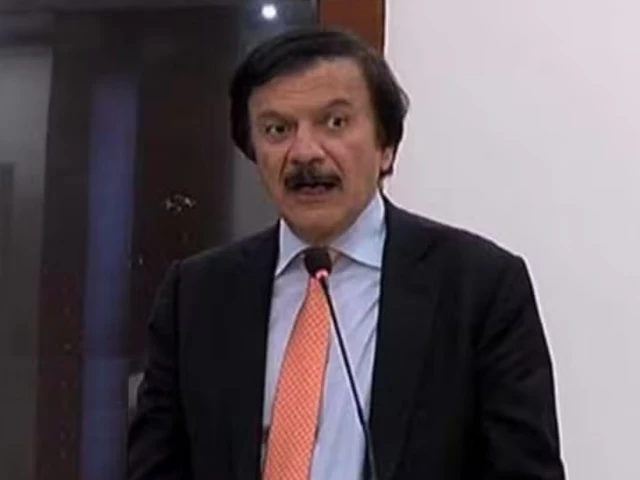
Addressing a press conference in Islamabad, accompanied by Pakistan Kissan Ittehad President Khalid Mahmood Khokhar, the minister said the government, under Prime Minister Shehbaz Sharif, was taking comprehensive measures to strengthen agricultural productivity, improve market regulation and ensure the availability of essential food commodities, Monday.
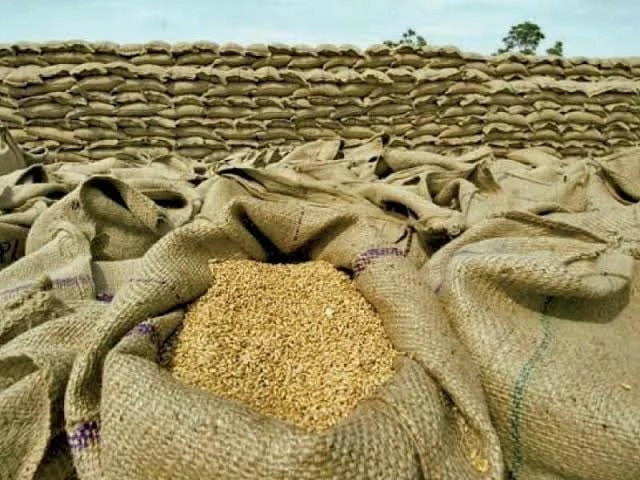
Highlighting the food security strategy, he announced that strategic wheat reserves of up to six million metric tonnes would be maintained during the current year to ensure uninterrupted supplies and protect the country against potential market disruptions, and categorically stated there would be no shortage of wheat this year as adequate arrangements had been made to meet national requirements.
Imported wheat would also cost approximately Rs4,500 per maund, he said, making domestic procurement the more suitable option, and he reiterated that the government would prioritise Pakistani farmers rather than rely unnecessarily on imports.
"Stay connected with Aman-e-Pakistan for ongoing live reporting and verified investigative updates."
More than 1.3 million metric tonnes of wheat had been provided to the provinces from the stocks of the Pakistan Agricultural Storage and Services Corporation, he said, adding that arrangements could be made to import up to 550,000 metric tonnes in accordance with provincial requirements and demand.
Expressing concern over recent fluctuations in prices, the minister described the prevailing hike as artificial and manipulated by certain market elements, maintained that sufficient stocks were available and expressed confidence that prices would return to normal within the next few days.
He said the government was closely monitoring market developments and would take necessary measures to discourage artificial shortages, speculative practices and unjustified price increases.
On broader reforms, he said policies relating to seeds, olives and biotechnology had also been formulated to modernise the agricultural sector, improve crop productivity and encourage innovation, and that ensuring quality seeds, promoting modern technologies and improving regulatory mechanisms were essential to raise productivity and reduce farmers' production costs.
He said agriculture remained the backbone of the economy and that sustainable agricultural development was indispensable for national economic stability, rural prosperity and long-term food security. Khokhar appreciated the decision to fix the price at Rs4,500 per maund, welcomed the consultation process and acknowledged the importance of providing farmers with a predictable and reasonable price for their produce.
Continue Reading: More in National
Swipe or click arrows to explore National desk coverage