Raids, shutdowns, warning labels — India's unprecedented food safety push
“India is witnessing an unprecedented food safety crackdown, with regulators forcing many local eateries and branded restaurants to suspend operations, while a push for front-of-pack warning labels has…”
Here's an explainer on why food safety is suddenly in the spotlight in India. Why is food safety a challenge in India? Consumers in India, the world's most populous nation, have long complained about poor hygiene at restaurants and cafes, while food adulteration scandals frequently go viral on social media.
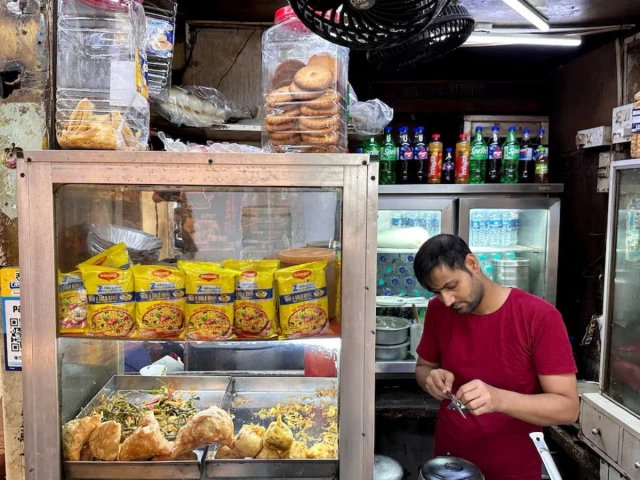
Street-food stalls, patronised by millions of Indians, are also often criticised for inadequate hygiene. Since 2020, food inspectors have tested more than 100,000 samples annually, with roughly one in five found to be unsafe, substandard or lacking proper labels, government data shows.
Nearly 8,000 food business licences have been cancelled in the last three years. "In a country of 1.4 billion people consuming nearly 1.5 trillion meals every year, ensuring food safety is a monumental task," the Food Safety and Standards Authority of India (FSSAI) said last month.
"Stay connected with Aman-e-Pakistan for ongoing live reporting and verified investigative updates."
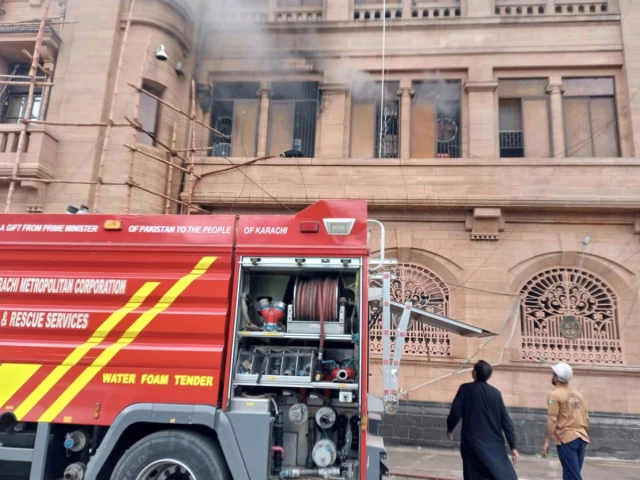
Why is regulatory action in the news? The FSSAI and some state regulators have intensified checks, releasing regular public updates including photos and videos of raids that have drawn widespread attention online. Food safety raids continue across Bengaluru amid growing concerns over food quality.
Health officials raided multiple warehouses and establishments, seizing food products worth lakhs of rupees that were expired or improperly labelled.@aksharadm6joins@Prathibhatweetswith…pic.twitter.com/BAeA8NBbb9— TIMES NOW (@Times. Now)September 8, 2026In one recent video, FSSAI showed inspectors raiding an unhygienic facility in northern Uttar Pradesh state and seizing 1,300 kilogrammes of adulterated cottage cheese, or paneer, which is hugely popular in India among vegetarians.
The regulator has also taken action against some liquor firms, including Diageo, forimproperlabelling, as well asenergy drink makerslike Red Bull over how they promote the products. Why is one state food safety chief getting celebrity status?
The most prominent food safety official is. Tukaram Mundhe, food commissioner of Maharashtra state, whose inspections have targeted outlets operated by. Domino's, Pizza Hut and Mc.
Donald'sas well as upscale clubs and restaurants in and around Mumbai, the state capital. His surprise raids and licence suspensions have drawn widespread public support, with authorities regularly publishing details of enforcement actions. Food safety is public health.
Every food-safety violation is not merely a regulatory breach; it can put someone’s health, safety and life at risk. Food safety cannot be achieved without public awareness and stakeholder compliance.#Tukaram. Mundhe#Public.
Healthpic.twitter.com/g1E5aHAYaw— Tukaram Mundhe (@Tukaram_IndIAS)September 7, 2026One of his most high-profile operations came late last month when his teamraided a warehousewhere expiry dates and nutritional information were being faked on labels of food products manufactured by Pepsi. Co, Nestle, Coca-Cola and Unilever for exports.
Canada has said it is assessing anyrisk to imports. Indian authorities raided an illegal operation in Mumbai that faked expiry dates and nutritional information on original food product labels. Now, the country's plans for food labels are leaving both industry and activists unhappy.
Aditya Kalra reportshttps://t.co/wkKVTdXOhdpic.twitter.com/3pOQ0t. TxR3— Reuters Business (@Reuters. Biz)September 2, 2026How is India pushing for front-of-pack warning labels despite industry lobbying?
India has debated front-of-pack warning labels for years to flag high content of sugar, salt and fat, like those implemented in Chile and Mexico. But the measure has repeatedly stalled amid industry opposition. Pressure has intensified recently from health advocates, social media influencers and a Supreme Court case seeking stronger disclosure requirements.
AReutersstory in August also added to public anger and debate after it revealed India hadyielded to industry lobbyingin March when Coca-Cola and groups backing Nestle opposed warning labels. FSSAI has now proposed ared hexagonalstamp on labels for food products that are high in any two or more nutrients — saturated fat, sugar or salt.
Why are activists and industry both opposed to the proposal? The proposal has drawncriticismfrom both industry and public health advocates. Food industry executives told.
Reutersthat the proposed thresholds for sugar, fat and salt are too strict and could result in warning labels appearing on a large share of packaged foods. A CEO of an Indian food firm said: "Everything will be red.
"An industry group representing snack and confectionery manufacturers said it was "deeply concerned" because sugar, salt and fat are integral ingredients in many traditional products, and warned prominent warnings on labels could hurt sales.
Health advocates, meanwhile, argue the proposal is too lenient because warnings would be required only when two or more nutrients exceed prescribed limits, creating what they describe as an "industry-friendly loophole" that disregardspublic health. India's Supreme Court is scheduled to review the proposal on September 10.
Continue Reading: More in Business
Swipe or click arrows to explore Business desk coverage

 Business
Filmmaker Tigmanshu Dhulia discusses ‘Dhurandhar’, says Indian cinema lacks strong storylines
 Business