US and Canada fall deeper into a trade war with new tariffs
“US and Canada fall deeper into a trade war with new tariffs as talks collapse and blame is spreadWASHINGTON () — The United States and Canada, historic allies a…”
US and Canada fall deeper into a trade war with new tariffs as talks collapse and blame is spreadWASHINGTON () — The United States and Canada, historic allies along an undefended border, fell deeper into a trade war Saturday marked by angry recriminations and new tariffs that are expected to raise prices for products in both countries.
Each side blamed the other for the collapse of negotiations in Washington late Friday, leading the U.S.
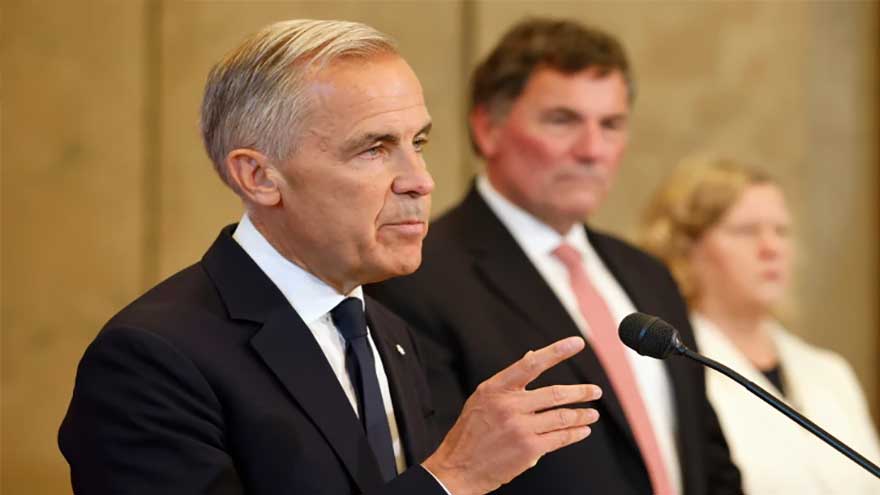
Whatever the eventual outcome, a loss of trust seems one of the earliest casualties. Carney accused Washington of using “economic integration as a weapon” and said “its signature was written in pencil.” Resorting to the language of battle, he said his country had been “attacked” by the new American tariffs.
"Stay connected with Aman-e-Pakistan for ongoing live reporting and verified investigative updates."
added last-minute terms that would have reduced tariff relief for Canadian-made vehicles, restricted Canada’s ability to strike trade deals with other countries and weakened protections for language, culture and sovereignty.
He said such demands were “unacceptable.”The breakdown in negotiations marked a sharp reversal from two days earlier, when officials from the two countries sounded as if they were headed toward a compromise. Ontario Premier Doug Ford, who leads Canada’s most populous province, praised Carney for rejecting the deal, saying it would have hurt Ontario’s auto, steel and manufacturing sectors.
tariffs. The moves also call into question the future of a North American trade agreement covering the United States, Canada and Mexico that is crucial to industry in all three countries.
Carney said the breakdown was “certainly not good news” for the review of that agreement and that the failed negotiations had given Canada “a new perspective” on what Washington wants from the broader economic relationship. The political impact will likely be even bigger than the economic fallout.
The 5,525-mile U.S.-Canada border is undefended, and nearly 330,000 people and $2 billion worth of goods cross it every day; 800,000 Canadians live in the United States. Trump’s approach to dealing with Canada marks an extraordinary departure from the traditionally cooperative relationship between the two countries.
Trump has imposed tariffs on Canadian goods in a push to bring manufacturing back to the United States and made inflammatory comments about turning Canada into America’s 51st state. Carney said Canada had recognized that “America has changed” and that the two countries would “not return to our old relationship.”The Canadian public is fed up.
companies, warned the tariffs and retaliation risk “raising costs for American businesses and families” and disrupting vital supply chains, and urged both governments to resume negotiations. Trump has made tariffs the centerpiece of his second-term economic agenda.
The justices struck down the trade penalties and set the stage for the federal government to pay refunds to importers. So Trump has looked for other legal authority to justify tariffs. After the Supreme Court struck down much of Trump’s earlier tariff program in February, the administration turned to other legal authorities.
Written by Sajal Ali
Aman-e-Pakistan Senior Journalist & Bureau Reporter
Continue Reading: More in Business
Swipe or click arrows to explore Business desk coverage