Fuel hikes outweigh cuts under daily pricing
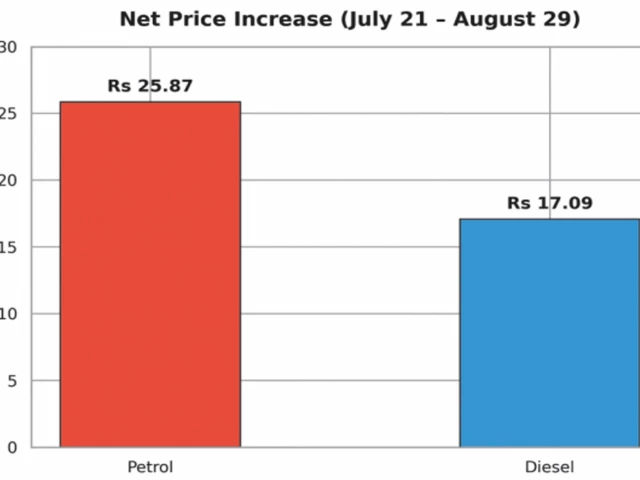
“Despite a string of cuts since the government introduced daily pricing, petrol has ended up Rs25.87 per litre costlier, while diesel has also recorded a net increase of Rs17.09, an analysis of price c…”
By August 29, the price of petrol had risen by a net Rs25.87 per litre, while diesel had become Rs17.09 per litre more expensive, changes made under the daily pricing mechanism. The daily mechanism for determining petroleum product prices was introduced on July 21.
Since then, prices of petrol and diesel have been increased and reduced several times, but both products have recorded an overall increase., petrol prices were increased 15 times and reduced 12 times between the introduction of the mechanism and August 29.
During this period, the cumulative increase in petrol prices amounted to Rs44.67 per litre, while the total reduction stood at Rs18.80 per litre. Consequently, petrol recorded a net increase of Rs25.87 per litre under the daily pricing mechanism.
"Stay connected with Aman-e-Pakistan for ongoing live reporting and verified investigative updates."
Similarly, diesel prices were increased 18 times and reduced nine times during the same period. The cumulative increase in diesel prices amounted to Rs62.26 per litre, while the total reduction stood at Rs45.17 per litre, resulting in a net increase of Rs17.09 per litre.
The data shows that despite multiple reductions in petrol and diesel prices at different points since the introduction of the daily pricing mechanism, both products have ultimately become more expensive. It is pertinent to note that the introduction of frequent fuel-price revisions has also raised concerns about the uncertainty it creates for consumers and businesses.
While the mechanism allows prices to respond more quickly to changes in international oil prices and other costs, repeated increases can make it difficult for transport operators, traders and households to plan their monthly expenses. Critics of higher petroleum prices argue that their impact extends well beyond motorists.
Fuel is a major input for road transport and logistics, meaning an increase in petrol and diesel prices can raise the cost of transporting agricultural produce, food items and other essential goods. Higher transport costs can subsequently feed into prices across the wider economy.
The burden is particularly significant for households dependent on public transport and for workers whose incomes are closely tied to daily travel. Any increase in fares or freight charges can therefore translate into higher household expenditure even for people who do not own vehicles.
The issue is also likely to remain a source of pressure on the government, particularly if successive increases outweigh the reductions announced under the new mechanism. Transporters, traders and other affected groups have responded to sharp fuel-price increases with demands for fare adjustments and calls for protests and strikes.
Written by Madiha Imam
Aman-e-Pakistan Senior Journalist & Bureau Reporter
Continue Reading: More in Business
Swipe or click arrows to explore Business desk coverage