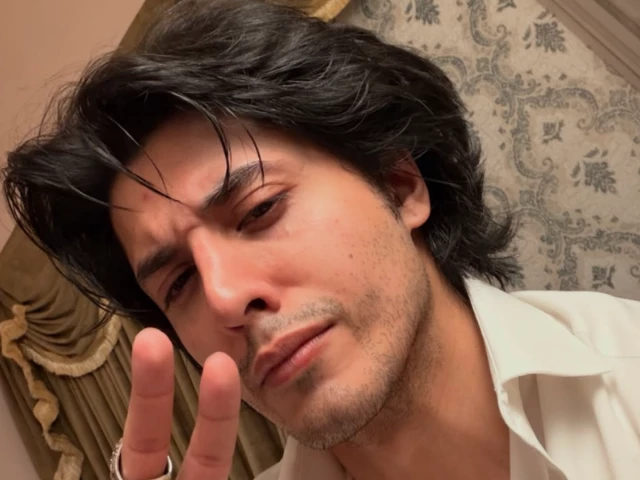
Faysal Quraishi, Hareem Farooq raise concerns over alleged paid campaign against 'Mango Jutt'
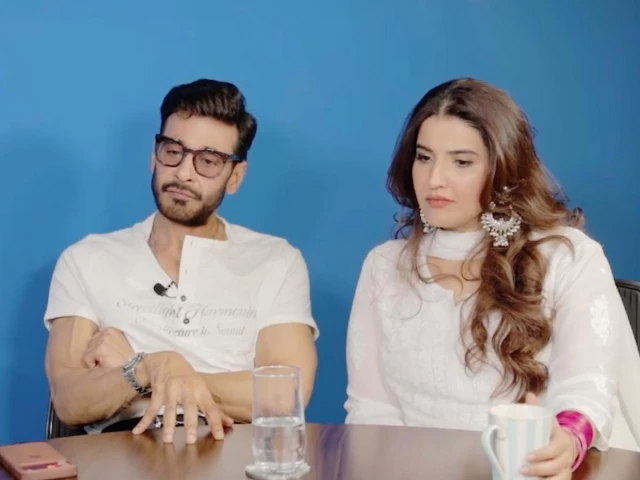
“Actors Faysal Quraishi and Hareem Farooq have raised concerns over alleged paid negative publicity targeting their Punjabi-language film. Mango Jutt, arguing that coordinated online narratives could hur…”
Quraishi addressed the issue in an Instagram video, questioning the practice of publishing negative reviews without watching a film and warning that paid propaganda could undermine the industry’s efforts to bring audiences back to cinemas.
In his video, he questioned the broader consequences of what he described as paid propaganda, asking how many people were being harmed by those pursuing their own gains. “Because it is a negative thing, which has been fed [to them], you’re saying the same thing.
But seriously, while focused on your gains, how many people are you harming?” he said. The actor also questioned the speed with which some reviews appeared after a film’s release, contrasting them with the approach of critics who took time to watch a production before assessing it.
"Stay connected with Aman-e-Pakistan for ongoing live reporting and verified investigative updates."
“I know a lot of such serious film critics who wait for two to three days, for Friday, Saturday and Sunday to pass, before writing a review. But when there’s paid propaganda, the reviews start pouring in from the next day,” he said.
View this post on Instagram. Quraishi maintained that a film’s commercial fate should ultimately be determined by audiences, acknowledging that mixed responses were a normal part of cinema. He argued that differences in taste should not be confused with deliberately manufactured negativity.
“Paid propaganda against anything, whether it’s a drama or a film, causes loss to the industry. We [already] have a very small industry,” he said. He also highlighted the financial considerations involved in going to the cinema, suggesting that misleading or coordinated online narratives could further undermine moviegoers’ confidence in their choices.
Meanwhile, Farooq, who produced and stars in the film, shared screenshots on Instagram that appeared to raise questions about whether some negative posts about the film had been paid for. In a separate Instagram post, Farooq highlighted reports that several cinemas had dropped the film, while others had reduced its showtimes or moved screenings away from prime-time slots.
The post attributed the reported decline to competition from Hollywood releases and negative word of mouth. View this post on Instagram. Screenshots shared in connection with the discussion included an exchange about whether a negative post concerning the film was paid content.
One message asked, “And is it a paid post?” The reply was affirmative, followed by the question, “Will you share the cost or budget?”As both the film’s producer and a lead actor, Farooq has a direct stake in its performance.
However, the concerns raised by the screenshots also touch on a wider challenge for filmmakers: distinguishing genuine audience feedback from content that may be commercially motivated. Negative reviews remain a legitimate part of film culture, and audiences are entitled to express disappointment with a production.
The concern raised by the actors is whether criticism is being presented as independent opinion when payment or coordination may be involved.
Continue Reading: More in Business
Swipe or click arrows to explore Business desk coverage