SMEDA expands MSME support through finance, export and e-commerce initiatives
“SMEDA is expanding its three-year plan to help MSMEs access finance, formalise, export and reach global markets, including through Alibaba.com. LAHORE (Web Desk)…”
LLAHORE —The Small and Medium Enterprises Development Authority (SMEDA) has stepped up its efforts to strengthen Pakistan’s entrepreneurial ecosystem, rolling out an expanded set of interventions for micro, small and medium enterprises (MSMEs) under a three-year Business Plan (2025-28). The plan covers access to finance, business formalisation, export readiness, links with international markets and climate-smart business practices.
It aligns with the Ministry of Industries and Production’s strategic direction and the government’s vision of an export-oriented, inclusive economy. Officials say SMEDA is moving beyond isolated support schemes towards an integrated approach aimed at helping businesses overcome barriers, improve competitiveness and tap meaningful opportunities.
Recognising that sustainable MSME growth requires coordinated action, the authority is working with government institutions, financial regulators, banks, development partners, industry associations and the private sector. Access to finance. Access to finance remains among the most persistent constraints.
"Stay connected with Aman-e-Pakistan for ongoing live reporting and verified investigative updates."
Many viable enterprises struggle to obtain credit because of inadequate documentation, insufficient collateral, low awareness of banking products or difficulty meeting banks’ assessment requirements. Prime Minister Shehbaz Sharif has directed that SME financing be raised to Rs2.2 trillion by 2028, providing a national framework to address the problem.
SMEDA’s role, officials say, goes beyond encouraging banks to lend. It has launched initiatives to improve enterprises’ readiness for financing, raise awareness of financial products and close information gaps that complicate lending decisions.
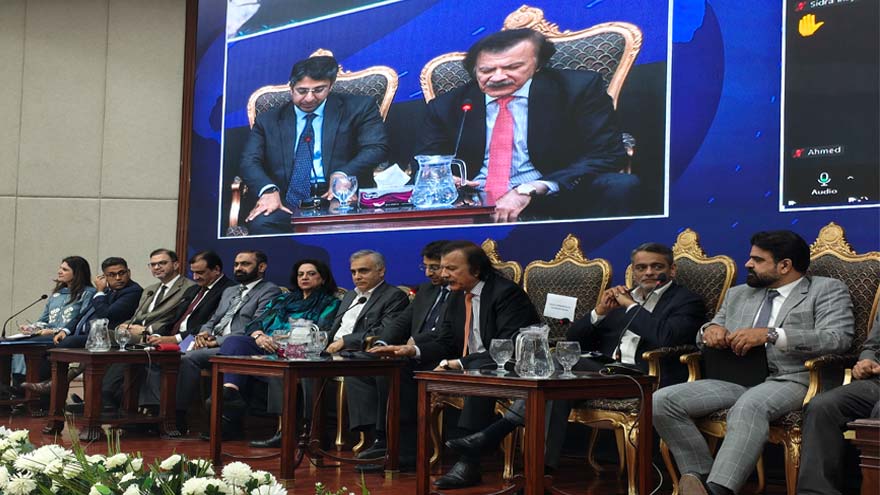
These include financial literacy sessions, information on banking products, assistance with documentation through countrywide help desks, and credit-related assessment and facilitation mechanisms to help lenders make informed decisions. A recent high-level session on access to finance at the Prime Minister’s Office brought the experiences of MSMEs, particularly women entrepreneurs, into the discussion on financing barriers and solutions.
Officials say the objective is not merely to raise lending volumes but to enable viable businesses to expand and create jobs. Formalisation and digital outreach. Formalisation is a foundational pillar of the plan.
SMEDA is simplifying information and explaining the processes involved in setting up and developing a formal enterprise. Its SME Registration Portal (SMERP) offers a digital channel for registration support and access to business services.
The emphasis, officials say, is on helping entrepreneurs understand the practical benefits of formalisation, including improved credibility, access to support programmes and greater readiness to deal with banks, buyers and institutional partners.
The wider reform agenda also envisages expanded outreach, effective digital platforms and business guidance, along with plans to develop AI-enabled assistance in local languages for entrepreneurs in underserved areas. Export readiness and global marketsSMEDA is also working to make businesses export-ready by addressing difficulties in identifying overseas buyers, understanding market requirements, meeting international standards, improving quality and financing necessary investments.
Its Export Assistance Program helps businesses assess their preparedness for international markets, build capabilities and tackle practical barriers to exporting. The “SME Certification, International Accreditation and Quality Improvement Program” has already helped several SMEs across the country obtain globally recognised certifications.
The project is meant to strengthen compliance, help firms meet buyer requirements and build credibility abroad. The authority is likewise promoting linkages between small enterprises and large manufacturers through value-chain integration and subcontracting. By connecting MSMEs with anchor firms and helping them improve capacity, quality and compliance, these interventions seek to bring smaller businesses into organised supply chains.
SMEDA’s recent collaboration with Alibaba.com marks a step towards helping MSMEs go beyond an online presence to build direct commercial relationships, understand international demand and access global networks.
Building on a strategic cooperation framework signed during Prime Minister Shehbaz Sharif’s visit to China in May 2026, the programme envisages training 10,000 Pakistani MSMEs and facilitating the onboarding of up to 2,000 eligible businesses on the platform. Eligible firms may receive reimbursement-based financial assistance of up to Rs150,000, along with onboarding facilitation and technical guidance.
Women entrepreneurs and clusters. Women entrepreneurs and microenterprises remain a key focus. SMEDA has developed Pakistan’s first National Women Entrepreneurship Policy and Action Plan, a framework to strengthen women’s participation in business.
It is also working on a Women Entrepreneurship Portal (WEP) that will offer business information, training resources, expert guidance and networking opportunities. Cluster development is also getting greater attention.
Following the success of the “Made in Pakistan - SME Cluster Showcase 2026”, which highlighted the diversity and potential of MSME clusters, SMEDA has begun work on a second edition planned for January 2027. The event aims to promote Pakistani products, facilitate market access and connect enterprises with stakeholders.
At the institutional level, SMEDA’s ongoing reforms and organisational strengthening are meant to improve its ability to deliver services more effectively and extend its reach across Pakistan. Officials say these combined efforts are intended to help MSMEs grow, create jobs and contribute more to exports.
Continue Reading: More in Business
Swipe or click arrows to explore Business desk coverage