Pakistan faces potential LPG supply crisis amid security volatility in Balochistan
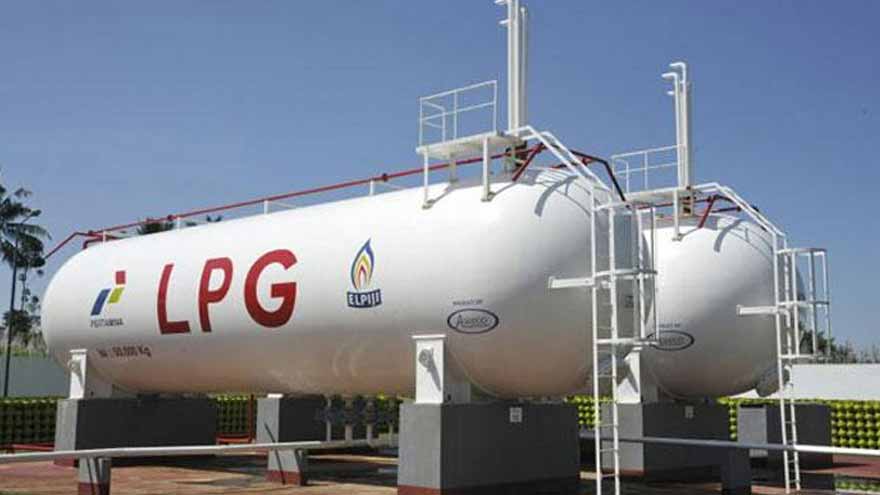
“Pakistan is bracing for a potential shortage of Liquefied Petroleum Gas (LPG) as escalating security concerns in Balochistan threaten to cripple critical supply chains. The Oil and Gas Regulatory Auth…”
The Oil and Gas Regulatory Authority (OGRA) has issued a formal warning indicating that the current instability, marked by targeted attacks on fuel transport vehicles, is creating significant uncertainty regarding the import and domestic distribution of this essential cooking fuel.
According to internal documents, the security situation along the vital Quetta-Nushki-Dalbandin-Taftan corridor has deteriorated, leading to a reluctance among major importers to continue operations on these routes. This corridor serves as the primary artery for LPG entering the country from border regions, and any sustained disruption poses a direct threat to the national energy supply.
The regulator has emphasized that the recurring incidents, which include the destruction of LPG tankers, have resulted in substantial financial losses and operational paralysis. OGRA is now calling for urgent, coordinated security interventions to safeguard these strategic routes, warning that failure to stabilize the region will inevitably lead to severe supply chain bottlenecks and further inflationary pressure on consumer prices.
"Stay connected with Aman-e-Pakistan for ongoing live reporting and verified investigative updates."
The gravity of the situation is underscored by the country's heavy reliance on imported fuel; Pakistan requires approximately two million tonnes of LPG annually to meet its energy needs. While domestic production accounts for roughly 30 percent of this total, the remaining 70 percent must be imported, with the vast majority of these shipments arriving via land routes through Balochistan.
Consequently, the vulnerability of these transit paths directly dictates the stability of the entire market. The economic impact is already becoming visible, as LPG prices were recently adjusted upward by Rs12.89, bringing the regulated rate to Rs254.32 per kilogramme.
However, reports from the field suggest that consumers in various regions are already facing significantly higher costs in the open market, reflecting the underlying supply anxieties.
The situation has drawn the attention of legislative bodies, with Customs officials informing the Senate Standing Committee that between 30 and 40 petroleum and LPG tankers have been targeted in Balochistan over the past three months alone. These attacks have resulted in estimated financial losses exceeding Rs2 billion.
While authorities have attempted to mitigate the risk by mandating that petroleum products be transported in security-escorted convoys, the persistence of these assaults has highlighted the limitations of current protective measures. Customs officials acknowledged that while convoys have provided a temporary buffer, they do not represent a long-term solution to the systemic security challenges plaguing the province.
The reliance on LPG is particularly acute in Pakistan, where only 28 to 30 percent of the population has access to piped natural gas. For the vast majority of households, LPG serves as the primary alternative for cooking and heating, making any fluctuation in availability or cost a matter of significant public concern.
As the government weighs its options, the consensus among energy experts and regulators is that without a comprehensive and permanent resolution to the security threats in Balochistan, the country remains at high risk of experiencing both acute supply shortages and further price volatility.
The need for inter-institutional coordination remains paramount to prevent a broader market collapse that could disproportionately affect low-income households reliant on this fuel source. The coming weeks will be critical as authorities attempt to balance the necessity of maintaining energy flows with the harsh realities of the security landscape in the region.
Written by Fawad Khan
Aman-e-Pakistan Senior Journalist & Bureau Reporter
Continue Reading: More in Business
Swipe or click arrows to explore Business desk coverage