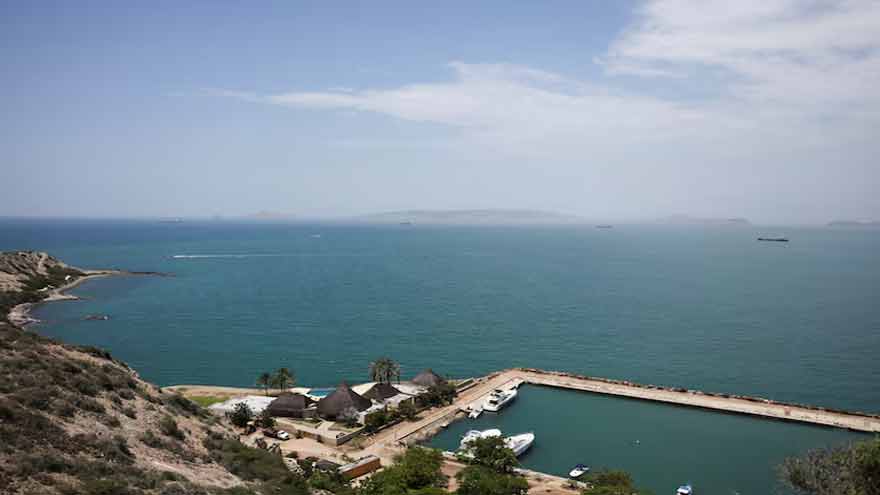
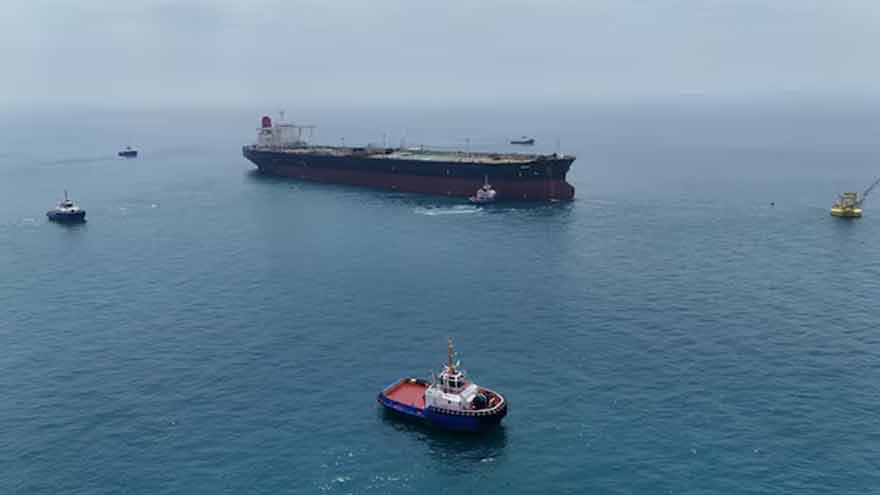
Oil prices climb as supply concerns mount over Strait of Hormuz
“Global oil prices have extended their upward trajectory for a fourth consecutive session, driven by intensifying supply concerns centered on the strategic Strait of Hormuz. Brent crude futures rose by…”
Brent crude futures rose by 26 cents, or 0.29 percent, reaching $91.28 per barrel in early trading, while U.S. West Texas Intermediate crude futures saw a gain of 37 cents, settling at $85.31 per barrel.
This sustained momentum follows a closing session on Tuesday that saw both benchmarks reach their highest levels since late July, as market participants react to the deteriorating diplomatic climate between Washington and Tehran. The primary driver of this market volatility is the persistent uncertainty regarding the status of the Strait of Hormuz, a critical maritime chokepoint for global energy supplies.
Conflicting narratives have emerged from the two nations, with U.S. President Donald Trump asserting on Tuesday that the waterway remains open for international shipping, directly contradicting claims from Iranian officials who have suggested the passage is effectively closed. The expiration of a temporary ceasefire agreement on Monday has further exacerbated tensions, leaving the region in a state of diplomatic stalemate.
"Stay connected with Aman-e-Pakistan for ongoing live reporting and verified investigative updates."
While there have been no reports of fresh military strikes, the lack of progress in negotiations has prompted significant shifts in global logistics and export strategies. Iraq has taken proactive measures to mitigate potential disruptions, with its cabinet approving new mechanisms for exporting crude oil through specialized international and local companies.
According to a government statement, these arrangements, which involve utilizing multiple export outlets to bypass the Strait of Hormuz, are set to commence on September 1 and will remain in effect for an initial three-month period. The impact of the regional instability is already being felt in the shipping industry, where major players are altering their operational routes.
Three industry executives, along with tanker trackers and ship brokers, have confirmed that two prominent Chinese shipping firms have ceased sending oil tankers through both the Strait of Hormuz and the Bab al-Mandeb strait. These companies are now opting to collect oil cargoes from locations outside the Gulf to avoid the risks associated with the ongoing conflict.
Market analysts are also closely monitoring domestic inventory data in the United States to gauge the broader supply-demand balance. While gasoline stocks reportedly rose last week, market sources citing data from the American Petroleum Institute indicated a decline in crude oil and distillate inventories.
Official figures from the U.S. Energy Information Administration are expected to provide further clarity, with analysts forecasting a draw of approximately 600,000 barrels in crude stocks for the week ending August 14. As the diplomatic impasse continues, the energy market remains highly sensitive to any developments that could threaten the flow of oil through these vital maritime corridors.
The combination of logistical rerouting by major shipping entities and the uncertainty surrounding the diplomatic future of the region continues to provide a floor for oil prices, reflecting the high stakes involved in the current geopolitical standoff.
Investors remain cautious, waiting for definitive signals on whether the current tensions will escalate further or if a new framework for regional stability can be established to ensure the security of global energy transit routes.
Written by Sara Ali
Aman-e-Pakistan Senior Journalist & Bureau Reporter
Continue Reading: More in Business
Swipe or click arrows to explore Business desk coverage